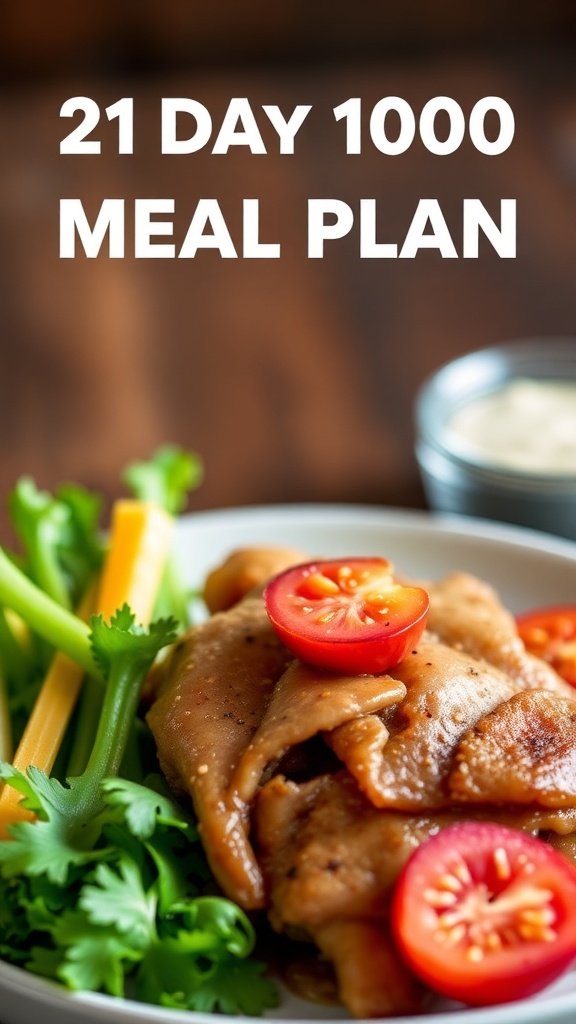





Exploring the Benefits of a 21 Day 1000 Calorie Meal Plan for Fast Weight Loss
Are you eager to shed some pounds quickly? A 21-day, 1000 calorie meal plan might be the solution you’ve been searching for. This approach can help you achieve fast weight loss while still providing your body with the essential nutrients it needs. Let’s explore how this meal plan works and the benefits it offers.
The Basics of a 21-Day 1000 Calorie Meal Plan
This meal plan is designed to create a calorie deficit, making your body burn stored fat for energy. Over the course of 21 days, you will consume an average of 1000 calories per day. This is significantly less than the daily intake for most adults, which typically ranges from 1600 to 2400 calories. By lowering your intake, you promote weight loss effectively and quickly.
Benefits of Following a 21-Day 1000 Calorie Meal Plan
- Quick Results: One of the most enticing aspects is the rapid weight loss it offers. Many people notice significant changes in their bodies within just weeks.
- Structured Eating: The meal plan provides a clear structure to your eating habits. Knowing what to eat and when helps eliminate mindless snacking and unhealthy choices.
- Increased Awareness of Food Choices: By carefully selecting meals, you become more mindful of your food choices. This can lead to better eating habits long-term.
- Detoxification: Many of the foods in this meal plan are nutritious and promote overall health. They help detoxify your body, making you feel lighter and more energetic.
- Simplified Meal Preparation: Preparing a limited number of meals simplifies your cooking process. This saves time, effort, and stress, making it easier to stick to the plan.
What to Expect When Following the Plan
When you embark on this 21-day journey, there are a few things you can expect. First, you may experience some initial fatigue or cravings as your body adjusts to a lower calorie intake. This is normal and usually subsides within a few days. Staying hydrated and incorporating small amounts of healthy snacks, like fruits or nuts, can help ease the transition.
As you progress, you’ll likely notice increased energy levels and improved mood. Regular meals filled with nutrients will keep you feeling satisfied. Additionally, many people report improved digestion and better sleep patterns, further supporting your weight loss effort.
How to Purchase a 21-Day 1000 Calorie Meal Plan
If you’re ready to dive in, you may be wondering where to buy a 21-day 1000 calorie meal plan. Several resources are available, including online platforms, health food stores, and meal prep services. When choosing, look for plans that provide detailed meal guides as well as shopping lists to make your experience seamless.
Before committing, check reviews or ask for recommendations. It’s crucial to find a plan that resonates with your dietary preferences and lifestyle. It’s also advisable to consult with a healthcare provider to ensure that this meal plan is suitable for you, especially if you have any pre-existing health conditions.
Tips for Success
- Stay Hydrated: Drink plenty of water throughout the day to support your body and curb hunger.
- Keep a Journal: Documenting your meals and feelings can help you stay accountable and recognize patterns.
- Stay Active: Incorporate light exercises, such as walking or yoga, to enhance your weight loss results.
- Seek Support: Whether it’s friends or online communities, having support during your journey can keep you motivated.
A 21-day, 1000 calorie meal plan can be an effective strategy for those who want fast weight loss. With commitment and readiness, you can transform your eating habits and achieve remarkable results. This journey could lead you to not just short-term success, but long-lasting positive change in your lifestyle.
Tips for Successfully Implementing a Low-Calorie Diet while Maintaining Nutritional Balance
Embarking on a low-calorie diet requires careful planning and a thoughtful approach to maintain nutritional balance. Here are some effective tips to guide you through this process, ensuring you stay healthy while cutting calories.
Understand Your Daily Caloric Needs
Before starting any diet, it is crucial to understand how many calories your body needs each day. You can use online calculators or consult a dietitian to determine your Basal Metabolic Rate (BMR) and Total Daily Energy Expenditure (TDEE). This will help you set realistic calorie limits without compromising your health.
Prioritize Nutrient-Dense Foods
When reducing caloric intake, focus on foods that are high in nutrients but low in calories. Including a variety of these foods in your diet helps ensure you get the vitamins and minerals your body needs. Consider the following types of foods:

- Fruits and vegetables: These are low in calories and high in fiber, keeping you full longer.
- Lean proteins: Incorporate skinless chicken, fish, tofu, and legumes to maintain muscle while losing weight.
- Whole grains: Foods like quinoa, brown rice, and whole wheat bread can help provide energy and reduce hunger.
Keep Track of What You Eat
Monitoring your food intake is vital. Use a food diary or smartphone apps to log your meals, which helps you stay accountable. By keeping track, you can identify areas for improvement and ensure you’re meeting your calorie goals while maintaining nutritional balance.
Practice Portion Control
Portion sizes can often be misleading, leading to overeating even healthy foods. To manage this, you can:
- Use smaller plates and bowls to help control portion sizes visually.
- Measure your food using cups and spoons, especially for higher-calorie ingredients.
- Read food labels to understand serving sizes and calories packed in each item.
Plan Balanced Meals
Balanced meals should include a mix of carbohydrates, proteins, and fats. Here’s how to create balanced meals on a low-calorie diet:
- Start with a base of non-starchy vegetables to add bulk with minimal calories.
- Include a source of lean protein to enhance satiety.
- Add healthy fats in moderation, like avocados or nuts, to keep your meals satisfying.
Stay Hydrated
Drinking water plays a key role in any diet. It helps you feel full and can reduce hunger pangs. Aim for at least eight 8-ounce glasses of water per day. You can also include:
- Herbal teas, which can be hydrating and comforting.
- Infused waters with fruits and herbs for added flavor without calories.
Include Snacks Wisely
Snacking doesn’t have to be unhealthy. Choose nutritious snacks that fit within your calorie budget. Here are some great options:
- Veggie sticks with hummus or salsa.
- Greek yogurt with berries for protein and antioxidants.
- A handful of nuts for a dose of healthy fats.
Stay Mindful of Liquid Calories
Beverages often contain hidden calories that can add up quickly. Avoid sugary drinks and excessive alcohol. Instead, opt for:
- Water, flavored with lemon or cucumber.
- Black coffee or tea, which are low in calories.
Be Patient and Adjust Accordingly
Weight loss takes time, and finding the right balance may require adjustments to your diet. Listen to your body. If you feel excessively hungry or tired, you may need to re-evaluate your calorie intake and nutritional choices.
Implementing these tips can simplify the process of sticking to a low-calorie diet while ensuring you remain nourished. Always remember that healthy weight loss is a gradual process, and focusing on nutrient-rich foods can make all the difference in your journey.
Conclusion
Embracing a 21-day, 1000-calorie meal plan can be an effective strategy for those seeking rapid weight loss. This approach offers numerous benefits, including quick results that can boost motivation and confidence. It can help jumpstart healthier eating habits and provide a structured way to reduce calorie intake. However, successful implementation goes beyond numbers on a scale.
Maintaining nutritional balance while following a low-calorie diet is crucial for overall well-being. Choosing nutrient-dense foods ensures your body receives the vitamins and minerals it needs, even with reduced caloric intake. a variety of fruits, vegetables, lean proteins, and whole grains allows for a satisfying meal plan that helps stave off hunger, ensuring you feel full and energized throughout the day.
Staying committed to this eating plan requires planning and preparation. Meal prepping can significantly enhance success, making it easier to stick to your calorie goals. It also helps avoid the temptation to grab unhealthy snacks or fast food when you’re hungry. Remember, it’s essential to listen to your body and adjust as needed, whether that means modifying portion sizes or incorporating more physical activity.
Ultimately, while a 21-day, 1000-calorie meal plan for fast weight loss offers a clear framework, the journey is personal. It’s about finding what works best for you while prioritizing health and well-being. This strategy, combined with mindful choices and habits, can lead to not only short-term results but also pave the way for sustainable long-term health improvements.