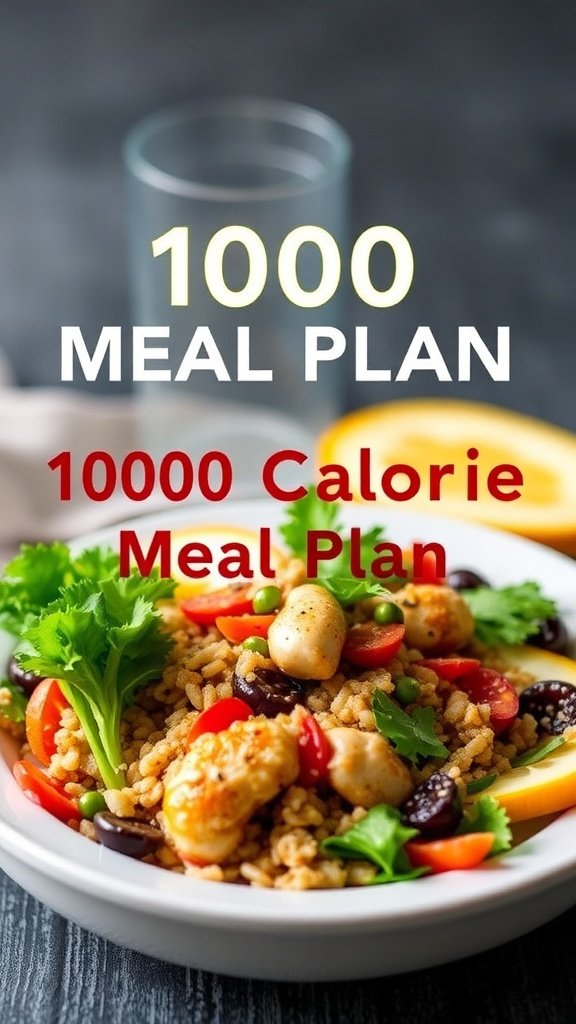






Exploring the Benefits of a 30 Day 1000 Calorie Meal Plan for Fast Weight Loss
Many people are on a quest for fast weight loss, and one popular option is a 30-day meal plan based on a 1000-calorie diet. This plan can be an effective tool for those looking to shed pounds quickly. Below, we explore the benefits of this specific approach and how it may fit into your weight loss goals.
First, one immediate benefit of a 30-day, 1000-calorie meal plan is the simplicity it brings. With set calorie and meal limits, you can focus on what you eat without the stress of counting every single calorie each day. This structured plan eliminates guesswork, making it easier to stick to your weight loss target.
Another significant advantage is the potential for quick results. When you consume fewer calories than your body needs, it taps into stored fat, leading to faster weight reduction. Many individuals experience noticeable changes in their body weight within the first few weeks of adhering to this meal plan. This rapid feedback can provide motivation, encouraging you to continue your journey towards achieving your ideal physique.
Moreover, a 30-day meal plan provides an opportunity to develop healthier eating habits. As you adhere to this regimented lifestyle, you can identify foods that nourish your body while avoiding those that contribute to unhealthy snacking. Emphasizing whole, nutrient-dense foods, such as fruits, vegetables, lean proteins, and whole grains, helps you feel satisfied, reducing cravings for unhealthy options.
Here you may find a simple overview of the key benefits:
- Simplicity: Clearly defined meals and calorie limits.
- Rapid weight loss: Noticeable changes in body weight.
- Healthier habits: Learn to choose nutritious foods.
- Accountability: A structured plan helps keep you on track.
The meal plan can also enhance your awareness about portion control. Understanding how much you eat is crucial for long-term weight management. With a focus on 1000 calories, you learn to make better food choices, which can lead to a lifetime of healthier eating habits.
However, it’s essential to approach this plan thoughtfully. It is important to ensure you are getting essential nutrients while maintaining such a low-calorie intake. If you decide to buy a meal plan, make sure it includes a diverse range of foods that provide necessary vitamins and minerals. Otherwise, it could lead to deficiencies over time.
On that note, you should consider whether or not this meal plan suits your lifestyle and dietary preferences. Some people may struggle with the limitations of a 1000-calorie diet, while others may thrive during the challenge. It’s vital to listen to your body and adjust according to your individual needs.
Physical activity into your routine can amplify the effectiveness of a 30-day, 1000-calorie meal plan. When combined with exercise, the weight loss effects can be enhanced, making it easier to see changes. Even moderate exercise, such as walking or yoga, can boost your metabolism and improve your overall well-being while on this plan.
When purchasing a meal plan, look for one tailored specifically for your needs. Many options are available online, but it is crucial to select one that is well-reviewed and backed by nutritional experts. This ensures that you’ll not only lose weight but also support your body’s health through proper nutrition.

A 30-day 1000-calorie meal plan can be an effective strategy for fast weight loss. Offering simplicity, rapid results, and better habits, it encourages individuals to focus on nourishing their bodies. Remember to assess your own needs and consult healthcare professionals to ensure a safe and healthy journey.
Tips for Successfully Sticking to a Low-Calorie Meal Plan
Sticking to a low-calorie meal plan can be challenging, but with the right strategies, you can make it a sustainable lifestyle choice. Here are some practical tips to help you adhere to your low-calorie goals while enjoying your food journey.
Plan Your Meals
Meal planning is essential for staying on track. By planning your meals for the week, you can ensure you have balanced options ready, reducing impulsive eating. You might follow these steps:
- Set a day: Choose one day of the week to plan your meals.
- Create a shopping list: Write down all the ingredients you’ll need and stick to it during your grocery run.
- Batch cook: Prepare some meals in batches to save time and make sticking to your plan easier.
Choose Wholesome Foods
Focus on incorporating whole and nutrient-dense foods into your diet. This means selecting options like:
- Fruits and vegetables: These are low in calories but high in vitamins, minerals, and fiber.
- Lean proteins: Chicken breast, fish, beans, and tofu are excellent sources that can help keep you full longer.
- Whole grains: Foods like quinoa, brown rice, and whole oats provide essential nutrients and energy.
The more wholesome your food choices, the more likely you will feel satisfied while sticking to your calorie target.
Stay Hydrated
Drinking water is vital for your overall health and can also help you feel full. Sometimes, we confuse thirst with hunger, leading to unnecessary snacking. Aim to:
- Drink water before meals: This can help control your appetite.
- Opt for herbal teas: These can be a great way to increase hydration without adding calories.
- Carry a water bottle: Keep water accessible to remind yourself to drink throughout the day.
Practice Mindful Eating
Engaging in mindful eating can significantly improve your ability to stick to a low-calorie meal plan. Here’s how you can integrate it into your daily routine:
- Slow down: Take your time when eating; it takes time for your brain to realize you’re full.
- Avoid distractions: Eating while watching TV or scrolling your phone can lead to overeating.
- Listen to your body: Pay attention to hunger cues and stop eating when you’re satisfied, not stuffed.
Keep Healthy Snacks on Hand
Even on a low-calorie meal plan, you might feel the need to snack. Having healthy snacks readily available can help you make better choices. Consider:
- Vegetable sticks with hummus.
- Greek yogurt sprinkled with berries.
- A handful of nuts for a protein boost.
By satisfying your hunger with nutritious options, you may find it easier to stick to your calorie goal.
Track Your Progress
Monitoring your intake can assist in keeping you accountable. You can use apps or journals to log your meals and snacks, providing insights into your eating patterns. Here are some benefits of tracking:
- Understand your habits: You can identify when you are most likely to stray from your plan.
- Celebrate milestones: Track small victories, like sticking to your calorie limit for a week.
- Adjust as necessary: If you’re not seeing results, you can tweak your meal plan accordingly.
Stay Motivated
Finding ways to stay motivated enhances your commitment to a low-calorie meal plan. Here are some ideas to keep your spirits high:
- Set realistic goals: Aim for gradual changes that can be maintained long-term.
- Join a community: Engage with groups online or in-person who share similar goals.
- Reward yourself: Treat yourself to non-food rewards when you achieve your milestones.
By following these tips, adhering to a low-calorie meal plan can become a more manageable and rewarding experience. Remember, it’s all about finding what works best for you and staying committed to your health goals.
Conclusion
Embarking on a 30-day 1000 calorie meal plan can be a transformative journey for those seeking fast weight loss. The benefits of such a plan extend beyond just shedding pounds; they can include improved energy levels, better digestion, and enhanced mental clarity. By following a well-structured meal plan, you empower yourself to make healthier food choices, which in turn supports sustainable weight loss.
Sticking to a low-calorie meal plan can be challenging, but with the right strategies in place, you can increase your chances of success. Setting clear goals and tracking your progress helps to keep you motivated. Don’t hesitate to get creative in the kitchen; experimenting with different low-calorie recipes can prevent monotony and make your meals enjoyable. Additionally, having a support system, whether through friends, family, or online communities, can provide you with encouragement and accountability.
Remember, every individual is different, and what works for one person may not work for another. It’s essential to listen to your body and adjust your plan as needed. Always prioritize a balanced intake of nutrients to ensure you’re not only losing weight but also maintaining your health. By committing to this 30-day journey, you can reshape not only your body but also your relationship with food, setting the stage for a healthier lifestyle moving forward. Embrace the process, celebrate your successes, and enjoy the progress on your path to a healthier you.