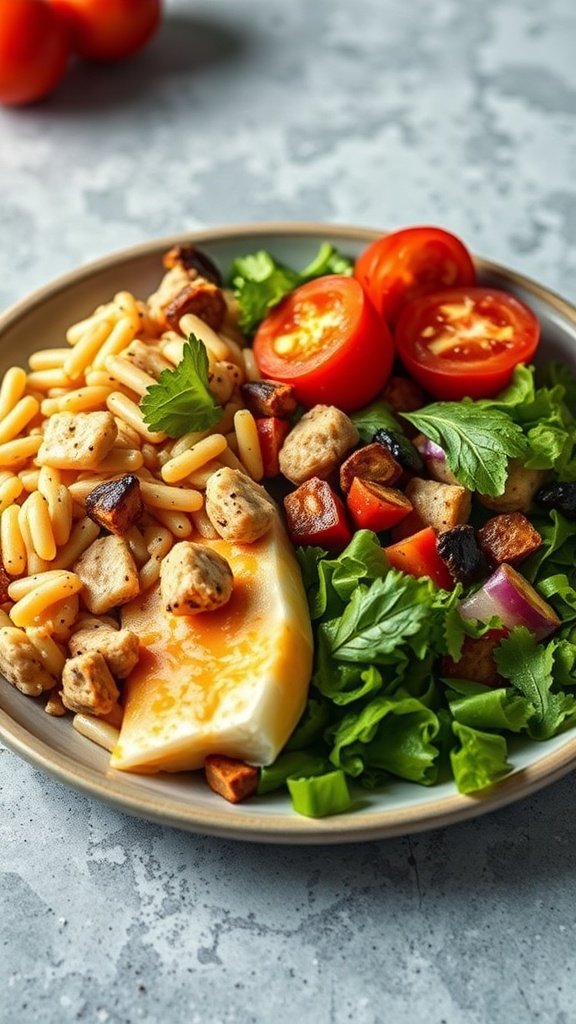





Creating Your Own DASH Diet Meal Plan: A Step-by-Step Guide
The DASH diet (Dietary Approaches to Stop Hypertension) is more than just a meal plan; it’s a lifestyle choice that promotes heart health. If you want to lower your blood pressure and improve overall health, creating your own DASH diet meal plan can be an empowering step. Follow this step-by-step guide to design a personalized plan that fits your tastes and lifestyle.
Understanding the DASH Diet
The DASH diet emphasizes foods rich in nutrients such as potassium, calcium, and magnesium while limiting salt, sugar, and saturated fats. It’s about balancing your plate with whole grains, fruits, vegetables, lean proteins, and healthy fats.
Step 1: Set Your Goals
Determine what you want to achieve by following the DASH diet. Are you looking to lower your blood pressure, lose weight, or simply eat healthier? Write down your specific goals. This will help tailor your meal plan to meet those objectives.
Step 2: Assess Your Current Eating Habits
Take a close look at what you typically eat. Keep a food journal for a week to log your meals and snacks. Note down portions and any unhealthy choices, like high-sodium snacks or sugary drinks. Understanding your current habits is crucial for creating an effective plan.
Step 3: Choose Your Food Groups
The DASH diet focuses on several food groups. Each plays a vital role in your meal plan:
- Fruits: Aim for 4-5 servings a day. Think bananas, apples, berries, and oranges.
- Vegetables: Plan for 4-5 servings daily. Include leafy greens, carrots, bell peppers, and broccoli.
- Whole Grains: Allow for 6-8 servings per day. Choose brown rice, quinoa, whole wheat bread, and oatmeal.
- Lean Proteins: Include 2 or fewer servings a day of lean meats, poultry, fish, tofu, legumes, or low-fat dairy.
- Nuts and Seeds: Limit to 4-5 servings per week. Almonds, walnuts, and chia seeds are excellent choices.
- Fats: Use healthy fats in moderation, such as olive oil and avocado. Limit saturated fats.
- Sugar and Salt: Minimize added sugars and sodium. Opt for herbs and spices to season your food instead.
Step 4: Meal Planning
With your food groups in mind, start planning your meals:
- Breakfast: Consider oatmeal topped with berries or scrambled eggs with spinach.
- Lunch: Think about a chicken salad with mixed greens, cherry tomatoes, and a vinaigrette.
- Dinner: Go for grilled salmon with quinoa and steamed broccoli.
- Snacks: Reach for sliced veggies, low-fat yogurt, or a handful of nuts.
Try to incorporate variety to keep meals enjoyable. This ensures you remain motivated and satisfied with your diet.
Step 5: Prepare Your Grocery List
Once your meals are planned, create a grocery list based on your selections. Organize your list by food groups for easier shopping. Stick to the list to avoid impulse buys, especially unhealthy snacks that may tempt you.
Step 6: Meal Prep
Meal prepping can save time and help you stick to your plan. Spend a few hours on the weekend preparing ingredients or cooking meals in batches. Store them in containers for easy access throughout the week. This can also help you avoid last-minute unhealthy choices.
Step 7: Monitor Your Progress
As you follow your DASH diet meal plan, keep track of how you feel and any changes in your health. Note improvements in your energy levels, blood pressure, or overall mood. Adjust your meal plan as needed to continue progressing toward your goals.
Tips for Success
- Stay hydrated with plenty of water.
- Experiment with new recipes to keep things interesting.
- Involve family and friends for support and shared meals.
- Stay consistent, but allow yourself occasional treats.
Creating your own DASH diet meal plan can be an enjoyable journey towards better health. By following these steps, you can develop a sustainable and delicious way to manage your dietary needs while savoring every bite.
The Health Benefits of Adopting the DASH Diet Lifestyle
The DASH diet, which stands for Dietary Approaches to Stop Hypertension, is not just a meal plan but a holistic lifestyle that focuses on nurturing your health. Following this plan can lead to numerous health benefits, especially for those looking to manage hypertension and improve overall well-being.
By adopting the DASH diet, you’re encouraged to consume a variety of foods rich in essential nutrients. These include fruits, vegetables, whole grains, lean proteins, and healthy fats. Understanding the components that make the DASH diet successful can better equip you for making long-term changes to your eating habits.
Lower Blood Pressure
One of the most significant benefits of the DASH diet is its ability to lower blood pressure. The focus on potassium, magnesium, and calcium-rich foods helps manage hypertension. Foods such as bananas, leafy greens, and dairy products are excellent sources of these nutrients.
Weight Management
Maintaining a healthy weight is crucial for overall health. The DASH diet promotes portion control and encourages eating whole, unprocessed foods. By doing so, you may find it easier to shed excess pounds or maintain a healthy weight. A structured meal plan can help you create a calorie deficit without feeling deprived.
Heart Health
The DASH diet is heart-friendly. The emphasis on whole grains, fruits, and vegetables contributes to lower cholesterol levels. It also helps reduce inflammation and improves overall cardiovascular health. By replacing unhealthy fats with healthier options, like nuts and seeds, you promote better heart function.
Improved Nutritional Intake
The DASH diet encourages a balanced approach to eating, leading to improved nutritional intake. You’ll consume ample vitamins and minerals essential for your body. Here are some of the crucial components:
- High Fiber: Supports digestive health and keeps you full longer.
- Low Sodium: Helps in managing blood pressure, which is vital for long-term heart health.
- Lean Proteins: Provide the necessary building blocks for tissues and muscles without excess fat.
- Healthy Fats: Support brain health and help in nutrient absorption.
Reduction of Chronic Disease Risk
Following the DASH diet can help lower your risk of developing chronic diseases. It is linked to reducing the chances of stroke, diabetes, and certain cancers. By emphasizing whole foods, the diet helps you manage your blood sugar levels and improves your body’s response to insulin.
Enhanced Mood and Mental Health
A balanced diet plays a significant role in mental health. Consuming nutrient-dense foods can enhance your mood and cognitive functions. The DASH diet provides a variety of foods that fuel your brain and can help alleviate feelings of anxiety and depression. Omega-3 fatty acids found in fish and flaxseed are particularly beneficial for brain health.
How to Get Started on the DASH Diet
Making a change can feel overwhelming, but starting with the DASH diet can be approachable. Here’s how you can begin:
- Plan your meals: Start by creating a weekly meal plan featuring plenty of fruits and vegetables.
- Shop the perimeter: When grocery shopping, focus on the edges of the store where fresh produce and whole foods are usually located.
- Cook at home: Preparing meals yourself allows you to control the ingredients and portions.
The DASH diet is not just a temporary fix; it’s a sustainable lifestyle choice. It emphasizes making healthy eating enjoyable and practical. By adopting this way of living, you’re on the path to experiencing not only physical health benefits but also mental and emotional well-being.
Remember, it’s important to consult with a healthcare professional before making significant changes to your diet, especially if you have pre-existing health conditions. A well-executed DASH diet can truly be transformative for your health.
Conclusion
Embracing the DASH diet can lead to significant improvements in your health and well-being. By creating your own personalized meal plan, you have the flexibility to incorporate foods you enjoy while focusing on nutritious choices. This step-by-step guide has equipped you with the tools to understand portion sizes, diversify your meals, and ensure a well-rounded intake of essential nutrients.
The DASH diet is not just about food; it promotes a positive lifestyle shift that encourages physical activity and mindfulness. The numerous health benefits, including lowering blood pressure, reducing heart disease risk, and fostering healthy weight management, make it a worthwhile commitment.
As you embark on your DASH diet journey, remember that it’s about progress, not perfection. Gradually integrate these eating habits into your daily life, and let your taste buds explore the vibrant, wholesome flavors that the diet offers. With time, you might find that making healthier choices becomes second nature.
You’re not just following a diet; you’re adopting a healthier lifestyle that benefits not only you but also your loved ones. Share your meals, experiment with new recipes, and engage your family in the process. Making it a collective journey can enhance motivation and support. Embrace the DASH diet, and take pride in nurturing your body and mind with every delicious meal you create. Your health is the most valuable asset—invest in it wisely!