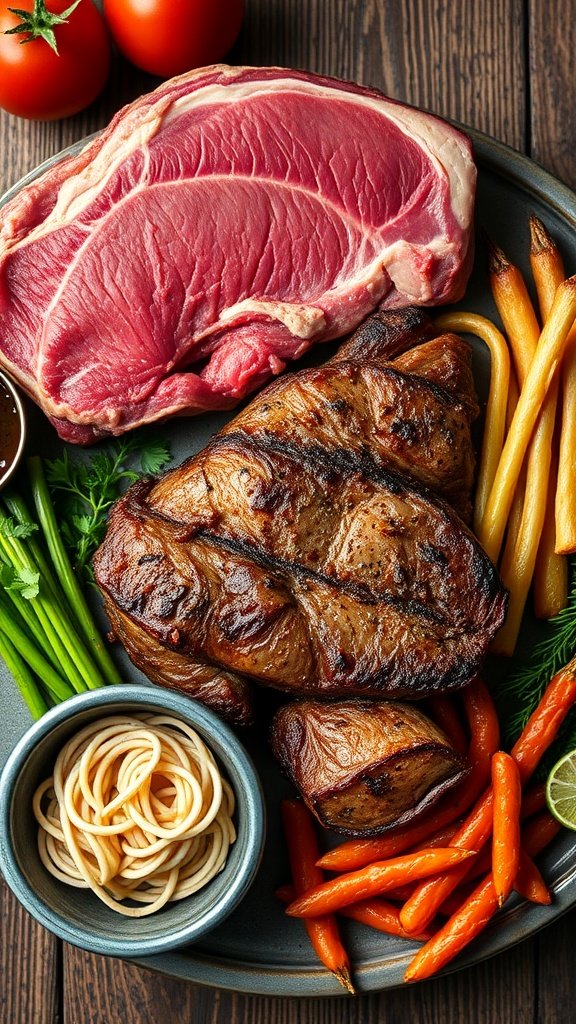






Crafting a Carnivore Diet Meal Plan for Beginners
The carnivore diet has gained traction as a unique way of eating that focuses entirely on animal products. For beginners, crafting a meal plan can seem overwhelming, but with the right guidance, it can become simple and enjoyable. Whether you’re curious about the health benefits or the flavorful recipes, this guide is here to help you get started on your journey.
Understanding the Basics of the Carnivore Diet
The carnivore diet is straightforward: you eat meat, fish, animal products, and limited animal-derived foods. This means no fruits, vegetables, grains, or processed foods. The core idea is to obtain all your nutrients from animal sources. Many followers report improved energy, better digestion, and various health benefits, making it an attractive option for those looking to overhaul their diets.
Essentials of a Beginner’s Carnivore Meal Plan
To create an effective meal plan, you’ll want to include a variety of animal-based foods to ensure you’re getting essential nutrients. Here’s what to consider:
- Meats: Include beef (steaks, ground beef, roasts), pork, lamb, and poultry (chicken, turkey).
- Fish and Seafood: Opt for fatty fish like salmon and mackerel, as well as shellfish.
- Eggs: They are a versatile and nutritious option, providing you with protein and fats.
- Dairy: If tolerated, incorporate high-fat dairy products like cheese, cream, and butter.
Sample Meal Plan for Beginners
Here’s a simple week-long plan that highlights easy-to-make, carnivore-friendly meals:
- Day 1:
- Breakfast: Scrambled eggs cooked in butter
- Lunch: Grilled chicken thighs
- Dinner: Ribeye steak
- Snack: Beef jerky
- Day 2:
- Breakfast: Hard-boiled eggs
- Lunch: Pork chops
- Dinner: Baked salmon
- Snack: Cheese slices
- Day 3:
- Breakfast: Omelet with cheese
- Lunch: Ground beef with bone marrow
- Dinner: Lamb shanks
- Snack: Slices of salami
- Day 4:
- Breakfast: Egg muffins with sausage
- Lunch: Tuna salad (omit veggies; use mayo if desired)
- Dinner: Grilled pork ribs
- Snack: Hard cheese
- Day 5:
- Breakfast: Fried eggs
- Lunch: Chicken wings
- Dinner: Prime rib
- Snack: Pig skin (cracklings)
- Day 6:
- Breakfast: Cheese omelet
- Lunch: Roast beef
- Dinner: Grilled shrimp with butter
- Snack: A slice of hard goat cheese
- Day 7:
- Breakfast: Square sausage links
- Lunch: Beef brisket
- Dinner: Whole roasted chicken
- Snack: Deviled eggs
Tips for Success on the Carnivore Diet
As you start your journey, here are a few tips to maximize your success:
- Stay Hydrated: Drink plenty of water throughout the day.
- Listen to Your Body: Pay attention to how different foods make you feel.
- Be Prepared: Meal prep in advance to avoid grabbing non-carnivore foods when you’re hungry.
- Vary Your Cuts: Different cuts of meat provide different flavors and nutrients.
Embracing a carnivore diet meal plan can be a rewarding venture. As a beginner, start by following this guide, but feel free to customize your meals as needed. Enjoy the journey of discovering new tastes and flavors while improving your overall well-being!
Health Benefits and Challenges of Following a Carnivore Diet
The carnivore diet, which focuses exclusively on animal-based foods, has gained significant attention in recent years. While many enthusiasts claim remarkable health benefits, there are also notable challenges associated with adhering to this strict dietary regimen. Understanding these aspects can help you make informed decisions about whether this diet is the right fit for your lifestyle.
Health Benefits of the Carnivore Diet
One of the most discussed benefits of the carnivore diet is its simplicity. By eliminating carbohydrates and plant-based foods, you can streamline meal preparation. Here are some key health benefits that followers often report:
- Weight Loss: Many people experience weight loss due to the high protein content and minimal carbohydrate intake. The body shifts to burning fat for energy, which can lead to noticeable weight reduction.
- Improved Mental Clarity: Supporters claim that the absence of sugars and carbohydrates can lead to enhanced focus and mental clarity. This may result from stable blood sugar levels, which can help prevent energy crashes.
- Reduced Inflammation: Some studies suggest that a diet low in processed foods can help reduce inflammation. Animal products are less likely to include added sugars and preservatives that can contribute to chronic inflammation.
- Enhanced Digestion: For certain individuals, eliminating fibrous plant foods may lead to improved digestion. Some report fewer gastrointestinal issues, such as bloating and discomfort.
- Stable Blood Sugar Levels: By consuming only animal products, blood sugar spikes and crashes can be minimized. This is particularly beneficial for individuals managing conditions like diabetes.
Potential Challenges of the Carnivore Diet
Although the carnivore diet presents several potential benefits, it is essential to consider the challenges as well. Here are some common hurdles individuals may face:
- Nutritional Deficiencies: A strict carnivore diet may lack essential vitamins and minerals found in fruits and vegetables, such as Vitamin C and fiber. Long-term adherence may result in deficiencies if not carefully monitored.
- Diverse Food Options: Following a carnivore diet limits food variety, which can lead to menu fatigue. Enjoying meals becomes less exciting when options are so restricted.
- Social Situations: This diet can make social dining challenging. Many restaurants and gatherings feature various cuisines that may not accommodate carnivore preferences.
- Adjustment Period: Transitioning to a carnivore diet can lead to a period of adjustment. Some may experience flu-like symptoms known as “keto flu,” especially if they are coming from a high-carb diet.
- Cost Considerations: Quality animal products, especially grass-fed and organic varieties, can be expensive. This diet can become costly, which is an important consideration for many individuals.
Making the Most of Your Carnivore Diet
If you decide to try the carnivore diet, it’s essential to do it mindfully. Here are some tips to help you get started:

- Choose Quality Sources: Opt for high-quality meats, such as grass-fed beef, free-range chicken, and wild-caught fish. These options can provide better nutrition than conventionally raised animals.
- Stay Hydrated: Drink plenty of water and consider electrolyte supplementation. Staying hydrated is crucial as your body adjusts to this new way of eating.
- Listen to Your Body: Pay attention to how your body reacts. If you experience excessive discomfort, consult a healthcare professional or consider modifying your approach.
- Track Your Nutrients: Monitor your nutrient intake to avoid deficiencies. You may want to incorporate organ meats, which are nutrient-dense and can help fill in the gaps.
Ultimately, the success of the carnivore diet may depend on individual preferences and health goals. By weighing the pros and cons and taking a thoughtful approach, you can explore whether this unique dietary choice aligns with your lifestyle and needs.
Conclusion
Adopting a carnivore diet meal plan can be an exciting journey, especially for those new to this eating style. As you craft your plan, remember to start simple. Focus on a variety of animal-based foods, including different cuts of meat, organ meats, and eggs to ensure you’re getting a range of nutrients. This approach not only keeps meals interesting but also helps you avoid nutritional deficiencies that can arise when limits are placed on your diet.
The health benefits of a carnivore diet can be significant for many individuals. People often report improvements in energy levels, mental clarity, and digestion, alongside reductions in inflammation. However, it’s important to recognize the challenges that might accompany this diet. You may experience initial discomfort as your body adapts, and you might miss some of your favorite plant-based foods. It’s crucial to listen to your body and remain flexible in your approach.
As you navigate this high-protein lifestyle, consider keeping a food diary to track your reactions and adjustments. This can help you fine-tune your meals and cater to what feels best for you. Remember, every individual’s experience can vary widely with the carnivore diet. Whether you embrace it fully or decide to incorporate some balance, understanding the foundation of a carnivore meal plan equips you with valuable tools for a healthier way of eating. Your journey is personal, and being informed will make all the difference in achieving your health goals.