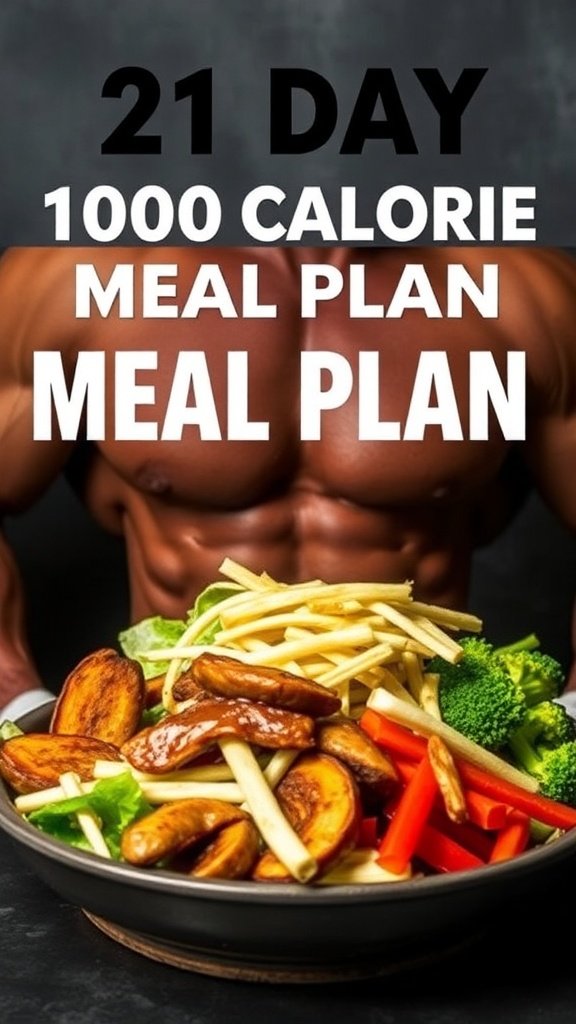





Crafting a 21-Day 1000-Calorie Meal Plan for Muscle Gain: Key Strategies and Tips
Creating a 21-day, 1000-calorie meal plan for muscle gain might seem daunting, but with the right strategies, it can become an achievable goal. The essence of muscle gain lies not only in the quantity of calories consumed but also in the quality of the nutrients you provide your body. Here, we will outline essential components that will help you craft effective meal plans tailored for muscle development.
Understanding Caloric Needs
Before diving into meal planning, it’s vital to comprehend your basal metabolic rate (BMR) and your total daily energy expenditure (TDEE). Calculate how many calories your body requires to maintain weight and then adjust your intake for muscle gain. A deficit may feel counterintuitive, but focusing on high-protein and nutrient-rich foods is key.
Choosing the Right Ingredients
Quality matters when selecting foods to build your 21-day meal plan. Here are crucial food categories you should prioritize:
- Lean Proteins: Chicken, turkey, fish, eggs, and plant-based alternatives like lentils and chickpeas.
- Healthy Fats: Avocados, nuts, seeds, and olive oil play a crucial role in hormone production and muscle recovery.
- Complex Carbs: Quinoa, brown rice, and whole grains provide steady energy for workouts.
- Fruits and Vegetables: Rich in vitamins and minerals, they help boost overall health and recovery.
Meal Timing for Optimal Gains
The timing of your meals can influence your muscle gain process significantly. Here are some tips to enhance your meal timing:
- Pre-Workout Meals: Aim to consume a meal or snack rich in carbohydrates and protein about 30-60 minutes before exercising.
- Post-Workout Nutrition: After your workout, replenish those lost nutrients with a mixture of protein and carbs to kickstart recovery.
- Regular Meal Intervals: Eating every 3-4 hours ensures that your body has a consistent flow of nutrients for muscle maintenance and growth.
Creating Your Meal Plan Structure
A practical meal plan might seem complex, but you can simplify it by creating a template that spans three weeks. Consider repeating similar meals that fit within your caloric limit while varying flavors and textures to keep your diet interesting.
Your daily meal plan could look like this:
- Breakfast: 250 calories
- Mid-Morning Snack: 100 calories
- Lunch: 250 calories
- Afternoon Snack: 100 calories
- Dinner: 300 calories
Sample Meal Ideas
When devising your meals for muscle gain, consider these delicious and nutritious combinations:
- Breakfast: Scrambled eggs with spinach and a slice of whole-grain toast.
- Mid-Morning Snack: A small handful of almonds or a piece of fruit.
- Lunch: Grilled chicken breast with quinoa and steamed broccoli.
- Afternoon Snack: Greek yogurt with a sprinkle of chia seeds.
- Dinner: Baked salmon with sweet potato and asparagus.
Monitoring Progress
To ensure your meal plan is effective, tracking your progress is crucial. Keep a journal to record what you eat, how you feel, and your workout performance. Adjust your calorie intake and meals as necessary based on your results.
Furthermore, consider these strategies for effective tracking:
- Check your weight weekly to gauge muscle gain.
- Take photos to visually track changes in body composition.
- Use fitness apps to log meals and workouts effectively.
Consulting with Professionals
If you’re uncertain about your meal plan, consider reaching out to a nutritionist or dietitian specializing in muscle gain. They can help tailor your 21-day meal plan further to suit your individual needs and goals.
Now that you have a structured approach to building a 21-day, 1000-calorie meal plan for muscle gain, you’ll be on your way to achieving your fitness objectives. It’s crucial to stay dedicated, monitor your progress, and adjust as necessary for optimal results.
The Importance of Nutritional Timing in a 1000-Calorie Meal Plan for Muscle Building
Nutritional timing is a crucial aspect of any successful fitness regimen, especially when following a 1000-calorie meal plan aimed at muscle building. Understanding when to consume specific nutrient types can enhance your workout efficiency and recovery. By optimizing your diet with the right timing, you can maximize muscle gain and minimize fat storage.
One of the primary benefits of nutritional timing is improved energy levels. Consuming carbohydrates before workouts provides the necessary fuel for high-intensity training. Foods like bananas, oats, or even energy bars can supply quick-digesting carbs, ensuring that you have the stamina to push through challenging exercises. Ideally, aim to eat a carbohydrate-rich snack about 30-60 minutes before your workouts.
After you finish exercising, your body enters a recovery phase. Here, your muscles are primed to absorb nutrients for repair and growth. Eating a meal or snack that includes both proteins and carbohydrates within 30 minutes post-workout can significantly enhance recovery. Popular choices include:
- Protein shakes with banana
- Greek yogurt with berries
- Chicken with sweet potato
These foods will not only replenish your glycogen stores but also provide much-needed amino acids to your muscles, facilitating quicker recovery. Keeping track of your intake and ensuring proper timing can make a significant difference in your muscle-building journey.
For those following a 1000-calorie meal plan, it’s essential to distribute your calorie intake effectively throughout the day to fuel your body. This means not just focusing on what you eat, but also how and when you eat it. Aim to consume your calories in a way that complements your exercise schedule and daily activities. Consider breaking your meals and snacks into smaller portions, allowing your body to process nutrients more efficiently.
Many people overlook the importance of hydration in relation to nutritional timing. Staying well-hydrated leads to improved athletic performance and enhances metabolic processes. Drinking water consistently throughout the day—and especially around workout times—can significantly impact how you feel and perform.
To illustrate your daily eating schedule better, an example layout could include:
- Breakfast: A protein smoothie with spinach, a banana, and protein powder.
- Mid-Morning Snack: Greek yogurt with a sprinkle of granola.
- Lunch: Grilled chicken salad with a variety of colorful vegetables and a light dressing.
- Pre-Workout Snack: A piece of fruit or a small energy bar.
- Post-Workout Meal: A recovery shake or a balanced meal with proteins and carbohydrates.
- Dinner: Baked fish with quinoa and steamed vegetables.
Timing your meals closely aligns with natural energy fluctuations throughout the day. For example, consuming lighter foods in the morning can enhance energy levels, while heavier meals can be placed in the evening when your body is winding down. This creates a balance that will support your muscle gain goals effectively.
Monitoring your body’s response to nutritional timing is also vital. Everyone’s needs and schedules differ, so it’s worth observing how your body reacts to different meal times. Staying mindful of how you feel after meals and workouts can guide you in making adjustments that suit your unique patterns better.
As you embark on a muscle-building journey with a structured 1000-calorie meal plan, committing to nutritional timing will serve as a powerful tool. By ensuring you are consuming the right nutrients at strategic times, you can accelerate your muscle gain while maintaining an optimal performance level during workouts. This approach not only helps in achieving fitness goals but also leads to overall well-being.
Conclusion
Creating an effective 21-day 1000-calorie meal plan for muscle gain requires careful planning and a solid understanding of nutritional principles. By focusing on nutrient-dense foods that provide the right balance of proteins, carbohydrates, and healthy fats, you can support muscle growth while adhering to a calorie-restricted diet. lean proteins like chicken, fish, and plant-based options ensures that your body receives the necessary amino acids for muscle recovery and synthesis.
Timing is another critical element of your meal plan. Fueling your body appropriately before and after workouts can significantly enhance your muscle-building efforts. Consuming a balanced meal or snack rich in protein and carbs within the right window—typically within two hours before and after exercise—can maximize your recovery and results. This strategic approach not only supports muscle gain but also helps maintain energy levels during training sessions.
Remember, every individual’s body responds differently to dietary changes, so monitoring your progress and making adjustments is key. Whether you’re aiming for bulking or toning, the foundations of a 1000-calorie meal plan remain the same. Stay committed, and you’ll likely see improvements in your strength and physique. Embrace this journey of muscle gain while keeping your nutrition goals front and center, ensuring that each meal aligns with your plan and helps you reach your overall fitness objectives.