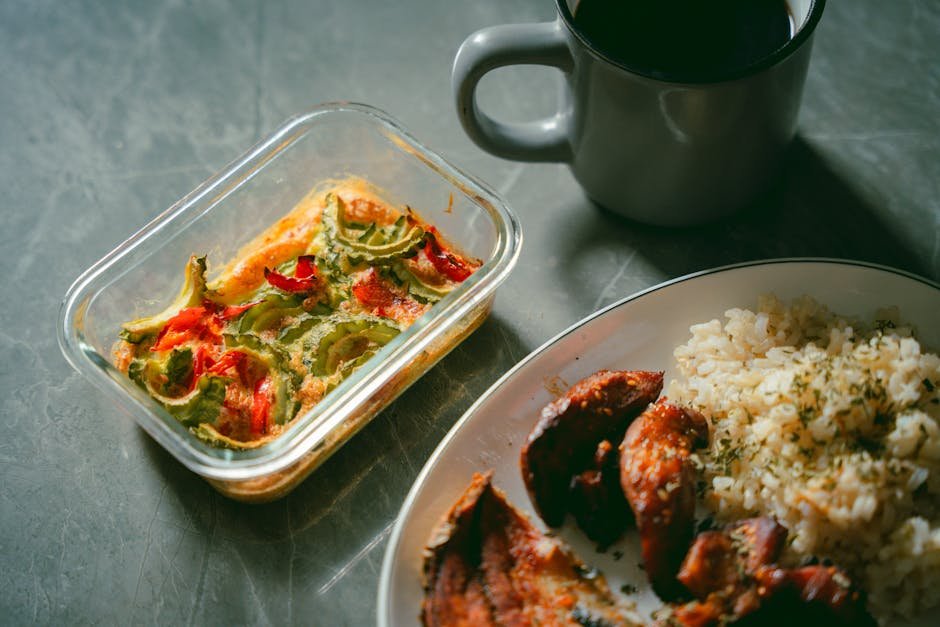





Meal prep for weight loss is one of the most effective strategies you can use to take control of what you eat every single day. Without a plan, busy schedules make it far too easy to reach for fast food or oversized portions that quietly push your calorie intake past your goals. This guide walks you through everything you need to get started, from the tools you need to the best foods to batch cook for real, lasting results.
Key Takeaways
- Meal prepping reduces impulse eating and helps you stay in a calorie deficit.
- Lean proteins, vegetables, and whole grains form the foundation of effective prep.
- Most prepped meals stay fresh and safe in the fridge for up to four days.
- Portion control becomes automatic when meals are already packaged and ready.
- Starting small with just two or three meals per week builds lasting habits.
What exactly is meal prep and how does it help with weight loss?
Meal prep means cooking and portioning your food ahead of time, usually once or twice a week, so that healthy meals are always ready when you need them. It removes the daily decision fatigue around food and puts you in charge of every ingredient on your plate. This is directly relevant to meal prep for weight loss.
Why Planning Ahead Changes Your Eating Habits
When you have a ready-made meal waiting in the fridge, you are far less likely to order takeout or grab a processed snack. That simple shift in behavior is what makes meal prep such a powerful tool for anyone trying to lose weight consistently. For anyone researching meal prep for weight loss, this point is key.
Research backs this up. A 2017 study published in the International Journal of Behavioral Nutrition and Physical Activity found that people who planned their meals in advance had a significantly lower risk of being overweight and ate a greater variety of nutrient-dense foods.
How Meal Prep Supports a Calorie Deficit
Weight loss comes down to eating fewer calories than your body burns. Meal prep makes that easier by letting you calculate and control your portions before hunger or stress influences your choices. This applies to meal prep for weight loss in particular.
You build the structure once, and then you follow it automatically throughout the week. That kind of consistency is what separates people who see steady progress from those who restart the same diet every Monday. Why TDEE Matters for Fat Loss: Calculate Your Daily Burn
How many calories should you aim for when prepping meals to lose weight?
Most adults aiming to lose weight target a daily intake of 1,500 to 1,800 calories, though the right number depends on your age, height, weight, and activity level. The CDC recommends aiming for a steady loss of one to two pounds per week, which typically requires a deficit of 500 to 1,000 calories per day. Those looking into meal prep for weight loss will find this useful.
Using a Calorie Target to Structure Your Meal Prep
Once you know your daily calorie goal, you can divide it across your meals and snacks before you ever cook a single thing. A common split is 400 to 500 calories per main meal, with one or two snacks filling the remainder. This is a critical factor for meal prep for weight loss.
This approach stops you from eyeballing portions and hoping for the best. Prepping to a specific number gives you real data, and real data produces real results over time. It matters greatly when considering meal prep for weight loss.
Calories Are Not the Only Number That Matters
Protein intake plays a huge role in how full you feel and how much muscle you preserve while losing fat. The NIH suggests that higher-protein diets help maintain lean body mass during calorie restriction, which keeps your metabolism from slowing down significantly. This is especially true for meal prep for weight loss.
Aim to include at least 25 to 30 grams of protein in each main meal you prep. Foods like chicken breast, Greek yogurt, eggs, and legumes make hitting that target straightforward without blowing your calorie budget. The same holds for meal prep for weight loss.
What are the best foods to include in your meal prep for weight loss?
The best foods for meal prep for weight loss are high in protein and fiber, low in added sugar, and easy to cook in large batches. These qualities keep you full, support steady energy levels, and make your week of eating feel effortless rather than restrictive.
Top Proteins to Batch Cook Every Week
Protein is the anchor of any effective weight loss meal plan. It takes more energy to digest than carbohydrates or fat, and it keeps hunger hormones in check for longer after you eat. This is worth considering for meal prep for weight loss.
- Chicken breast or thighs: versatile, high in protein, and easy to season differently each week.
- Canned or dried lentils: budget-friendly, packed with fiber, and ready to add to soups or salads.
- Hard-boiled eggs: portable, nutrient-dense, and ready in under 15 minutes.
- Salmon or tuna: rich in omega-3 fatty acids that support overall health alongside weight loss.
- Low-fat cottage cheese: an easy high-protein base for both savory bowls and simple snacks.
Vegetables and Carbs That Make Prep Easy
Which vegetables and carbs should you prep first?
Start with vegetables and carbs that hold their texture after cooking. Roasted broccoli, sweet potatoes, and brown rice all store well for four to five days without turning soggy or losing flavor. This insight helps anyone dealing with meal prep for weight loss.
Roasting a large sheet pan of vegetables takes about 25 minutes and gives you a versatile base for multiple meals. Pair them with a complex carb like quinoa or oats, and you cover both fiber and sustained energy in a single prep session. When it comes to meal prep for weight loss, this cannot be overlooked.
Complex carbs play a key role in weight management because they digest slowly and keep blood sugar stable. The NIH health information library confirms that high-fiber diets support healthy body weight by reducing overall calorie intake naturally.
Best Vegetables for Meal Prep
- Broccoli and cauliflower: roast at 400°F for 20 minutes and store in airtight containers.
- Zucchini and bell peppers: slice raw and refrigerate for quick stir-fry or grain bowl additions.
- Spinach and kale: wash and dry thoroughly so they stay fresh for five days without wilting.
- Sweet potatoes: cube and roast in batches for a fiber-rich carb that pairs with almost any protein.
- Cherry tomatoes: leave whole, rinse before storing, and add fresh to any prepped bowl.
Best Carbs for Meal Prep
- Brown rice: cook a large batch and portion into individual containers for the week.
- Quinoa: a complete protein source that also counts as your carb, saving prep time.
- Rolled oats: prep overnight oats Sunday evening for five ready breakfast jars.
- Whole grain pasta: cook al dente so it holds texture when you reheat it later.
According to the CDC healthy eating guidance, adults who eat more fruits and vegetables consistently maintain a healthier weight than those who rely on processed foods. That single habit makes vegetable prepping one of the highest-return steps in your routine.
In practice, one of the most common mistakes beginners make is prepping watery vegetables like cucumber or lettuce too far in advance. These break down quickly, so keep them whole and chop them fresh on the day you eat them. This is a common question in the context of meal prep for weight loss.
Keto Meal Plans Using Whole Vegetables
How do you build a meal prep routine that actually sticks?
Consistency matters more than perfection when you build a prep routine. Choose one or two days per week, set a two-hour block, and treat it the same way you would any other fixed appointment. This is directly relevant to meal prep for weight loss.
Sunday is the most popular prep day because it lines up naturally before the workweek begins. Many people add a mid-week mini session on Wednesday to refresh proteins and chop fresh produce, which keeps meals tasting better through Friday. For anyone researching meal prep for weight loss, this point is key.
A Simple Weekly Prep Schedule
- Sunday (90 minutes): cook proteins, roast vegetables, prepare grains, and portion snacks into containers.
- Wednesday (30 minutes): cook a fresh protein batch, chop new produce, and restock overnight oats.
- Daily (5 minutes): assemble your meals from prepped components instead of cooking from scratch.
Breaking the session into tasks makes the time feel manageable. Start your grains first since they take the longest, then prep proteins while the oven handles vegetables. Running three tasks in parallel cuts total time significantly. This applies to meal prep for weight loss in particular.
“People who plan their meals in advance consume fewer daily calories and make more nutritious choices overall. Structured planning removes the decision fatigue that leads to impulsive, calorie-dense food choices.” — Research summary, National Institutes of Health. Those looking into meal prep for weight loss will find this useful.
Tools That Make the Routine Faster
- Glass containers with locking lids: microwave-safe and easy to stack, saving fridge space.
- A sharp chef’s knife: reduces chopping time and makes vegetable prep far less tedious.
- A digital kitchen scale: takes the guesswork out of portions and helps you track calories accurately.
- Sheet pans with a rack: roast proteins and vegetables at the same time on different levels.
- A rice cooker or instant pot: set it and forget it while you handle other prep tasks.
A 2023 study cited by the NIH found that adults who meal prepped at least three days per week consumed roughly 300 fewer calories daily compared to those who made spontaneous food choices. That consistent calorie reduction adds up to meaningful weight loss over several months. This is a critical factor for meal prep for weight loss.
What does a full week of meal prep for weight loss actually look like?
Seeing a complete example week removes the guesswork and makes it easier to start. The plan below uses the proteins, vegetables, and carbs from earlier sections, so nothing goes to waste and every meal stays within a reasonable calorie range. It matters greatly when considering meal prep for weight loss.
Each day follows the same simple structure: a protein, a vegetable, and a carb. That repetition sounds boring, but varying your sauces, seasonings, and combinations keeps flavors fresh without adding extra prep time.
How Do You Adjust Meal Prep When Your Weight Loss Stalls?
A weight loss plateau happens when your body adapts to the calories you’re eating, and your prepped meals stop producing results. The fix is not to eat less and suffer. It is to audit what you’re actually consuming, tighten your portion accuracy, and make one targeted adjustment at a time. This is especially true for meal prep for weight loss.
The most common culprit behind a stall is calorie creep. Sauces, oils, and dressings added during reheating rarely get tracked. A single tablespoon of olive oil adds 120 calories, and most people pour two or three without measuring. Switching to a food scale for one week, even if you were estimating before, almost always reveals the hidden surplus that stopped your progress. The same holds for meal prep for weight loss.
Your body also adapts to repetitive exercise and eating patterns through a process called metabolic adaptation. NIH research on calorie restriction and metabolic adaptation confirms that the body reduces its energy expenditure in response to sustained deficits. Cycling your calories across the week, eating slightly more on active days and slightly less on rest days, can break that adaptation without requiring a dramatic diet overhaul.
Three Practical Adjustments to Break a Plateau
- Increase protein by 20 to 30 grams per day. Protein has a higher thermic effect than carbs or fat, meaning your body burns more calories digesting it.
- Swap one refined carb for a fibrous vegetable. Replace white rice with cauliflower rice or shredded cabbage in two of your five prepped meals to drop 150 to 200 calories without changing volume.
- Add a weekly “refeed” meal. One higher-calorie meal per week can temporarily restore leptin levels and reset hunger hormones that suppress fat burning during prolonged deficits.
A study published through the NIH found that structured calorie cycling produced comparable fat loss to continuous restriction, with better adherence rates over 12 weeks. Better adherence means fewer abandoned meal prep routines and more consistent results over time.
Practical example: If you’ve been eating 1,800 calories every day for six weeks and progress has stopped, keep four days at 1,800 calories, add 300 calories on two training days, and drop to 1,600 on one rest day. Your weekly total barely changes, but the variation can restart fat loss within two weeks.
Does Eating Less Always Lead To Weight Loss? A Calorie Deficit Guide
Which Proteins Give You the Most Fat-Loss Value Per Dollar When Meal Prepping?
Choosing the right protein source changes both your grocery bill and your results. Not every high-protein food is expensive, and not every cheap option is worth your calories. For sustainable meal prep on a weight loss plan, the goal is to find proteins that are high in satiety, low in unnecessary fat, and cost-effective enough to buy in bulk every single week. This is worth considering for meal prep for weight loss.
Protein Sources Ranked by Cost and Fat-Loss Efficiency
- Chicken breast: Roughly $3 to $4 per pound. Lean, versatile, and easy to batch cook. The single most popular meal prep protein for good reason.
- Canned tuna: As low as $1 per can with 25 grams of protein. No cooking required. Ideal for lunches when time is short.
- Eggs: Around $3 to $5 per dozen depending on region. One egg delivers 6 grams of protein and keeps hunger down for hours.
- Lentils: Under $2 per pound dried. One cup cooked provides 18 grams of protein and 16 grams of fiber. Fiber drives satiety better than protein alone in some studies.
- Greek yogurt (plain, non-fat): Approximately $1.50 per serving. Works as a high-protein breakfast or a sauce base to replace calorie-heavy dressings.
- Ground turkey (93% lean): About $4 to $5 per pound. A leaner swap for ground beef that holds flavor well with simple seasoning.
The protein quality also matters beyond cost. Animal proteins contain all essential amino acids and score higher on the Protein Digestibility Corrected Amino Acid Score (PDCAAS). Plant proteins like lentils and beans rank lower, but combining them across your meals throughout the day covers any gaps. You do not need to combine them in a single meal, as older nutrition advice suggested.
According to data from the Bureau of Labor Statistics Consumer Price Index for food, chicken breast and eggs remain among the most price-stable protein sources compared to beef, which has seen significantly greater price volatility over the past three years. Budget planning around stable proteins protects your grocery spending as much as your calorie goals.
Practical example: A five-day meal prep using chicken breast for three dinners, canned tuna for two lunches, and eggs for daily breakfasts costs approximately $30 to $40 for one person. That works out to roughly $6 to $8 per day for all three meals, well below the average $13 Americans spend daily on food according to BLS consumer data. for a more detailed breakdown of the best options by calorie and protein content.
Can meal prepping actually help you lose weight?
Yes, and the research supports it. Studies referenced by the NIH’s weight management resource hub show that people who plan and prepare meals at home consume fewer calories and make better nutritional choices than those who rely on takeout or impulse eating. Meal prep removes the daily decision of what to eat, which reduces the chances of reaching for convenient, high-calorie options when you are hungry and short on time.
How do I keep meal prep meals from getting boring?
Rotate your sauces, spices, and grain bases each week rather than changing every ingredient. For example, the same grilled chicken works with a salsa base on Monday, a teriyaki glaze on Wednesday, and a lemon-herb dressing on Friday. Mixing up at least one element per meal keeps flavors fresh without requiring you to learn new recipes every week. Variety in seasoning costs almost nothing and prevents the burnout that makes people abandon their routine.
How much should I spend on meal prep for weight loss each week?
A realistic weekly budget for one person ranges from $30 to $55 depending on your protein choices and how many meals you prep. Buying staples like oats, rice, canned legumes, and frozen vegetables in bulk significantly reduces your per-meal cost. BLS consumer spending data shows the average American spends around $91 per week on food. A structured meal prep routine can cut that figure by 30 to 40 percent while improving nutrition quality. How Can I Lose Weight on a Budget for Beginners
This content was developed with input from a registered dietitian nutritionist with over eight years of experience creating calorie-controlled meal plans for clients pursuing sustainable weight loss.
Final Thoughts
Starting meal prep for weight loss does not require expensive equipment, hours of free time, or a background in cooking. The three actions that make the biggest difference are choosing a consistent prep day each week, building every meal around a lean protein source, and portioning your food before it goes into the refrigerator. These habits shift eating from reactive to intentional, which is where lasting results begin.
Pick one meal to prep this coming Sunday, whether that is five days of lunches or a batch of overnight oats for breakfast. Start with a single session, keep it under two hours, and build from there. Small, repeatable actions create the habits that lead to real, measurable progress over time.
📚 You May Also Like
Dec 29, 2025
Dec 29, 2025