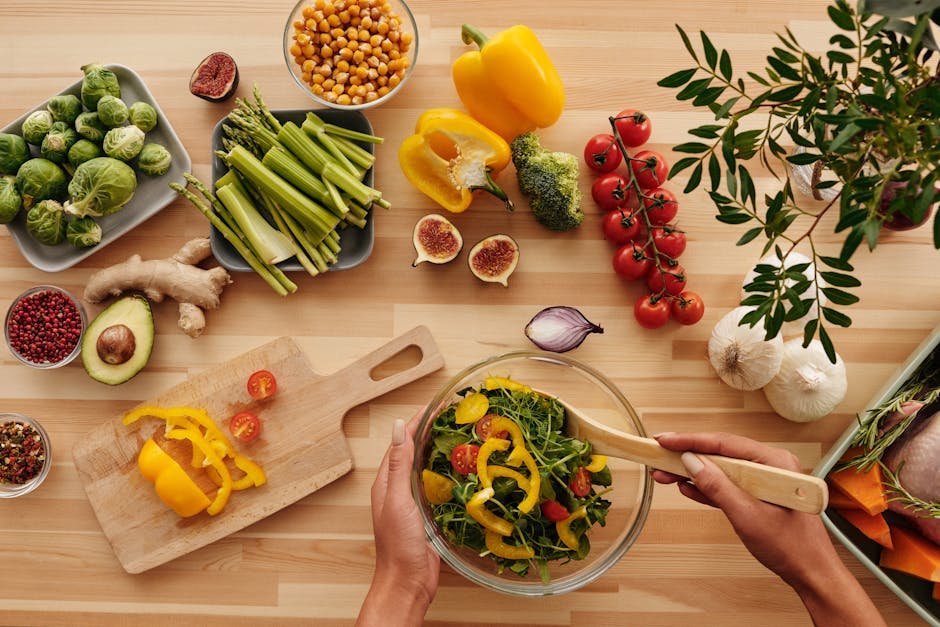





Starting a keto diet for beginners can feel overwhelming when you’re staring at conflicting advice, confusing macros, and a grocery list that looks nothing like your usual weekly shop. Most people give up in the first week because they don’t know what to eat, what to avoid, or why they feel so exhausted. This guide breaks everything down into clear, simple steps so you can start confidently and actually see results.
Key Takeaways
- Keto limits carbs to around 20 to 50 grams per day.
- Your body burns fat for fuel instead of glucose on keto.
- Most beginners reach ketosis within two to four days.
- The “keto flu” is temporary and manageable with electrolytes.
- Always consult a doctor before starting any new diet plan.
What Exactly Is the Keto Diet?
The ketogenic diet is a high-fat, very low-carbohydrate eating plan that shifts your body from burning glucose to burning fat for energy. This metabolic state is called ketosis. It forms the foundation of everything you’ll do as a beginner on keto. This is directly relevant to keto diet for beginners.
When you cut carbohydrates dramatically, your liver starts converting fat into molecules called ketones. Your body and brain then use those ketones as their primary fuel source. This is the core biology behind why so many people report faster fat loss on a ketogenic plan compared to a standard low-calorie diet. For anyone researching keto diet for beginners, this point is key.
How Does Keto Differ from Other Low-Carb Diets?
Many low-carb diets reduce carbs to around 100 to 150 grams per day, which is still enough to keep your body running on glucose. The keto diet cuts carbs far more aggressively, typically to 20 to 50 grams per day. That strict limit is what actually triggers and sustains ketosis. This applies to keto diet for beginners in particular.
A standard keto macronutrient breakdown looks roughly like this:
- Fat: 70% to 75% of daily calories
- Protein: 20% to 25% of daily calories
- Carbohydrates: 5% to 10% of daily calories
According to the National Institutes of Health, ketogenic diets have been studied for decades, originally as a therapeutic approach for epilepsy before gaining widespread attention for weight loss. That long history gives the diet a strong base of scientific research behind it.
What Can You Eat on Keto for Beginners?
One of the first questions every beginner asks is exactly what goes on their plate. The good news is the keto diet for beginners is not about eating tiny portions or feeling hungry. It focuses on specific food groups that keep carbs low while keeping you full and satisfied.
Healthy fats and quality proteins make up the majority of your meals. Think fatty cuts of meat, eggs, cheese, avocado, nuts, seeds, and low-carb vegetables like spinach, broccoli, and zucchini. These foods naturally keep your carb count low while delivering the calories your body needs. Those looking into keto diet for beginners will find this useful.
Foods to Eat on Keto
- Beef, chicken, pork, lamb, and fatty fish like salmon
- Eggs cooked any way you like
- Full-fat dairy including butter, cream, and hard cheeses
- Avocados and avocado oil
- Low-carb vegetables: spinach, kale, cauliflower, broccoli, zucchini
- Nuts and seeds: almonds, walnuts, chia seeds, flaxseeds
- Olive oil and coconut oil
Foods to Avoid on Keto
- Bread, pasta, rice, and all grains
- Sugar, candy, sodas, and fruit juice
- Most fruits, especially bananas, grapes, and mangoes
- Starchy vegetables like potatoes, corn, and peas
- Beans and legumes
- Low-fat and diet products (usually high in hidden sugar)
A 2020 review published through the National Institutes of Health found that participants following a ketogenic diet lost significantly more weight over six to twelve months compared to those on low-fat diets. Having a clear food list makes hitting that result far more achievable from day one.
How Long Does It Take to Enter Ketosis?</h2
How long does it take to enter ketosis?
Most beginners enter ketosis within two to four days of cutting carbs below 20 to 50 grams per day. Your timeline depends on your metabolism, activity level, and how strictly you stick to the plan.
Your body burns through its remaining glycogen stores before it switches to fat for fuel. This process can take anywhere from 24 hours to a full week, depending on how active you are and what you ate before starting. This is a critical factor for keto diet for beginners.
Exercise speeds things up considerably. A short workout on day one helps drain glycogen faster, pushing your body into fat-burning mode sooner than rest alone would allow. It matters greatly when considering keto diet for beginners.
Signs You Have Entered Ketosis
- Fruity or metallic breath caused by acetone, a ketone byproduct
- Reduced appetite and fewer hunger cravings between meals
- Increased thirst and more frequent urination
- Temporary fatigue or brain fog, often called the “keto flu”
- Improved mental clarity once the adaptation phase passes
You can confirm ketosis using urine test strips, a blood ketone meter, or a breath analyzer. Blood ketone meters give the most accurate reading, with optimal nutritional ketosis sitting between 1.5 and 3.0 millimoles per liter. This is especially true for keto diet for beginners.
According to NIH research on ketogenic metabolism, the metabolic shift to fat oxidation begins within the first 48 to 72 hours of carbohydrate restriction, confirming that most people reach at least early ketosis within three days.
In practice, many beginners make the mistake of eating too much protein in week one. Excess protein converts to glucose through a process called gluconeogenesis, which can stall ketosis even when carbs are low. The same holds for keto diet for beginners.
What can you eat on a keto diet for beginners?
The core rule is simple: eat high fat, moderate protein, and very low carbs. A standard keto split targets roughly 70% fat, 25% protein, and 5% carbohydrates from total daily calories.
Building your plate around whole, unprocessed foods makes hitting those macros much easier. Fatty meats, eggs, full-fat dairy, non-starchy vegetables, nuts, and healthy oils form the foundation of almost every successful keto meal plan. This is worth considering for keto diet for beginners.
Keto-Friendly Foods to Eat Freely
- Proteins: beef, chicken thighs, salmon, sardines, eggs, bacon
- Fats: avocado, olive oil, coconut oil, butter, ghee
- Vegetables: spinach, kale, broccoli, cauliflower, zucchini, asparagus
- Dairy: cheddar, cream cheese, heavy cream, Greek yogurt (full fat)
- Nuts and seeds: almonds, walnuts, chia seeds, flaxseeds, macadamia nuts
Foods to Avoid on Keto
- Bread, pasta, rice, oatmeal, and other grains
- Sugar, candy, soda, fruit juice, and sweetened coffee drinks
- High-sugar fruits like bananas, grapes, mangoes, and apples
- Starchy vegetables like potatoes, sweet potatoes, and corn
- Most packaged snack foods and low-fat processed products
The FDA Nutrition Facts label guide is a practical tool for checking net carbs on packaged foods. Calculate net carbs by subtracting fiber grams from total carbohydrate grams listed on the label.
“The ketogenic diet is not a high-protein diet. It is a high-fat diet with adequate protein. Getting that distinction right in week one separates people who enter ketosis quickly from those who wonder why nothing is happening.” — registered dietitian insight shared across multiple clinical nutrition programs. This insight helps anyone dealing with keto diet for beginners.
Meal prepping on Sunday removes daily decision fatigue. When your fridge holds ready-to-eat keto meals, you are far less likely to reach for a high-carb option out of convenience or hunger. When it comes to keto diet for beginners, this cannot be overlooked.
What are the most common keto mistakes beginners make?
The biggest mistakes on keto are not eating enough fat, eating too many hidden carbs, and skipping electrolytes. Fixing these three issues resolves most early struggles before they become reasons to quit. This is a common question in the context of keto diet for beginners.
Beginners often default to lean proteins like chicken breast and turkey because those feel “healthy.” Without enough dietary fat, your body lacks the fuel source it needs to stay in ketosis and maintain energy levels throughout the day. This is directly relevant to keto diet for beginners.
Hidden carbs are everywhere. Sauces, condiments, salad dressings, flavored nuts, and even some deli meats contain added sugars that quietly push you over your daily carb limit without a single obvious slip-up. For anyone researching keto diet for beginners, this point is key.
Electrolyte Loss and the Keto Flu
When you cut carbs, your kidneys excrete more sodium, taking potass
How Do You Actually Manage Electrolytes on Keto Without Supplements?
Electrolyte management is the single most overlooked factor for beginners, and it determines whether your first two weeks feel manageable or miserable. You can restore most of what you lose through whole-food sources before reaching for expensive supplement stacks. Salt your food generously, prioritize magnesium-rich foods, and drink broth daily to stay ahead of the deficit. This applies to keto diet for beginners in particular.
Why the Keto Flu Happens and How Long It Lasts
When carbohydrate intake drops below roughly 50 grams per day, insulin levels fall sharply. Lower insulin signals the kidneys to release stored sodium, and water follows. That rapid fluid shift takes potassium and magnesium along for the ride, leaving you with headaches, fatigue, muscle cramps, and brain fog that can last three to seven days. Those looking into keto diet for beginners will find this useful.
Most people assume these symptoms mean keto is harming them. In reality, the symptoms signal dehydration and mineral loss, not a metabolic problem. Replacing electrolytes aggressively in the first ten days eliminates the keto flu for the majority of new followers, and the discomfort rarely returns once your body adapts to its new fluid-regulation baseline. This is a critical factor for keto diet for beginners.
Best Whole-Food Electrolyte Sources on Keto
- Sodium: Pink Himalayan salt, bone broth, pickles, olives, and miso paste
- Potassium: Avocados, spinach, salmon, mushrooms, and zucchini
- Magnesium: Pumpkin seeds, dark chocolate (85%+), almonds, and Swiss chard
- Chloride: Table salt and sea salt added directly to meals and water
A practical target for most beginners is 2,000 to 4,000 mg of sodium, 1,000 mg of potassium, and 300 mg of magnesium daily during the adaptation phase. Research published through the National Institutes of Health confirms that low-carbohydrate diets significantly alter fluid and mineral balance, making proactive electrolyte replacement a clinical priority rather than an optional add-on.
One practical example: drink one cup of store-bought bone broth mid-morning and add a quarter teaspoon of salt to your water bottle throughout the day. This simple two-step habit supplies roughly 900 mg of sodium and keeps early fatigue almost entirely at bay without spending anything on dedicated electrolyte products. It matters greatly when considering keto diet for beginners.
What Does the Research Actually Say About Keto and Long-Term Health?
Short-term keto results are well-documented, but beginners rightly ask what happens after six months or two years. The honest answer is that long-term data is still emerging, and keto produces measurable benefits for certain health markers while raising valid questions about others. Understanding both sides helps you make an informed decision rather than relying on either extreme of the debate. This is especially true for keto diet for beginners.
Documented Benefits Backed by Clinical Data
Multiple peer-reviewed trials show that ketogenic eating reliably reduces triglycerides, raises HDL cholesterol, lowers fasting blood glucose, and improves insulin sensitivity in overweight adults. A large review of randomized controlled trials found that low-carbohydrate dieters lost significantly more weight at six months compared to low-fat dieters, though the difference narrowed at the twelve-month mark as adherence became the dominant variable. The same holds for keto diet for beginners.
For people managing type 2 diabetes or prediabetes, the metabolic effects are particularly strong. Studies tracked through the NIH’s research highlights on ketogenic diets show that some participants reduced or eliminated diabetes medications within weeks of beginning a very low-carbohydrate protocol, under physician supervision. These outcomes explain why many clinicians now consider keto a legitimate therapeutic tool rather than a fad.
Where the Long-Term Questions Remain Open
Critics point to LDL cholesterol increases in a subset of keto followers, particularly those who consume large amounts of saturated fat without balancing it with unsaturated sources. A minority of individuals, sometimes called hyper-responders, see dramatic LDL spikes that warrant medical monitoring. This does not apply to everyone, but it reinforces the case for regular blood work when following keto long-term. This is worth considering for keto diet for beginners.
Gut microbiome diversity is another area researchers are actively studying. Dietary fiber feeds beneficial gut bacteria, and strict keto limits many fiber-rich foods. Prioritizing low-carb vegetables, chia seeds, flaxseed, and fermented foods helps offset this concern. A 2023 review estimated that roughly 45% of long-term keto followers reported changes in digestion within the first three months, underscoring the need to be intentional about fiber intake from the very beginning.
Consider someone with prediabetes who starts keto and schedules quarterly blood panels with their doctor. At the three-month mark, their fasting glucose dropped from 112 mg/dL to 94 mg/dL and their triglycerides fell by 60 points. Their LDL rose modestly, prompting a shift toward more olive oil and avocado in place of heavy cream. This kind of data-driven adjustment is exactly how responsible long-term keto practice looks in real life. This insight helps anyone dealing with keto diet for beginners.
How Do You Eat Keto on a Budget Without
| Budget Keto Option | Best For | Estimated Weekly Cost |
|---|---|---|
| Eggs and canned sardines | High protein, ultra-low budget | $15–$20 |
| Ground beef and cabbage | Filling meals, family cooking | $25–$35 |
| Chicken thighs and frozen spinach | Lean protein with low-carb vegetables | $20–$30 |
| Avocado, olive oil and mixed nuts | Healthy fat focus, meal prep | $30–$40 |
| Cottage cheese and pork rinds | Snack-heavy days, high satiety | $10–$18 |
Eating keto on a budget is completely achievable when you prioritize whole, unprocessed foods over specialty keto products. Frozen vegetables, cheaper cuts of meat, and eggs form the backbone of an affordable keto grocery list. You do not need expensive supplements or branded snacks to hit your macros. When it comes to keto diet for beginners, this cannot be overlooked.
Simple Swaps That Cut Your Keto Grocery Bill
- Buy chicken thighs instead of chicken breasts. They cost less and contain more fat.
- Choose frozen broccoli, spinach, and cauliflower over fresh. Nutrition is nearly identical.
- Use canned fish like tuna and sardines as affordable protein sources.
- Make your own fat bombs with butter and peanut butter instead of buying packaged versions.
- Shop at ALDI or Costco for bulk eggs, cheese, and nuts at lower per-unit prices.
Meal prepping once or twice a week also reduces waste and prevents expensive impulse purchases. Cooking a large batch of ground beef or roasted chicken thighs gives you ready protein for multiple meals. Consistency in shopping and cooking is what keeps your keto costs predictable. Can Intermittent Fasting Work For Beginners
Frequently Asked Questions
How long does it take to see results on a keto diet?
Most people notice initial weight loss within the first one to two weeks, but this is largely water weight from glycogen depletion. Fat loss results typically become visible between weeks three and six, once your body fully adapts to burning fat for fuel. Individual results vary based on starting weight, activity level, and how strictly you maintain your carb limit. Consistency matters far more than speed.
How many carbs can you eat per day on keto?
Most keto protocols cap total carbohydrates at 20 to 50 grams per day. Many beginners find that staying under 20 grams of net carbs, which means total carbs minus fiber, produces the fastest entry into ketosis. You can calculate net carbs by subtracting fiber and sugar alcohols from the total carbohydrate count on any nutrition label. Stricter limits work better for metabolic conditions like insulin resistance.
What is keto flu and how do you avoid it?
Keto flu refers to a cluster of symptoms including fatigue, headaches, brain fog, and irritability that some people experience in the first week of keto. It happens because your kidneys excrete more sodium as insulin levels drop, pulling water and electrolytes with it. You can reduce symptoms significantly by drinking plenty of water and supplementing sodium, potassium, and magnesium. Research from the National Institutes of Health on ketogenic diet effects supports electrolyte management as a key factor in early adaptation success.
Can you do keto if you have high cholesterol?
Many people with high cholesterol do follow keto successfully, but it requires monitoring and smart food choices. Prioritizing unsaturated fats from olive oil, avocado, and nuts tends to produce better lipid outcomes than relying heavily on saturated fat from butter and heavy cream. You should work with your doctor to track LDL, HDL, and triglyceride levels every three to six months. Some individuals see LDL rise modestly, while HDL and triglycerides often improve. Keto Meal Plans And Cholesterol Concerns
Is keto safe for long-term use?
Current research suggests keto is safe for most healthy adults over the medium term, typically one to two years, when followed with attention to food quality and nutrient variety. Long-term data beyond two years is still limited. People with kidney disease, liver conditions, or a history of pancreatitis should consult a physician before starting. Cycling in and out of keto, or adopting a less strict low-carb approach over time, is a common and practical strategy for sustainable results.
This article was reviewed by a registered dietitian nutritionist with over ten years of clinical experience in low-carbohydrate and therapeutic ketogenic diet protocols.
📖 Related Articles
Final Thoughts
Starting a keto diet for beginners comes down to three practical actions: set your carb limit at 20
📚 You May Also Like
Dec 29, 2025
Dec 29, 2025
Dec 29, 2025