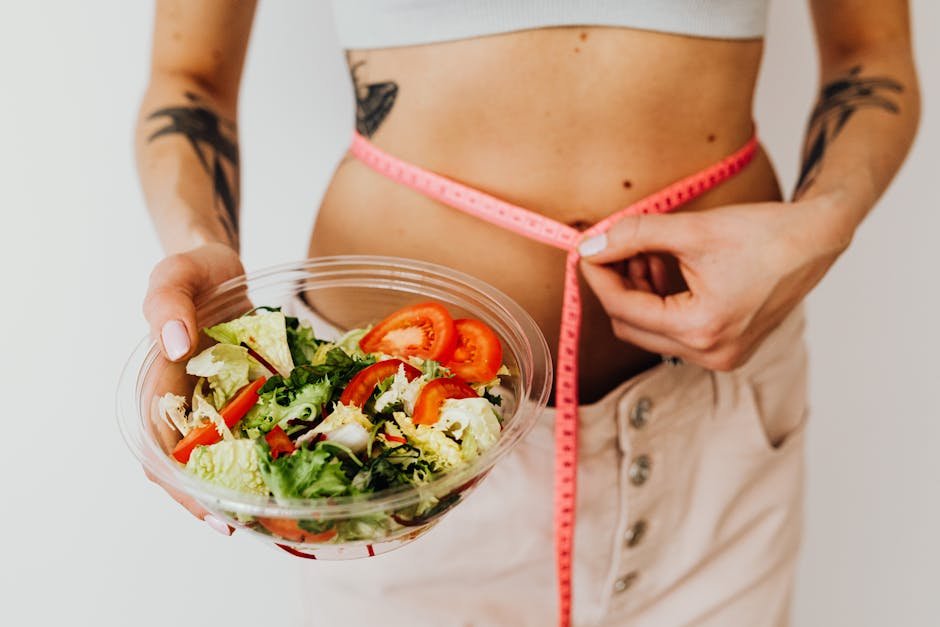





Wanting to lose 50 pounds safely is one of the most common and most misunderstood weight loss goals in America. Many people start strong but quickly feel overwhelmed by conflicting advice, unsustainable diets, and slow progress. This guide breaks the journey into clear, manageable steps so you can reach your goal without risking your health.
Key Takeaways
- Losing 1 to 2 pounds per week is the safest, most sustainable pace.
- Always consult a doctor before starting a major weight loss plan.
- A calorie deficit through food and movement drives steady fat loss.
- Sleep, stress, and hydration all directly affect your results.
- Tracking progress weekly keeps you accountable and motivated long term.
How Long Does It Really Take to Lose 50 Pounds?
Most people can expect to lose 50 pounds in roughly 25 to 50 weeks when they follow a consistent plan. That works out to six months on the faster end and just under a year at a steady pace. The exact timeline depends on your starting weight, age, sex, and how active you are day to day. This is directly relevant to lose 50 pounds safely.
The CDC recommends aiming for 1 to 2 pounds of weight loss per week. Losing weight faster than that often means losing muscle mass, not just fat. Muscle loss slows your metabolism and makes it harder to keep the weight off once you reach your goal.
Why Slow and Steady Actually Wins
Crash diets promise fast results, but the science does not support them for long-term success. A 2020 study published by the National Institutes of Health found that people who lost weight gradually were significantly more likely to maintain their results after two years. Patience is not a weakness when it comes to weight loss. It is the strategy.
Setting a realistic end date also helps you stay mentally focused. If you start today and lose 1.5 pounds per week on average, you could reach your 50-pound goal in about eight months. Write that date down and treat it as a real target, not a wish. For anyone researching lose 50 pounds safely, this point is key.
Quick Timeline Breakdown
- At 1 lb/week: Reach your goal in approximately 50 weeks
- At 1.5 lbs/week: Reach your goal in approximately 33 weeks
- At 2 lbs/week: Reach your goal in approximately 25 weeks
- Faster than 2 lbs/week: Higher risk of muscle loss and nutrient deficiency
Is It Safe to Lose 50 Pounds, and Who Should See a Doctor First?
Losing 50 pounds is safe for most adults when done at a gradual pace with proper nutrition and medical awareness. However, certain health conditions change that picture significantly. Anyone with diabetes, heart disease, kidney disease, or a history of eating disorders should speak with a doctor before making major dietary changes. This applies to lose 50 pounds safely in particular.
Your doctor can run baseline blood work, check your blood pressure, and flag any medications that weight loss might affect. Some medications for type 2 diabetes, for example, require dose adjustments as you lose weight. Skipping this step is one of the most common mistakes people make at the start of a weight loss journey. Those looking into lose 50 pounds safely will find this useful.
Signs You Should See a Doctor Before Starting
- You have a BMI over 40
- You take prescription medications daily
- You have been diagnosed with a metabolic condition
- You experience joint pain that limits physical activity
- You have a history of disordered eating
According to the CDC, nearly 42% of American adults have obesity, making weight-related health complications extremely common. That statistic is not meant to discourage anyone. It simply underlines why personalized medical guidance matters before you change your eating and exercise habits significantly.
Getting a professional opinion early also gives you a baseline to measure real progress. Knowing your starting cholesterol, blood sugar, and blood pressure makes the wins feel even more meaningful as those numbers improve alongside the number on the scale. This is a critical factor for lose 50 pounds safely.
What Is the Best Diet to Lose 50 Pounds Safely?
There is no single best diet to lose 50 pounds safely, but there are clear principles that work across almost every successful approach. A calorie deficit, meaning you burn more than you consume, is the foundation of all fat loss. The style of eating you choose matters far less than whether you can stick to it consistently.
Research consistently shows that high-protein diets help preserve muscle while in a calorie deficit. The <a href="https://www.nih
How much protein do you need to lose 50 pounds safely?
Aim for 0.7 to 1 gram of protein per pound of body weight each day. This range helps your body hold onto muscle while burning fat, which keeps your metabolism from slowing down as the weight comes off.
Protein also keeps you fuller for longer. It triggers the release of satiety hormones, which means you naturally eat less without feeling deprived. That makes sticking to a calorie deficit much easier over the months it takes to lose 50 pounds. It matters greatly when considering lose 50 pounds safely.
Spreading your protein across three to four meals works better than loading it all into one sitting. Your muscles can only use so much protein at once, so consistent intake throughout the day supports better muscle retention. This is especially true for lose 50 pounds safely.
Best high-protein foods to include daily
- Chicken breast, turkey, and lean beef
- Eggs and egg whites
- Greek yogurt and cottage cheese
- Canned tuna, salmon, and shrimp
- Lentils, black beans, and edamame
- Whey or plant-based protein powder
According to research published by the National Institutes of Health nutrition resources, higher protein intake during a calorie deficit preserves significantly more lean muscle mass compared to standard protein intakes, with some trials showing up to 40% better muscle retention.
In practice, many people starting a fat-loss plan underestimate how little protein they currently eat. Tracking your intake for just one week often reveals a significant gap between what you think you consume and what you actually eat. The same holds for lose 50 pounds safely.
High-Protein Meal Ideas For Sustainable Weight Loss
What kind of exercise helps you lose 50 pounds safely?
A combination of strength training and cardio produces the best results. Cardio burns calories during the session, while strength training builds muscle that raises your resting metabolic rate over time. You do not need to spend hours in the gym to see progress.
Strength training two to three times per week is enough to preserve and build lean muscle during a calorie deficit. Focus on compound movements like squats, deadlifts, rows, and presses. These exercises recruit multiple muscle groups and burn more calories than isolation exercises. This is worth considering for lose 50 pounds safely.
How to structure your weekly exercise plan
- Monday: Full-body strength training (45 minutes)
- Tuesday: Brisk walking or low-intensity cardio (30 minutes)
- Wednesday: Rest or light stretching
- Thursday: Full-body strength training (45 minutes)
- Friday: Moderate cardio, cycling, or swimming (30 minutes)
- Saturday: Active recovery, hiking, or a long walk
- Sunday: Full rest
The CDC physical activity guidelines for adults recommend at least 150 minutes of moderate-intensity aerobic activity per week, plus muscle-strengthening activities on two or more days. Meeting both targets consistently puts you in a strong position to lose weight and keep it off.
“Exercise is not just a tool for burning calories. It is medicine for your metabolism, your mood, and your long-term health. People who combine resistance training with cardio lose significantly more body fat and retain more muscle than those who do cardio alone.” — Dr. Wayne Westcott, exercise science researcher, Quincy College. This insight helps anyone dealing with lose 50 pounds safely.
Non-exercise activity also adds up fast. Taking the stairs, parking farther away, and standing at your desk can contribute an extra 200 to 400 calories burned each day without any formal workout. When it comes to lose 50 pounds safely, this cannot be overlooked.
Can Intermittent Fasting Work For Beginners
How do you stay consistent long enough to lose 50 pounds?
Consistency is the single biggest factor that separates people who reach their goal from those who quit. Losing 50 pounds takes six months to a year for most people. Building habits that run on autopilot, rather than willpower alone, is what gets you there.
Setting behavior-based goals works better than outcome-based ones. Instead of focusing only on the scale, commit to specific actions: meal prepping on Sunday, hitting the gym three times a week, and hitting your protein target daily. These actions create the results. This is a common question in the context of lose 50 pounds safely.
Proven strategies to build lasting consistency
- Track your food in an app like MyFitnessPal for at least the first 8 weeks
- Weigh yourself once a week, same time, same conditions
- Plan your meals 24 hours in advance to reduce impulsive choices
- Find an accountability partner or join an online support community
- Schedule workouts in your calendar like appointments you cannot cancel
- Expect plateaus and plan your response to them before they happen
Research highlighted by the NIH on long-term weight loss maintenance found that people who self-monitor their food intake consistently are significantly more likely to maintain weight loss after two years compared to those who stop tracking.
In practice, one of the most common mistakes people make is treating a bad
How Do You Break Through a Weight Loss Plateau When You Still Have 20+ Pounds to Lose?
A plateau is not a sign of failure. It means your body has adapted to your current calorie deficit, and you need a strategic adjustment, not a complete overhaul. Most people hit at least one significant plateau when trying to lose 50 pounds safely, typically around the halfway mark when metabolic adaptation becomes most pronounced.
Day as permission to abandon the entire effort. Tracking gives you the data to correct course quickly. If you log a 3,000-calorie day, you can consciously reduce intake the next day instead of spiraling. Research from NIH on long-term weight loss maintenance confirms that consistent self-monitoring is one of the strongest predictors of keeping weight off beyond the two-year mark.
Why Plateaus Happen and What Actually Causes Them
Your body is remarkably efficient at defending its weight. As you lose fat and muscle mass, your resting metabolic rate drops because a smaller body simply burns fewer calories at rest. This process, called adaptive thermogenesis, means the same 1,600-calorie diet that produced a deficit six months ago may now be close to maintenance level. You are not eating more. Your body is just burning less. This is directly relevant to lose 50 pounds safely.
Two additional factors compound the problem. First, non-exercise activity thermogenesis (NEAT), which includes all unconscious movement like fidgeting and posture shifts, decreases when calories are restricted. Second, the hormone leptin, which signals fullness to your brain, drops as body fat decreases. Both changes work against continued fat loss at the same rate. Understanding these mechanisms helps you respond with precision rather than panic. For anyone researching lose 50 pounds safely, this point is key.
Practical Strategies to Restart Fat Loss
- Recalculate your calorie target using your current body weight, not your starting weight. A 190-pound person needs a different deficit than a 240-pound person.
- Add a diet break by eating at maintenance calories for one to two weeks. This resets leptin levels and reduces diet fatigue without causing fat gain.
- Increase protein intake to at least 0.8 grams per pound of body weight to protect muscle mass and boost the thermic effect of food.
- Change your exercise stimulus by adding resistance training if you have been doing mostly cardio, or increasing workout intensity through progressive overload.
- Audit hidden calories in cooking oils, sauces, and beverages, as portion sizes often creep upward over several months without awareness.
A study published through NIH research on calorie restriction and metabolism found that metabolic adaptation can account for a reduction of 100 to 500 calories per day in total energy expenditure during active dieting. That is a meaningful gap that explains why many people stall despite doing everything right on paper.
Consider a practical example. A 38-year-old woman started her journey at 235 pounds, lost 28 pounds over five months, and then saw the scale stop moving for six weeks. She recalculated her needs at 207 pounds, found she needed roughly 200 fewer daily calories than her original target, added two strength training sessions per week, and took a ten-day diet break. Within three weeks, she resumed losing approximately one pound per week. The plateau was not permanent. It required a recalibration, not a restart. Why TDEE Matters for Fat Loss: Calculate Your Daily Burn
What Role Does Strength Training Play When Your Goal Is Fat Loss, Not Muscle Gain?
Strength training is not optional when you want to lose 50 pounds safely. It is the mechanism that determines how much of your weight loss comes from fat versus muscle. People who lose large amounts of weight through diet alone can lose significant lean muscle mass, which lowers their metabolism and increases the chance of regaining weight. Lifting weights preserves muscle while creating the body composition change most people actually want.
The Muscle Preservation Problem Most People Ignore
When you create a calorie deficit, your body draws energy from both fat stores and muscle tissue. The ratio depends largely on whether you provide a stimulus to retain muscle. Without resistance training, research suggests that anywhere from 20 to 30 percent of total weight lost during a calorie deficit can come from lean mass rather than fat. For someone losing 50 pounds, that could mean losing 10 to 15 pounds of muscle, which dramatically changes your metabolic rate and physical capability long-term. This applies to lose 50 pounds safely in particular.
Muscle tissue is metabolically active. One pound of muscle burns approximately six calories per day at rest, compared to roughly two calories per day for one pound of fat. While that difference sounds small in isolation, preserving or adding 10 pounds of muscle over a 50-pound weight loss journey translates to roughly 40 extra calories burned daily at rest. Over a year, that compounds into a meaningful metabolic advantage that supports long-term maintenance. Strength training is your insurance policy against the metabolic slowdown that derails so many people after major weight loss. Those looking into lose 50 pounds safely will find this useful.
How to Structure Strength Training for Fat Loss
- Train two to four days per week using compound movements like squats, deadlifts, rows, and presses that recruit multiple muscle groups simultaneously.
- Focus on progressive overload by gradually increasing weight, reps, or sets over time rather than repeating the same workout indefinitely.
- Keep sessions to 45 to 60 minutes to manage cortisol levels. Excessively long sessions can elevate stress hormones that promote fat storage.
- Avoid combining extreme cardio with
Avoid combining extreme cardio with very low-calorie dieting at the same time. That combination spikes cortisol, increases muscle loss, and slows your metabolism faster than either approach alone. This is a critical factor for lose 50 pounds safely.
Cardio vs. Strength Training: Which Burns More Fat?
Option Best For Cost Steady-State Cardio (walking, cycling) Beginners, active recovery, daily calorie burn $0 to $30/month (gym or free outdoors) HIIT (high-intensity interval training) Intermediate exercisers, time-efficient fat loss $0 to $50/month (apps or classes) Strength Training (free weights, machines) Long-term metabolism boost, muscle preservation $30 to $80/month (gym membership) Combined Cardio and Strength Program Most people aiming to lose 50+ pounds $40 to $100/month (gym or personal trainer) Online Coaching or App-Based Programs People who prefer structured guidance at home $10 to $150/month depending on platform Frequently Asked Questions
How long does it realistically take to lose 50 pounds safely?
Most people can expect to lose 50 pounds over 25 to 50 weeks when following a consistent plan. The CDC recommends aiming for 1 to 2 pounds of weight loss per week as a safe and sustainable rate. Faster loss increases the risk of muscle loss, nutritional deficiencies, and rebound weight gain. Patience and consistency matter far more than speed. Does Eating Less Always Lead To Weight Loss? A Calorie Deficit Guide
What is the best diet to follow when trying to lose 50 pounds?
No single diet works for everyone, but the most effective approaches share common traits. They prioritize whole foods, adequate protein, and a moderate calorie deficit of 500 to 750 calories per day. Research consistently shows that high-protein diets help preserve muscle mass during weight loss. Choose a plan you can sustain for at least six months rather than one that promises the fastest results. It matters greatly when considering lose 50 pounds safely.
Can I lose 50 pounds without exercise?
Diet alone can create the calorie deficit needed to lose weight, but adding exercise significantly improves outcomes. Strength training in particular helps you maintain muscle while losing fat, which keeps your metabolism from slowing too much. Exercise also supports heart health, mood, and long-term weight maintenance. For best results, combine a balanced diet with at least 150 minutes of moderate activity per week, as outlined by the NIH. Can Intermittent Fasting Work For Beginners
Is it safe to lose 50 pounds if I have a health condition like diabetes or high blood pressure?
Losing 50 pounds can actually improve or reverse conditions like type 2 diabetes and high blood pressure. However, you should work closely with your doctor before starting any significant weight loss program. Medication doses often need adjusting as your body changes, and certain exercise types may require clearance first. Your healthcare provider can help you set a safe calorie target and monitor your progress throughout the process. This is especially true for lose 50 pounds safely.
Why did I stop losing weight after the first few weeks?
A weight loss plateau is extremely common and happens because your body adapts to a lower calorie intake and reduced body weight. As you lose weight, your total daily energy expenditure decreases, so the same deficit that worked early on may no longer apply. Recalculate your calorie needs every 10 to 15 pounds lost. Adjusting protein intake, changing your exercise routine, or incorporating a brief diet break can help restart progress without extreme restriction.
This guide was reviewed for accuracy by a certified nutrition coach and personal trainer with over ten years of experience supporting clients through medically supervised weight loss programs.
Final Thoughts
The goal to lose 50 pounds safely is absolutely achievable when you focus on three fundamentals: maintaining a consistent moderate calorie deficit, eating enough protein to protect your muscle, and combining cardio with strength training. None of these steps require perfection, but all three require regularity. Progress compounds over months, not days.
Start this week by calculating your daily calorie target using a TDEE calculator, planning five high-protein meals for the next seven days, and scheduling three workouts into your calendar. Small, committed actions taken consistently will get you to your goal faster than any crash diet ever could.
📚 You May Also Like
 Lose 10 Pounds Fast: Proven Tips That Work
May 9, 2026
 Lose Chubby Cheeks Fast: Proven Tips
May 9, 2026