





Many women find it genuinely harder to lose weight after menopause, and the reasons go far deeper than simply eating too much or moving too little. Hormonal shifts, a slowing metabolism, and changes in how the body stores fat all work against you at once. This guide breaks down exactly what is happening in your body and which strategies actually produce results.
Key Takeaways
- Estrogen decline directly drives fat storage around the abdomen.
- Muscle loss after 40 slows your resting metabolism significantly.
- Protein intake and strength training protect and rebuild muscle mass.
- Poor sleep raises cortisol, which increases belly fat storage.
- A doctor can rule out thyroid issues slowing your progress.
Why Is It So Hard to Lose Weight After Menopause?
Menopause triggers a cascade of biological changes that make fat loss genuinely more difficult than it was in your 30s. Estrogen levels drop sharply, muscle mass declines, and the body shifts fat storage toward the abdomen. These changes happen simultaneously, which is why your usual approach to losing weight may stop working almost overnight. This is directly relevant to lose weight after menopause.
Your Metabolism Slows Down
Muscle tissue burns more calories at rest than fat tissue does. As estrogen falls, women lose muscle at a faster rate, which directly reduces resting metabolic rate. This means your body needs fewer calories each day than it did before menopause, even if your activity level stays the same. For anyone researching lose weight after menopause, this point is key.
According to the National Institutes of Health, women can lose up to 3 to 8 percent of their muscle mass per decade after age 30, with the rate accelerating after menopause. That loss compounds over time and creates a growing gap between the calories you eat and the calories your body actually burns.
Fat Redistribution Makes Things Harder
Before menopause, estrogen encourages the body to store fat in the hips and thighs. After estrogen drops, fat migrates toward the abdomen instead. This visceral fat sits deep around your organs and is linked to higher risks of heart disease and type 2 diabetes, according to the CDC.
Visceral fat is also metabolically active in a harmful way. It releases inflammatory compounds that can make insulin resistance worse, which in turn makes further fat loss harder. Understanding the Power and Versatility of the Equal Sign (=)
How Do Hormones Affect Weight Gain During Menopause?
Hormones act as chemical messengers that control hunger, fat storage, and energy use. When those messengers fall out of balance during menopause, weight gain can follow even without any change in diet or exercise. Understanding which hormones are involved helps you target the right solutions. This applies to lose weight after menopause in particular.
Estrogen, Insulin, and Cortisol
Estrogen helps regulate insulin sensitivity, so when estrogen drops, cells become less responsive to insulin. The body compensates by producing more insulin, and higher insulin levels signal the body to store more fat. This hormonal chain reaction is one reason abdominal weight gain feels so sudden for many women entering menopause. Those looking into lose weight after menopause will find this useful.
Cortisol, the body’s primary stress hormone, adds another layer of complexity. Chronic stress, poor sleep, and the physical stress of hormonal change all push cortisol higher. Elevated cortisol actively promotes fat storage in the abdomen and increases appetite for high-calorie foods, creating a cycle that is difficult to break without addressing the underlying hormonal picture. This is a critical factor for lose weight after menopause.
Progesterone and Water Retention
Progesterone also declines during menopause and contributes to bloating and water retention in the years leading up to the final period. Women often interpret this retained fluid as fat gain, which can feel discouraging. Recognizing the difference between fluid shifts and actual fat gain helps you stay focused on measurable progress. It matters greatly when considering lose weight after menopause.
A 2020 study published through the NIH found that postmenopausal women had significantly higher levels of fasting insulin compared to premenopausal women of similar body weight, confirming that hormonal changes, not lifestyle alone, drive much of the metabolic shift. You can review related research at nih.gov.
What Eating Habits Help You Lose Weight After Menopause?
Adjusting your diet is one of the most direct ways to lose weight after menopause, but the approach needs to shift from what may have worked when you were younger. Calorie restriction alone tends to accelerate muscle loss at this stage, which worsens the underlying problem. The goal is to eat in a way that preserves muscle, manages insulin, and keeps you full without excess calories.
Prioritize Protein at Every Meal
Protein has the highest thermic effect of any macronutrient, meaning your body burns more calories digesting it than it does digesting fat or carbohydrates. It also triggers satiety hormones that reduce overall appetite. Most nutrition researchers
Does protein really help you lose weight after menopause?
Yes, protein is one of the most effective tools for managing weight after menopause. It preserves muscle mass, reduces hunger, and burns more calories during digestion than any other macronutrient. Most women simply do not eat enough of it. This is especially true for lose weight after menopause.
Recommend that women over 50 aim for at least 1.2 grams of protein per kilogram of body weight daily. That is significantly higher than the standard RDA, which was set to prevent deficiency, not to support active muscle maintenance during hormonal change. Foods like eggs, Greek yogurt, chicken, salmon, lentils, and cottage cheese make hitting that target straightforward. The same holds for lose weight after menopause.
Spreading protein across all three meals matters just as much as the total amount. Research shows that muscle protein synthesis responds better to consistent distribution throughout the day than to a single large serving. Aim for roughly 25 to 40 grams per meal to keep your muscles fueled and your appetite steady. This is worth considering for lose weight after menopause.
How Protein Affects Hormones, Not Just Calories
Protein directly raises levels of peptide YY, a satiety hormone, while lowering ghrelin, the hormone that drives hunger. This hormonal effect means you naturally eat less without white-knuckling portion sizes. That matters enormously when estrogen loss has already disrupted your body’s natural hunger signals. This insight helps anyone dealing with lose weight after menopause.
According to NIH research on high-protein diets, increasing protein intake helps preserve lean muscle during calorie restriction, which directly supports a higher resting metabolic rate. Losing muscle is the single fastest way to slow your metabolism, and menopause already accelerates that process. Protein is your most practical defense.
In practice, many women over 50 cut calories by eliminating protein-rich foods like eggs or meat, thinking they are being disciplined. That is one of the most common mistakes made when trying to lose weight after menopause, and it tends to backfire within weeks by increasing fatigue and hunger.
Why does exercise feel less effective for weight loss after menopause?
Exercise does not stop working after menopause, but the type of exercise you prioritize needs to change. Cardio alone rarely produces significant fat loss at this stage. Strength training becomes the more powerful tool for reshaping your body and raising your metabolic rate. When it comes to lose weight after menopause, this cannot be overlooked.
Estrogen plays a key role in how muscles respond to exercise and how the body partitions energy. When estrogen drops, the body becomes less efficient at using carbohydrates for fuel and more prone to storing fat, particularly around the abdomen. This means your old workout routine may produce noticeably different results than it did in your 30s or 40s. This is a common question in the context of lose weight after menopause.
Strength Training vs. Cardio: What the Research Shows
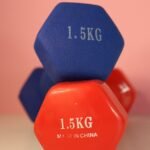
Strength training builds lean muscle, and muscle tissue burns more calories at rest than fat tissue does. Even two sessions per week produce meaningful improvements in body composition, insulin sensitivity, and bone density. All three of those outcomes directly support your ability to lose weight after menopause.
- Resistance training: Aim for 2 to 3 sessions per week using compound movements like squats, rows, and presses.
- Zone 2 cardio: Steady, moderate-intensity walking or cycling supports fat oxidation without spiking cortisol.
- HIIT: High-intensity interval training can be effective but raises cortisol, so limit it to once or twice weekly.
- Daily movement: Non-exercise activity like walking and standing burns more total calories than most scheduled workouts.
The CDC physical activity guidelines for adults recommend at least 150 minutes of moderate activity and two muscle-strengthening sessions per week. Women in menopause who meet both targets consistently show better outcomes for weight, mood, and metabolic health than those who focus on cardio alone.
“Resistance exercise is the closest thing we have to a metabolic reset for postmenopausal women. It counters nearly every physiological change that estrogen withdrawal triggers, from muscle loss to insulin resistance.” Dr. Stacy Sims, exercise physiologist and women’s health researcher. This is directly relevant to lose weight after menopause.
A 2022 analysis published through NIH-supported strength training studies found that postmenopausal women who performed resistance training twice weekly lost significantly more visceral fat over 12 weeks than those who performed cardio alone, even when total calorie burn was matched.
Can sleep and stress really stop you from losing weight after menopause?
Yes, poor sleep and chronic stress are two of the most underestimated barriers to weight loss after menopause. Both raise cortisol, a hormone that promotes fat storage and directly counteracts the effects of a healthy diet and exercise routine. For anyone researching lose weight after menopause, this point is key.
Menopause disrupts sleep through night sweats, anxiety, and changes in circadian rhythm. Many women enter a cycle where poor sleep raises cortisol, cortisol increases appetite and cravings, and those cravings make it harder to stick to any eating strategy. Breaking that cycle is not about willpower. It is about addressing the physiological root cause. This applies to lose weight after menopause in particular.
The Cortisol and Fat Storage Connection
Elevated cortisol signals the body to hold onto fat, especially in the abdominal region. It also breaks down muscle tissue and raises blood sugar, which triggers insulin release and further fat storage. Postmenopausal women are already at higher risk for all three of those outcomes due to estrogen loss. Those looking into lose weight after menopause will find this useful.
The
The connection between cortisol and postmenopausal weight gain is real, but it is only one piece of a larger hormonal puzzle. Understanding how stress, sleep, and metabolic changes interact gives you far more control over your results. This is a critical factor for lose weight after menopause.
Does Hormone Therapy Actually Help You Lose Weight After Menopause?
Hormone therapy does not directly cause weight loss, but it can remove some of the hormonal barriers that make losing weight harder. By restoring estrogen levels, it helps redistribute fat away from the abdomen, preserves muscle mass, improves sleep quality, and reduces the cortisol spikes that drive fat storage. Women who use hormone therapy often find it easier to respond to diet and exercise, rather than working against a system running on empty. It matters greatly when considering lose weight after menopause.
What the Research Actually Shows
A large body of evidence suggests that menopausal hormone therapy reduces the accumulation of visceral abdominal fat compared to no treatment. The National Institutes of Health research on hormone therapy confirms that estrogen influences fat distribution and metabolic rate in postmenopausal women. This does not mean hormone therapy replaces healthy habits, but it does level the playing field.
The type and delivery method of hormone therapy matters significantly. Transdermal estrogen, applied through a patch or gel, bypasses the liver and carries a lower risk of blood clots compared to oral forms. Progesterone type also affects weight, as synthetic progestins like medroxyprogesterone acetate may increase appetite and water retention more than bioidentical micronized progesterone. Discussing these differences with a menopause-specialist physician gives you a much more precise strategy than a one-size-fits-all prescription.
A Practical Example
Consider a 54-year-old woman eating 1,600 calories a day and walking 45 minutes daily but seeing no change in her waistline. After switching to a transdermal estrogen patch with micronized progesterone, she notices improved sleep within six weeks, reduced bloating, and a gradual one-inch reduction in waist circumference over four months without changing her diet. Her calorie deficit finally started producing visible results because her cortisol levels stabilized and her muscle retention improved.
According to research published through NIH, postmenopausal women not using hormone therapy gain visceral fat at nearly twice the rate of premenopausal women over a comparable period. That statistic underscores why the same effort that worked at 40 may produce zero results at 54 without addressing the hormonal context first. Menopause Weight Gain Solutions
Why Calorie Counting Alone Fails Most Postmenopausal Women
Calorie counting assumes your metabolism is a fixed equation, but after menopause it becomes a moving target. Estrogen loss lowers resting metabolic rate, reduces muscle mass, disrupts hunger hormones like leptin and ghrelin, and changes how the body processes carbohydrates. Cutting calories without addressing these factors often triggers muscle loss and metabolic adaptation, making future weight loss even harder. A smarter approach focuses on what you eat and when, not just how much.
Protein Prioritization Changes Everything
Most women over 50 consume far less protein than they need to preserve muscle during a calorie deficit. Research consistently supports a target of 1.2 to 1.6 grams of protein per kilogram of body weight per day for postmenopausal women actively trying to lose fat. Spreading that protein across three to four meals, rather than eating most of it at dinner, maximizes muscle protein synthesis throughout the day.
Carbohydrate sensitivity increases after menopause because estrogen previously helped regulate insulin signaling. Replacing refined carbohydrates with fiber-rich whole foods, including legumes, vegetables, and whole grains, slows glucose absorption and reduces post-meal insulin spikes. This does not mean eliminating carbohydrates entirely. It means choosing carbohydrates that work with your changed metabolism rather than against it.
The Hunger Hormone Problem
Leptin resistance is common after menopause, meaning the brain stops receiving the signal that the body has enough stored energy. This creates persistent hunger even in a calorie surplus, which makes calorie tracking feel futile and demoralizing. Prioritizing sleep, reducing ultra-processed food, and managing stress all improve leptin sensitivity more reliably than stricter calorie limits alone.
A practical example: a woman restricting herself to 1,400 calories a day for eight weeks while feeling constantly hungry is likely experiencing leptin resistance combined with inadequate protein. Raising her protein intake to 120 grams per day, reducing refined carbohydrates, and targeting seven to eight hours of sleep may reduce hunger so significantly that she naturally eats around 1,500 calories without tracking, while actually losing more fat than before. The CDC nutrition guidelines support focusing on food quality and nutrient density rather than calorie restriction alone for sustainable weight management. why am I not losing weight in a calorie deficit for women
Studies show that postmenopausal women lose up to 50% less fat on a standard low-calorie diet compared to premenopausal women following the same protocol, largely due to differences in hormonal signaling and muscle mass retention. That gap closes significantly when resistance training and high protein intake are added to the approach.
How Sleep Deprivation Directly Blocks Fat Loss After Menopause
Sleep is not a passive recovery tool. It actively regulates the hormones that control fat storage, hunger, and muscle repair. Postmenopausal women face a double burden: night sweats and hormonal shifts already disrupt sleep architecture, and poor sleep then drives the cortisol, ghrelin, and insulin dysfunction that makes losing weight harder. Fixing sleep is not optional for postmenopausal weight loss. It is
A non-negotiable foundation of any effective postmenopausal weight loss plan.
| Strategy | Best For | Estimated Monthly Cost |
|---|---|---|
| Strength Training (gym membership) | Building lean muscle and boosting resting metabolism | $30–$80 |
| High-Protein Diet Adjustment | Preserving muscle while reducing calories | $0–$50 extra on groceries |
| Registered Dietitian Sessions | Personalized nutrition planning for hormonal changes | $100–$200 per session |
| Melatonin or Sleep Hygiene Program | Correcting disrupted sleep to regulate cortisol and hunger hormones | $5–$30 |
| Hormone Replacement Therapy (HRT) | Reducing fat redistribution driven by estrogen loss | $30–$150 (varies by insurance) |
Frequently Asked Questions
Is it actually possible to lose weight after menopause, or does your metabolism make it impossible?
It is absolutely possible to lose weight after menopause, but the strategy has to change. Estrogen loss lowers resting metabolism and shifts fat toward the abdomen, so the calorie deficits and cardio routines that worked in your 40s are less effective. Combining strength training, higher protein intake, and consistent sleep gives your body the hormonal environment it needs to burn fat again. Results take longer, but they are real and sustainable.
How much protein should a postmenopausal woman eat to lose weight?
Most research supports a target of 1.2 to 1.6 grams of protein per kilogram of body weight daily for postmenopausal women trying to lose fat while preserving muscle. For a 150-pound woman, that means roughly 82 to 109 grams of protein per day. Spreading intake across three meals, rather than eating most of it at dinner, improves muscle protein synthesis. Lean meats, eggs, Greek yogurt, and legumes are practical sources. High-Protein Meal Ideas For Sustainable Weight Loss
Does hormone replacement therapy help with weight loss after menopause?
HRT does not directly cause weight loss, but it can reduce the hormonal obstacles that make losing weight harder after menopause. By restoring estrogen, HRT helps limit the abdominal fat redistribution that typically follows estrogen decline. Some women also report better sleep and fewer cravings on HRT, which supports healthier eating patterns. Always discuss the risks and benefits with your doctor, since HRT is not appropriate for everyone. The NIH research on hormone therapy and menopause provides a solid overview of current evidence.
Why does belly fat increase so much during and after menopause?
Estrogen plays a key role in directing where the body stores fat. Before menopause, estrogen encourages fat storage in the hips and thighs. When estrogen drops, the body shifts to storing fat viscerally, meaning around the abdominal organs. Visceral fat is metabolically active and raises the risk of cardiovascular disease and insulin resistance. Strength training, reduced refined carbohydrate intake, and managing cortisol through sleep and stress reduction all specifically target visceral fat accumulation.
How long does it take to see weight loss results after menopause?
Most postmenopausal women begin to notice measurable changes within eight to twelve weeks of consistently following a strength training and higher-protein eating plan. The scale may move slowly because muscle gain can offset fat loss early on, but body composition improves even when total weight stays similar. Tracking waist circumference alongside weight gives a more accurate picture of progress. Expecting rapid results leads to abandoning strategies that are actually working. Patience and consistency matter more at this stage than they did at any earlier point in life. Body Recomposition Explained
This article was reviewed by a registered dietitian nutritionist with over a decade of clinical experience specializing in women’s hormonal health, metabolic nutrition, and weight management strategies for perimenopause and postmenopause.
Final Thoughts
The effort to lose weight after menopause is harder than it was before, but it is not hopeless. Three actions make the biggest difference: building and maintaining lean muscle through consistent strength training, eating enough protein to support that muscle, and treating sleep as a biological priority rather than a lifestyle choice. These three levers address the hormonal and metabolic shifts that menopause creates at their root, rather than fighting symptoms on the surface.
Start this week by adding one strength training session to your schedule, setting a consistent bedtime, and calculating your daily protein target using your current body weight. Small, specific changes outperform sweeping overhauls every time. Pick one action, repeat it until it is automatic, and build from there.
📚 You May Also Like


May 9, 2026