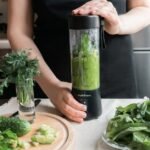


Benefits of Anti-inflammatory Keto Meal Plans for Overall Health
When it comes to improving your overall health, an anti-inflammatory keto meal plan may be an optimal choice. This dietary approach combines the principles of the ketogenic diet with anti-inflammatory foods to help you feel better while supporting various bodily functions.
The keto diet is known for its low-carb and high-fat intake, which helps the body enter a state of ketosis, where it burns fat for fuel instead of carbohydrates. However, when you focus on anti-inflammatory foods, you can enhance the benefits of this dieting approach even more. Let’s dive into the benefits of incorporating an anti-inflammatory keto meal plan into your lifestyle.
Improved Digestive Health
An anti-inflammatory keto meal plan often emphasizes whole foods such as vegetables, healthy fats, and quality proteins. These meals can promote healthier digestion. Consuming fiber-rich foods like leafy greens and avocados helps maintain gut health by supporting good bacteria. A healthy gut can reduce inflammation throughout your body.
Enhanced Mental Clarity and Focus
Many individuals report improved mental clarity and focus when following a keto diet. By including anti-inflammatory foods like salmon or walnuts, you can boost omega-3 fatty acid intake, which has been linked to better cognitive function. This can help you concentrate better throughout your day. Here are some foods that can benefit your brain health:
- Fatty fish (e.g., salmon, mackerel)
- Nuts and seeds (e.g., walnuts, flaxseeds)
- Berries (e.g., blueberries, strawberries)
- Leafy greens (e.g., spinach, kale)
Weight Management
Weight management is another notable benefit of an anti-inflammatory keto meal plan. This diet allows for higher fat intake while minimizing carbs, which can lead to substantial weight loss for many people. With anti-inflammatory foods incorporated, you feel fuller longer, reducing the temptation to snack unhealthily.
Lowered Risk of Chronic Diseases
Research indicates that chronic inflammation may be a significant contributor to many diseases, such as heart disease, diabetes, and arthritis. Adopting an anti-inflammatory keto meal plan can lower inflammation markers in your body and potentially reduce your risk of these diseases. Foods that support this can include:
- Olive oil
- Avocados
- Nut butters (e.g., almond butter)
- Turmeric (known for its anti-inflammatory properties)
Balanced Blood Sugar Levels
Low-carb diets like keto help maintain stable blood sugar levels, reducing insulin resistance. That aspect is particularly beneficial for those with or at risk of type 2 diabetes. anti-inflammatory foods like non-starchy vegetables can enhance blood sugar control, promoting overall metabolic health.
Better Skin Health
Another advantage to an anti-inflammatory keto meal plan is the potential for improved skin health. Inflammatory foods can lead to skin issues like acne or eczema. By focusing on anti-inflammatory foods, you may notice a reduction in these problems. Including foods such as:
- Avocados
- Tomatoes
- Bell peppers
- Green tea
Can harness the benefits of antioxidants and reduce skin inflammation.
To start your journey towards a healthier lifestyle through an anti-inflammatory keto meal plan, consider consulting with a registered dietitian or nutritionist. They can help create personalized meal plans tailored to your needs.
For more insights into anti-inflammatory eating and health, websites such as Dr. Sircus and Healthline offer valuable resources.
Adopting an anti-inflammatory keto meal plan can lead to a multitude of health benefits, from better overall health and weight management to improved mental clarity. With the right foods, you can combat inflammation and enjoy a fuller, healthier life.
Key Foods to Include in an Anti-inflammatory Keto Diet
If you’re considering a diet that promotes health and wellness while managing inflammation, an anti-inflammatory keto diet may be the perfect solution. This diet combines the benefits of the ketogenic approach—high in healthy fats and low in carbohydrates—with foods known to reduce inflammation. To help you incorporate this dietary style effectively, here are essential foods to include that will keep your meals nutritious and delicious.
Healthy Fats
Healthy fats are essential in an anti-inflammatory keto diet. These fats not only provide energy but also help fight inflammation. Here are some key sources:
- Avocados: Rich in monounsaturated fats and potassium, avocados support heart health and reduce inflammation.
- Olive Oil: Extra virgin olive oil is packed with antioxidants and oleocanthal, which has similar anti-inflammatory effects to ibuprofen.
- Coconut Oil: Contains medium-chain triglycerides (MCTs) that can boost your metabolism and promote body fat loss while reducing inflammation.
- Nut Butters: Almond, walnut, and cashew butters are great sources of healthy fats and proteins, beneficial for controlling inflammation.
Low-Carbohydrate Vegetables
Vegetables are a crucial part of any diet, particularly in an anti-inflammatory framework. Focus on low-carb options that deliver high nutrient content:
- Leafy Greens: Spinach, kale, and Swiss chard are low in carbs and high in vitamins and minerals that combat inflammation.
- Cruciferous Veggies: Broccoli and cauliflower contain sulforaphane, a compound that may lower inflammation levels.
- Bell Peppers: These colorful vegetables are rich in vitamin C, antioxidants, and beneficial flavonoids which have anti-inflammatory properties.
- Mushrooms: Particularly shiitake and maitake, known for their effectiveness in reducing inflammation.
Protein Sources
When following a ketogenic diet, choosing the right proteins can also help in managing inflammation:
- Fatty Fish: Salmon, sardines, and mackerel are packed with omega-3 fatty acids that are known to combat inflammation.
- Grass-Fed Beef: This meat contains more omega-3s and inflammatory compounds compared to grain-fed beef.
- Poultry: Chicken and turkey are excellent sources of high-quality protein with fewer carbs and help maintain muscle mass.
Spices and Herbs
Various spices and herbs can enhance flavor and provide health benefits:
- Turmeric: Contains curcumin, a powerful anti-inflammatory compound that can help reduce pain and inflammation.
- Ginger: This spice is known for its anti-inflammatory and antioxidant effects, making it a fantastic addition to your meals.
- Cinnamon: This spice can help lower blood sugar levels and has been shown to reduce inflammation markers.
Fermented Foods
Fermented foods can support gut health, which is closely linked to inflammation levels:
- Kefir: A fermented dairy product rich in probiotics that aid digestion and help fight inflammation.
- Kimchi and Sauerkraut: Both are low-carb and boost gut health, which can also influence inflammatory levels in the body.
Sample Anti-inflammatory Keto Meal Plan
| Meal | Food |
|---|---|
| Breakfast | Avocado with scrambled eggs and turmeric seasoning |
| Lunch | Crispy salmon salad with olive oil vinaigrette |
| Dinner | Grilled chicken with sautéed broccoli and garlic |
| Snack | Almond butter with celery sticks |
Implementing an anti-inflammatory keto diet will not only help manage your weight but also may promote overall health by reducing chronic inflammation. The foods mentioned above can make it easier to adopt this lifestyle. To explore more resources, visit Healthline and Ketogenic.com for additional meal plans and tips.
How Anti-inflammatory Foods Boost Your Keto Journey
Combining a ketogenic diet with anti-inflammatory foods can create a powerful synergy for health and wellness. The key to understanding this relationship lies in how each element impacts your body. When you incorporate anti-inflammatory foods into your keto meal plan, you position yourself for better health outcomes and enhanced performance on your diet. Here’s how these foods can boost your keto journey.
Understanding Inflammation and the Keto Diet
Inflammation is your body’s natural response to injury or infection. Chronic inflammation, however, can lead to serious health issues such as heart disease, diabetes, and autoimmune disorders. A ketogenic diet, characterized by low carbs and high fats, is an effective way to reduce body fat and provide your body with energy from fats instead of sugars. When you add anti-inflammatory foods to this plan, you can minimize inflammation and maximize the benefits of ketosis.
Benefits of Anti-inflammatory Foods on a Keto Diet
Integrating anti-inflammatory foods into your keto meal plans not only helps reduce inflammation but also supports vital processes within your body. Here are several benefits:
- Enhanced Nutrient Absorption: Anti-inflammatory foods are often rich in vitamins and minerals that enhance overall health. They improve the bioavailability of nutrients, allowing your body to utilize these elements better.
- Reduced Chronic Pain: These foods can alleviate symptoms associated with chronic pain disorders, making it easier to maintain a regular exercise routine while on keto.
- Improved Mental Clarity: Some anti-inflammatory items have been shown to boost brain function, supporting cognitive abilities and overall mental health.
- Weight Loss Support: Fewer inflammatory markers can lead to a more effective weight loss process while following a ketogenic diet.
Top Anti-inflammatory Foods for Your Keto Meal Plan
To reap the benefits of both diets, consider adding the following anti-inflammatory foods into your keto meal plans:
| Food | Benefits |
|---|---|
| Fatty Fish (e.g., salmon, mackerel) | Rich in omega-3 fatty acids, which are known to lower inflammation. |
| Leafy Greens (e.g., spinach, kale) | High in antioxidants and essential vitamins that combat inflammation. |
| Avocado | Contains healthy fats and compounds that help reduce inflammation. |
| Nuts (e.g., walnuts, almonds) | Provide essential fatty acids and antioxidants. |
| Olive Oil | Exhibits strong anti-inflammatory properties. |
| Cruciferous Vegetables (e.g., broccoli, cauliflower) | Loaded with antioxidants and anti-inflammatory benefits. |
Sample Anti-inflammatory Keto Meal Plan
Creating a delicious and effective anti-inflammatory keto meal plan can enhance your diet and improve health. Here’s a sample plan:
- Breakfast: Scrambled eggs with spinach and avocado, cooked in olive oil.
- Lunch: Grilled salmon salad with mixed greens and walnuts, topped with a vinaigrette.
- Snack: A handful of almonds or walnuts.
- Dinner: Baked chicken with roasted broccoli and cauliflower, drizzled with olive oil.
- Dessert: Chia seed pudding made with coconut milk and topped with berries.
Each of these meals is designed to support your body while remaining compliant with your keto lifestyle.
Anti-inflammatory Spices
Besides food, spices play a vital role in anti-inflammatory diets. Consider adding the following keto-friendly spices to your dishes:
- Tumeric: Contains curcumin, which has potent anti-inflammatory effects.
- Ginger: Helps reduce muscle pain and soreness.
- Cayenne Pepper: Boosts metabolism and may help reduce inflammation.
The key to a successful anti-inflammatory keto journey is variety. Rotating these foods not only keeps your meals exciting but enhances the overall impact on your health.
By focusing on whole foods rich in nutrients, you can create a fulfilling diet that helps you manage inflammation while enjoying your ketogenic lifestyle. To learn more about anti-inflammatory foods and their benefits, check out resources like Healthline or Well + Good.
Embracing both anti-inflammatory foods and a ketogenic diet opens the door to a healthier lifestyle that supports your wellness objectives. Don’t hesitate to experiment with these foods and spices as you embark on your journey.
Meal Prep Tips for an Effective Anti-inflammatory Keto Plan
Meal prepping is an efficient way to navigate your anti-inflammatory keto journey. By planning ahead, you ensure that your meals align with your dietary goals while reducing inflammation in your body. Here are some essential tips and strategies to help you effectively meal prep for your anti-inflammatory keto plan.
Understand Anti-inflammatory Keto Foods
Before you begin meal prepping, it’s crucial to know which foods are both keto-friendly and anti-inflammatory. Focus on incorporating:
- Leafy greens like spinach and kale
- Healthy fats such as avocados, olive oil, and nuts
- Fatty fish rich in omega-3s, including salmon and sardines
- Berries in moderation for natural sweetness and antioxidants
- Cruciferous vegetables like broccoli and cauliflower
Create a Weekly Meal Planner
Planning your meals in advance can help you stick to your dietary objectives. A sample weekly meal planner may look like this:
| Day | Breakfast | Lunch | Dinner |
|---|---|---|---|
| Monday | Scrambled eggs with spinach | Grilled chicken salad with olive oil dressing | Baked salmon with broccoli |
| Tuesday | Chia seed pudding with berries | Zucchini noodles with pesto | Stir-fry tofu with mixed veggies |
| Wednesday | Smoothie with avocado and spinach | Lettuce wraps with turkey and avocado | Beef stir-fry with bell peppers |
| Thursday | Egg muffins with mushrooms | Cauliflower rice bowl with shrimp | Stuffed peppers with ground turkey |
| Friday | Greek yogurt with nuts | Cobb salad with bacon and eggs | Grilled mackerel with asparagus |
| Saturday | Paleo pancakes with almond flour | Quinoa and vegetable salad | Chicken curry with cauliflower rice |
| Sunday | Avocado toast on keto bread | Vegetable soup | Eggplant lasagna |
Batch Cooking
Batch cooking can dramatically minimize your daily cooking time. Choose a day when you have a few hours free, typically the weekend, and cook in bulk. Here are steps to consider:
- Pick recipes that share similar ingredients to avoid wasting food.
- Cook proteins like chicken or fish in large batches; store them in the fridge or freezer.
- Prepare and portion out vegetables for easy access during the week.
Storage Solutions
How you store your meals matters! Use airtight containers to keep your meals fresh and prevent contamination. Additionally, label each container with the date and meal contents, ensuring you consume meals on time.
Keep Snacks Handy
Snacking can derail your anti-inflammatory keto plan if you’re not prepared. Stock up on healthy, keto-approved snacks such as:
- Mixed nuts and seeds
- Cheese cubes
- Hard-boiled eggs
- Vegetable sticks with guacamole
Stay Hydrated
Hydration is often overlooked. Drink plenty of water throughout the day. Consider herbal teas and lemon water for flavor without extra calories.
For more resources and recipes about anti-inflammatory keto meal planning, visit Keto Diet App and explore their array of tools. Also, check out Healthline for insights on dietary inflammation.
By implementing these meal prep tips, you can enjoy a delicious, anti-inflammatory keto lifestyle while keeping your cooking efficient. Enjoy the journey to better health through mindful eating!
Common Mistakes to Avoid on an Anti-inflammatory Keto Diet
The anti-inflammatory keto diet has gained popularity due to its potential health benefits, including weight loss and reduced inflammation. However, many people make common mistakes that can hinder their success. By avoiding these pitfalls, you can enhance your diet’s effectiveness and enjoy your meals more. Here are some common mistakes to steer clear of.
Neglecting Nutrient Variety
One major error is sticking to the same foods each week. A diverse diet helps ensure you receive all essential vitamins and minerals. If you consume only a limited range of foods, you might miss out on nutrients that reduce inflammation. Aim to include various vegetables, healthy fats, and proteins in your meals. Consider adding:
- Leafy greens like spinach and kale
- Colorful peppers and berries
- Healthy fats from avocados, olive oil, and nuts
- High-quality protein sources like grass-fed beef, seafood, and eggs
By rotating your food choices, you not only keep your meals interesting but also strengthen your health on the keto path.
Ignoring Quality of Ingredients
Choosing low-quality ingredients can significantly affect the results of your anti-inflammatory keto diet. Many processed foods, even if they are low in carbs, can trigger inflammation. Always opt for whole, unprocessed foods whenever possible. Look for:
- Grass-fed meats
- Wild-caught fish
- Organic vegetables
- Unrefined oils
Investing in high-quality ingredients can enhance the health benefits of your diet. You can find more information on choosing quality foods [here](https://www.healthline.com/nutrition/what-is-keto-diet).
Not Drinking Enough Water
Staying hydrated is crucial on any diet, including keto. Many people forget to drink water, especially when they focus on fat-heavy meals. Dehydration can lead to fatigue, headaches, and a feeling of sluggishness, all of which detract from your diet’s benefits.
To help maintain hydration:
- Drink at least eight glasses of water daily.
- Incorporate herbal teas.
- Consume water-rich vegetables like cucumber and zucchini.
Overlooking Hidden Carbs
Even on a keto diet, individuals may accidentally consume hidden carbs from sauces, dressings, and snacks. Reading labels is essential! Many products under the guise of being keto-friendly can still contain sugars and fillers that negatively impact your carb intake.
To avoid this mistake, pay attention to:
| Food Item | Hidden Carbs (Per Serving) |
|---|---|
| BBQ Sauce | 6g |
| Low-Fat Salad Dressing | 4g |
| Certain Yogurts | 10g |
Always check labels before introducing a new product into your meal plan. This practice will help you keep your carb intake low and maintain the ketogenic state.
Forgetting to Listen to Your Body
Many dieters become overly focused on tracking macros and planning meals, leading them to neglect their body’s signals. Listening to hunger and satiety cues can help you make better food choices without feeling deprived. If you feel tired or not at your best, reevaluate what you’re eating.
Don’t hesitate to adjust portion sizes or food types based on how your body responds. Maintaining balance is a key part of any sustainable diet.
Misunderstanding the Role of Keto Flu
When starting the keto diet, some individuals experience symptoms known as “keto flu.” While this can be normal, misunderstanding this phase can lead to unnecessary discomfort. These symptoms typically include fatigue, headache, and irritability but will pass as your body adjusts. It’s crucial to remember that adequate hydration, mineral intake, and proper nutrition can help ease these symptoms.
For more details on managing keto flu, you can refer to [this article](https://www.dietdoctor.com/low-carb/keto/faq).
By avoiding these common mistakes, you can make your anti-inflammatory keto meal plans more enjoyable and successful. With the right ingredients and strategies on your side, you can improve your overall health while enjoying delicious meals.
Success Stories: Real-Life Experiences with Anti-inflammatory Keto Meal Plans
Many people are searching for ways to improve their health through diet, particularly by focusing on what they eat to reduce inflammation. The anti-inflammatory keto meal plan has gained traction over the years, offering not just an effective way to lose weight but also a method to manage chronic inflammation. Here are some inspiring success stories from individuals who have embraced this unique dietary approach.
One notable success story comes from Sarah, a 42-year-old woman who struggled with arthritis for years. After hearing about the anti-inflammatory keto meal plan, Sarah decided to give it a try. She found that by cutting out sugar and processed carbohydrates while incorporating healthy fats, she experienced a significant reduction in joint pain and swelling. In just three months, Sarah lost 20 pounds and could move more freely, leading to a more active lifestyle. Her meals included items like salmon, avocados, and leafy greens, all of which contributed to decreasing inflammation in her body.
Similarly, Mike, a 38-year-old teacher, faced severe fatigue and digestive issues. After extensive research, he decided to adopt an anti-inflammatory keto meal plan. Mike carefully tracked his meals and focused on whole foods while avoiding grains and sugars. Within weeks, he noticed increased energy levels and improved digestion. The incorporation of low-carb vegetables and quality proteins helped him feel more satisfied and less bloated. Mike’s story emphasizes how mindful eating can truly alter your health. His go-to meals included cauliflower rice stir-fry and zoodles with pesto.
Another inspiring case is that of Maria, a 29-year-old mother diagnosed with fibromyalgia. She turned to the anti-inflammatory keto meal plan after reading about its potential benefits for chronic pain management. Maria prepared meal plans that were rich in omega-3 fatty acids, such as fatty fish and nuts, which helped alleviate her symptoms. By focusing on anti-inflammatory ingredients, Maria found that her pain decreased, allowing her to enjoy her family life more fully. Her favorite recipes included creamy coconut curry chicken and a hearty beef stew with vegetables.
The journey to adopting an anti-inflammatory keto diet often includes overcoming challenges. For example, many individuals may initially struggle with cravings for sweets or carb-laden foods. Here are a few tips that helped these success stories thrive:
- Meal Prep: Preparing meals in advance can reduce the temptation to stray from the plan.
- Focus on Whole Foods: Prioritize whole, unprocessed foods to maximize nutrient intake.
- Stay Hydrated: Drinking plenty of water can help reduce inflammatory responses in the body.
- Experiment with Flavors: Use herbs and spices that have anti-inflammatory properties to enhance meals.
As these individuals discovered, success with an anti-inflammatory keto meal plan is not just about weight loss; it’s about improving overall well-being. Beyond personal gains, they also shared their journeys on social media and various online communities, inspiring thousands to consider a similar path. If you want to explore your options, communities like Keto Connect and Diet Doctor offer valuable insights and support.
An important aspect of these success stories is the variety of meals individuals created. Below is a sample table highlighting typical meals from their weekly plans:
| Day | Breakfast | Lunch | Dinner |
|---|---|---|---|
| Monday | Avocado Eggs | Chicken Salad | Zucchini Noodles with Pesto |
| Tuesday | Smoothie with Spinach | Grilled Salmon | Beef Stir-Fry |
| Wednesday | Chia Seed Pudding | Turkey Lettuce Wraps | >Chicken Thighs with Asparagus |
| Thursday | Egg Muffins | Shrimp Avocado Salad | Pork Chops with Broccoli |
| Friday | Berries with Whipped Cream | Caprese Salad | Stuffed Bell Peppers |
For those looking for comprehensive recipes and support, websites like Healthline provide great resources. Your journey towards embracing an anti-inflammatory keto meal plan can lead to significant changes in your health and lifestyle, much like the experiences shared here. With dedication and the right support, you too can achieve your health goals and find relief from inflammation through food.
Supplements to Enhance the Anti-inflammatory Effects of Your Keto Diet
Supplements into your keto diet can significantly enhance its anti-inflammatory effects. While the ketogenic diet is already known for its benefits, adding specific supplements can amplify these results, helping to reduce inflammation further and encourage better overall health. Let’s explore some key supplements that can optimize your anti-inflammatory keto meal plans.
Omega-3 Fatty Acids
Omega-3 fatty acids, found in fish oil or algae supplements, are famous for their powerful anti-inflammatory properties. They help balance the omega-6 to omega-3 ratio in your diet, which is often skewed by consuming too many processed foods. Supplementing with omega-3 fatty acids can lead to:
- Reduced joint pain
- Lowered risk of chronic diseases
- Improved heart health
For optimal results, aim for a daily intake of around 1,000 to 3,000 mg of combined EPA and DHA from a quality source. For more information, you might want to check out this study.
Curcumin
Curcumin is the active compound found in turmeric and is recognized for its anti-inflammatory and antioxidant capabilities. This vibrant yellow spice can provide relief for those suffering from inflammation-related conditions. Consider taking curcumin supplements if you want to:
- Boost your overall immune response
- Enhance recovery from exercise
- Support brain health
Dosages can vary, but a common recommendation is around 500 to 2,000 mg per day. Pair it with black pepper extract (piperine) to enhance absorption. Check out this research for more details.
Vitamin D
Vitamin D is a crucial nutrient that can positively impact your immune function and reduce inflammation. Many people are deficient in vitamin D, especially in northern climates during the winter months. Elevated vitamin D levels can lead to:
- Improved mood and mental health
- Reduced risk of autoimmune diseases
- Better muscle function
A daily dose of 1,000 to 4,000 IU is often recommended, but it’s best to get your levels checked first. Consider reading more at NIH Office of Dietary Supplements.
Magnesium
Magnesium is essential for a myriad of bodily functions, including muscle relaxation and energy production. It also plays a role in managing inflammation. magnesium supplements may help you:
- Support nerve function and mental clarity
- Improve sleep quality
- Alleviate headaches
A typical recommendation is between 300 to 400 mg per day, though this can vary based on individual needs. For more information, refer to NIH on Magnesium.
Probiotics
Your gut health is crucial when considering inflammation. Probiotics can help promote a healthy balance of gut bacteria, thus reducing inflammation in the body. Regularly consuming probiotic supplements can lead to:
- Enhanced digestive function
- Improved immunity
- A lower risk of gut-related inflammation
Look for a probiotic that contains a variety of strains, ideally with at least 10 billion CFUs. More about the impact of probiotics can be found at this article.
Supplementing your keto diet with these potent anti-inflammatory agents can not only enhance your health but also improve your quality of life. Remember to consult with a healthcare professional before starting any new supplement regimen to ensure it aligns with your individual health needs.
Key Takeaway:
Key Takeaway: Embracing Anti-Inflammatory Keto Meal Plans for Optimal Health
Integrating an anti-inflammatory keto meal plan into your lifestyle can significantly enhance your overall health and well-being. This diet combines the powerful effects of ketogenic eating—known for its low-carbohydrate, high-fat approach—with the health benefits of anti-inflammatory foods. The primary advantage of such a meal plan is its ability to reduce inflammation in the body, which can lead to various health issues, including chronic pain, autoimmune disorders, and heart disease.
To build an effective anti-inflammatory keto diet, it’s crucial to know which key foods to include. nutrient-dense ingredients such as avocados, leafy greens, fatty fish, nuts, and berries can provide essential vitamins, minerals, and healthy fats while keeping carbohydrate levels low. These foods not only support keto adaptation but also work synergistically to reduce inflammation.
Moreover, focusing on anti-inflammatory foods can bolster your keto journey by making your meals tastier and more satisfying. The right combination of ingredients not only helps manage weight but can also lead to improved energy levels, better mood, and enhanced mental clarity. To maximize the effectiveness of your meal plan, employ smart meal prep tips. Prepare a variety of meals in advance, engage in batch cooking, and explore freezer-friendly options to ensure you have healthy choices readily available.
It’s essential to be aware of common mistakes that could derail your anti-inflammatory keto diet. Avoid relying too heavily on processed fats or neglecting essential nutrients, as these pitfalls can counteract the benefits you wish to gain. Learning from success stories can also motivate your journey. Many individuals have experienced remarkable transformations through this lifestyle, citing improved health, increased vitality, and a renewed sense of control over their well-being.
Consider supplements that may enhance the anti-inflammatory effects of your keto diet, such as omega-3 fatty acids or turmeric. When combined with the right foods and practices, these additions can further support your health goals.
An anti-inflammatory keto meal plan can be the key to achieving better health and vitality. By educating yourself about beneficial foods, practicing effective meal prep, avoiding common pitfalls, and embracing the successes of others, you can harness the full potential of this lifestyle change for a healthier future.
Conclusion
Adopting an anti-inflammatory keto meal plan can truly transform your health and wellness. By focusing on foods rich in healthy fats, low in carbohydrates, and packed with anti-inflammatory properties, you not only fuel your body for optimal performance but also mitigate chronic inflammation, paving the way for better overall health. Key ingredients such as avocados, nuts, fatty fish, and leafy greens serve as powerful allies in your journey, enhancing your well-being and supporting your body’s natural defenses.
Meal prep plays a vital role in ensuring your success on this diet. With thoughtful planning, you can sidestep common pitfalls that may derail your progress. It’s essential to avoid mistakes like relying too heavily on processed keto snacks or neglecting to variety in your meals. Learn from the inspiring success stories of individuals who have embraced this way of eating; their experiences demonstrate the remarkable changes one can achieve with dedication to an anti-inflammatory approach.
Supplements can also enhance the effectiveness of your keto diet, providing additional support for inflammation reduction. Remember, every small change contributes to your health journey. As you explore the world of anti-inflammatory keto meal plans, focus on the inherent benefits and the delicious foods at your disposal. With the right mindset, nutritious foods, and sound strategies, you can experience profound health improvements while enjoying every step of the process.