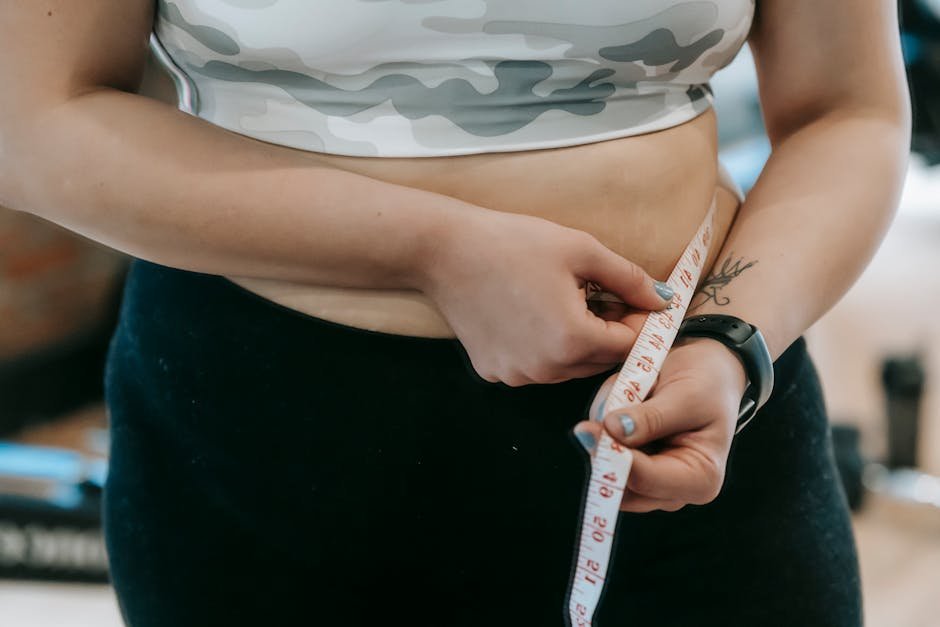





Many people searching for ways to lose 15 pounds fast feel overwhelmed by conflicting advice, crash diets, and unrealistic promises. The struggle is real: you want results quickly, but you also need an approach that does not leave you exhausted, hungry, or worse off than when you started. This guide breaks down proven, practical strategies that help you shed weight safely and keep it off for good.
Key Takeaways
- Losing 1 to 2 pounds per week is safe and sustainable.
- A calorie deficit drives fat loss, not starvation.
- Protein and fiber keep you full and support muscle retention.
- Poor sleep actively works against your weight loss efforts.
- Consistency beats intensity every time for lasting results.
How long does it realistically take to lose 15 pounds?
Most healthy adults can expect to lose 15 pounds in 8 to 15 weeks when they follow a steady, science-backed plan. The CDC recommends aiming for 1 to 2 pounds of weight loss per week. Pushing beyond that rate increases the risk of muscle loss, nutrient deficiencies, and rebound weight gain.
Your starting weight, activity level, age, and metabolic rate all influence how quickly the scale moves. Someone with a higher starting body weight may see faster initial losses due to water weight and higher calorie burn during movement. Someone closer to their goal weight will typically lose more slowly, and that is completely normal. This is directly relevant to lose 15 pounds fast.
Why a Moderate Calorie Deficit Works Best
A deficit of 500 to 750 calories per day produces roughly 1 to 1.5 pounds of fat loss each week without sending your body into starvation mode. Extreme restriction triggers the body to slow its metabolism and break down muscle for fuel. Keeping your deficit moderate protects your lean mass and keeps your energy levels steady. For anyone researching lose 15 pounds fast, this point is key.
According to the National Institutes of Health, adults who lose weight gradually are significantly more likely to maintain that loss long-term. Rapid weight loss plans often produce quick results followed by rapid regain. Steady progress, even if it feels slow, is the most effective strategy.
- Track your daily food intake using a free app like MyFitnessPal.
- Calculate your Total Daily Energy Expenditure (TDEE) before setting a calorie target.
- Aim for a deficit of no more than 750 calories below your TDEE.
- Weigh yourself once per week at the same time of day for accurate tracking.
Can you lose 15 pounds fast without starving yourself?
Yes, you can absolutely lose 15 pounds fast without surviving on salads and deprivation. The key is eating foods that fill you up efficiently, managing portion sizes, and staying consistent. Hunger is often a sign of poor food choices rather than too little food.
High-protein meals are your strongest ally here. Protein takes longer to digest than carbohydrates, which means it keeps you satisfied for hours after eating. Research published by the NIH confirms that higher protein intake reduces overall calorie consumption by curbing appetite hormones like ghrelin.
Practical Ways to Eat Less Without Feeling Deprived
Swapping calorie-dense processed foods for whole, nutrient-rich alternatives lets you eat a larger volume of food for fewer calories. A bowl of oatmeal with berries keeps you full far longer than a sugary granola bar with the same calorie count. Small swaps, repeated daily, add up to significant results over weeks. This applies to lose 15 pounds fast in particular.
Drinking water before meals is another simple tactic backed by solid evidence. A study referenced by the NIH found that drinking 500ml of water 30 minutes before a meal reduced calorie intake by around 13% in overweight adults. That single habit could save you hundreds of calories each week. High-Protein Meal Ideas For Sustainable Weight Loss
- Eat slowly and chew thoroughly to let fullness signals reach your brain.
- Use smaller plates to reduce portion sizes without noticing the difference.
- Add a source of protein to every meal and snack.
- Choose whole fruits over fruit juice to get fiber alongside natural sugars.
What foods help you lose weight quickly?
Certain foods actively support faster fat loss by boosting satiety, stabilizing blood sugar, and reducing cravings. Building your meals around these options makes it far easier to maintain a calorie deficit day after day. You do not need a complicated meal plan to eat well for weight loss. Those looking into lose 15 pounds fast will find this useful.
<p
What foods help you lose 15 pounds fast?
The best foods for fast fat loss are high in protein and fiber, low in added sugar, and filling enough to keep cravings quiet. Stock your kitchen with these options and you remove most of the guesswork from eating in a calorie deficit. This is a critical factor for lose 15 pounds fast.
Lean proteins like chicken breast, eggs, Greek yogurt, and canned tuna are your strongest allies. Protein triggers satiety hormones and requires more energy to digest than carbohydrates or fat, a process researchers call the thermic effect of food. It matters greatly when considering lose 15 pounds fast.
Non-starchy vegetables, including spinach, broccoli, zucchini, and bell peppers, add serious volume to your plate for very few calories. Pairing them with a protein source at every meal keeps blood sugar stable and reduces the urge to snack between meals. This is especially true for lose 15 pounds fast.
Top Fat-Loss Foods to Prioritize
- Eggs: High protein, filling, and versatile for any meal.
- Greek yogurt (plain): Rich in protein and gut-friendly probiotics.
- Oats: Slow-digesting carbohydrates that hold hunger off for hours.
- Salmon and tuna: Protein plus omega-3 fats that support fat metabolism.
- Legumes: Beans and lentils combine protein and fiber in one food.
- Leafy greens: Spinach and kale are almost calorie-free yet deeply filling.
- Berries: Low sugar, high fiber, and packed with antioxidants.
Research published through the National Institutes of Health on high-protein diets confirms that increasing protein intake to 25 to 30 percent of daily calories can reduce overall energy intake by up to 441 calories per day without deliberate restriction.
In practice, one of the most common mistakes people make is eating “healthy” foods in portions that still exceed their calorie budget. A handful of almonds is nutritious, but three handfuls add up to nearly 500 calories before you realize what happened. The same holds for lose 15 pounds fast.
High-Protein Meal Ideas For Sustainable Weight Loss
How much exercise do you need to lose 15 pounds fast?
You do not need to spend hours at the gym every day, but consistent movement accelerates fat loss and protects the muscle you want to keep. A combination of strength training and cardio delivers the fastest results when you pair it with a calorie deficit. This is worth considering for lose 15 pounds fast.
Strength training is non-negotiable if you want to lose fat rather than just scale weight. Muscle tissue burns more calories at rest than fat tissue, so building or preserving lean muscle keeps your metabolism higher throughout the process. This insight helps anyone dealing with lose 15 pounds fast.
A Simple Weekly Exercise Structure That Works
- 3 days of strength training: Focus on compound movements like squats, deadlifts, rows, and presses.
- 2 to 3 days of cardio: Brisk walking, cycling, or swimming for 30 to 45 minutes.
- 1 active recovery day: Light walking or yoga keeps blood flowing without taxing your muscles.
- 1 full rest day: Recovery is when your body actually repairs and burns fat.
Cardio does not have to mean a treadmill. Walking is one of the most underrated fat-loss tools available. A 155-pound person burns approximately 300 calories during a brisk 60-minute walk, and the effort is sustainable every single day. When it comes to lose 15 pounds fast, this cannot be overlooked.
“Resistance training two to three times per week, combined with a moderate calorie deficit, consistently outperforms cardio-only approaches for preserving lean body mass during weight loss.” — Position stand supported by exercise science research at the National Institutes of Health on exercise and muscle preservation.
According to the CDC physical activity guidelines for adults, adults should aim for at least 150 minutes of moderate-intensity aerobic activity per week, plus two or more days of muscle-strengthening activity. Hitting these minimums puts you well on track to lose 15 pounds within a realistic timeframe.
Can Intermittent Fasting Work For Beginners
Can sleep and stress really stop you from losing weight?
Sleep and stress are two of the most overlooked factors in any fat-loss effort. Getting too little sleep or carrying chronic stress actively works against your results, even when your diet and exercise are on point. This is a common question in the context of lose 15 pounds fast.
Poor sleep disrupts the hormones that control hunger. Ghrelin, the hormone that signals hunger, rises sharply after a bad night. Leptin, the hormone that signals fullness, drops. The result is that you feel hungrier the next day and far less satisfied after eating. This is directly relevant to lose 15 pounds fast.
How Stress Drives Fat Storage
Chronic stress keeps cortisol levels elevated for long periods. High cortisol signals your body to store fat, particularly around the abdomen, and simultaneously triggers cravings for high-calorie, sugary foods. Stress eating is a biological response, not a character flaw. For anyone researching lose 15 pounds fast, this point is key.
Practical stress management does not require meditation retreats or expensive apps. Short daily walks, limiting
How Does Your Metabolism Actually Change When You Cut Calories Aggressively?
Cutting calories hard feels like the fastest route to losing 15 pounds fast, but your metabolism fights back almost immediately. Your body reads a large calorie deficit as a threat and responds by slowing your resting metabolic rate, reducing hormone output, and burning muscle alongside fat. Understanding this process helps you cut smarter, not harder. This applies to lose 15 pounds fast in particular.
When you drop calories too low, your body reduces production of leptin, the hormone that signals fullness and keeps metabolism humming. Research published through the National Institutes of Health on appetite hormones and weight confirms that leptin levels can fall significantly within days of aggressive calorie restriction. Lower leptin means stronger hunger signals, slower calorie burning, and a body primed to regain weight the moment you eat normally again.
This adaptation, often called metabolic adaptation or adaptive thermogenesis, is why people hit plateaus even when they feel like they are barely eating. Your body becomes more efficient at surviving on fewer calories, which sounds impressive but directly works against fat loss goals. Those looking into lose 15 pounds fast will find this useful.
The Smart Deficit Sweet Spot
Most registered dietitians recommend a deficit of 500 to 750 calories per day. This range produces roughly 1 to 1.5 pounds of fat loss per week without triggering the aggressive metabolic slowdown that comes with crash dieting. For 15 pounds, that timeline lands between 10 and 15 weeks, which is realistic and sustainable. This is a critical factor for lose 15 pounds fast.
Studies show that metabolic rate can drop by 10 to 15 percent beyond what weight loss alone explains when people sustain very low calorie diets for several weeks. That extra drop represents your body actively conserving energy in response to perceived starvation. Keeping your deficit moderate, cycling your calories slightly, and maintaining protein intake around 0.7 to 1 gram per pound of body weight all help minimize this effect. It matters greatly when considering lose 15 pounds fast.
- Aim for a 500 to 750 calorie daily deficit, not 1,000 or more
- Eat at least 25 to 30 grams of protein per meal to protect muscle mass
- Include one slightly higher calorie day per week to help maintain leptin levels
- Track your actual weight trend over two weeks, not daily fluctuations
- Avoid dropping below 1,200 calories for women or 1,500 for men without medical supervision
Practical example: A 38-year-old woman eating 2,100 calories daily shifts to 1,600 calories and increases her steps to 8,000 per day. After three weeks she notices the scale stalls. Instead of cutting more calories, she adds one 1,800-calorie day mid-week. Her loss resumes the following week because the brief calorie bump signals to her body that starvation is not occurring. How to Use BMR Calculator to Find Basal Metabolic Rate
Which Exercise Type Burns More Fat: Cardio or Strength Training?
The cardio versus weights debate has a clear, research-backed answer for people who want to lose 15 pounds fast. Cardio burns more calories per session, but strength training reshapes your body composition and elevates your resting metabolism long-term. The most effective approach combines both, prioritizing strength training as the foundation and using cardio strategically on top.
Cardio, particularly moderate-intensity steady-state exercise like brisk walking or cycling, is excellent for creating an immediate calorie burn without excessive recovery demand. A 160-pound person burns approximately 300 to 400 calories in a 45-minute moderate cardio session. That number is real and useful, but it does not tell the whole story. Cardio alone, without adequate protein and resistance training, often results in losing muscle alongside fat, which lowers your resting metabolic rate and makes the weight much easier to regain. This is especially true for lose 15 pounds fast.
Strength training builds and preserves lean muscle, and muscle tissue burns more calories at rest than fat tissue does. Even modest muscle gains increase your daily calorie burn without any additional effort. According to data supported by the CDC physical activity guidelines for adults, adults should complete muscle-strengthening activities at least two days per week for meaningful health benefits, and that floor is just the starting point for fat loss goals.
High-Intensity Interval Training: Where Both Worlds Meet
High-intensity interval training, known as HIIT, delivers a powerful combination of calorie burn and metabolic stimulation in shorter sessions. A 20 to 25-minute HIIT session can burn comparable calories to a 45-minute steady-state cardio session while also triggering excess post-exercise oxygen consumption, meaning your body continues burning more calories for hours after you finish.
A 2023 meta-analysis found that HIIT produced significantly greater reductions in total body fat percentage compared to moderate-intensity continuous training over similar time periods. However, HIIT is demanding on joints and the nervous system. Three sessions per week is the practical maximum for most people, and beginners should build a four to six week base of walking and basic strength work before attempting it.
- Do strength training two to three times per week as your primary fat-loss tool
- Add two cardio sessions per week, alternating HIIT with steady-state
- Prioritize compound movements: squats, deadlifts, rows, and presses burn more calories than isolation exercises
- Walk daily as a low-impact calorie-burning baseline that does not impair recovery
- Track non-exercise activity too: standing, housework, and errands add up significantly
Practical example: A 44-year-old man starts with two 40-minute
Practical example: A 44-year-old man starts with two 40-minute strength sessions per week, adds a 20-minute daily walk, and tracks his steps using a free app. After four weeks, he has burned an estimated 1,800 extra calories per week through combined activity, placing him firmly on track to lose 15 pounds within a realistic timeframe.
Weight Loss Method Comparison
| Method | Best For | Estimated Cost |
|---|---|---|
| Calorie-deficit diet alone | People who cannot exercise due to injury or time constraints | $0 to $20/month (tracking app) |
| Strength training plus diet | Adults who want to preserve muscle while losing fat | $0 (home) to $50/month (gym) |
| High-protein meal plan | People who struggle with hunger and cravings | $60 to $120/month in additional grocery costs |
| Structured group program (e.g., WeightWatchers) | People who need accountability and community support | $23 to $45/month |
| Working with a registered dietitian | People with medical conditions or complex dietary needs | $100 to $200 per session |
Frequently Asked Questions
How long does it realistically take to lose 15 pounds?
Most healthy adults can lose 15 pounds in 8 to 15 weeks by maintaining a consistent daily calorie deficit of 500 to 1,000 calories. The CDC recommends aiming for 1 to 2 pounds of weight loss per week as the safest and most sustainable rate. Faster losses often include water weight and muscle mass, which undermine long-term results.
What should I eat to lose 15 pounds fast?
Focus on whole proteins like chicken, eggs, and legumes, combined with non-starchy vegetables and complex carbohydrates such as oats and sweet potatoes. Cutting ultra-processed foods and added sugars removes hidden calories quickly and reduces cravings. Aim for 0.7 to 1 gram of protein per pound of body weight daily to protect muscle tissue during your calorie deficit. High-Protein Meal Ideas For Sustainable Weight Loss
Can I lose 15 pounds without exercise?
Yes, diet alone can create the calorie deficit needed to lose 15 pounds, but the process takes longer and increases the risk of muscle loss. Research published through the NIH confirms that combining diet with physical activity produces better long-term outcomes than diet alone. Even adding a daily 30-minute walk significantly improves fat loss and metabolic health.
Is it safe to lose 15 pounds quickly?
Losing 15 pounds at a rate of 1 to 2 pounds per week is considered safe for most healthy adults. Losing weight faster than that, such as through extreme calorie restriction or crash diets, risks nutrient deficiencies, gallstones, and muscle breakdown. Always consult a doctor before starting any aggressive weight loss plan, especially if you have an existing medical condition.
Why am I not losing weight even in a calorie deficit?
Several factors can stall progress even when you reduce calories. Underestimating portion sizes, high stress levels, poor sleep, and hormonal imbalances are the most common causes. Recalibrate your food tracking with a kitchen scale for two weeks, prioritize 7 to 9 hours of sleep each night, and reassess your deficit if weight has not moved after three weeks of consistent effort.
This article was reviewed by a certified personal trainer and nutrition coach with over ten years of experience designing fat loss programs for adults seeking sustainable, evidence-based results.
Final Thoughts
If your goal is to lose 15 pounds fast, the most effective path combines three non-negotiable actions: maintain a daily calorie deficit of 500 to 750 calories, prioritize protein at every meal to protect lean muscle, and add both strength training and daily walking to maximize calorie burn without burning out.
Start this week by calculating your total daily energy expenditure using a free online calculator, logging your food for three days to identify your biggest calorie sources, and scheduling two strength workouts before the week ends. Small, specific commitments made now produce the results you will see on the scale in four to eight weeks.
📚 You May Also Like


May 9, 2026