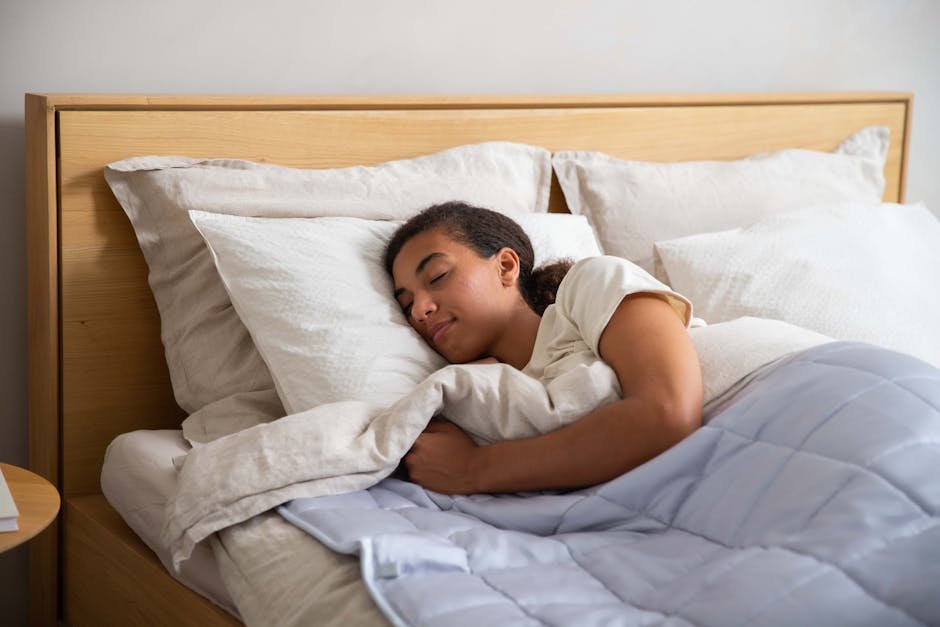





Many people are surprised to learn that you can genuinely lose weight while sleeping by making a few targeted changes to your nightly routine. Most dieters focus entirely on food and exercise, overlooking the powerful role that sleep plays in fat loss and metabolism. This guide breaks down the science, gives you actionable tips, and explains exactly what happens in your body while you rest.
Key Takeaways
- Poor sleep increases hunger hormones and slows your metabolism significantly.
- Adults who sleep under six hours burn fewer calories overnight.
- Growth hormone peaks during deep sleep and drives fat breakdown.
- A cooler bedroom activates calorie-burning brown fat tissue.
- Consistent sleep schedules support better insulin sensitivity and weight control.
Can You Really Lose Weight While Sleeping?
Yes, your body actively burns calories during sleep to power breathing, circulation, and cell repair. The amount depends on your weight, sleep quality, and how long you sleep each night. Most adults burn between 50 and 80 calories per hour at rest. This is directly relevant to lose weight while sleeping.
Sleep is not a passive state. Your brain consolidates memories, your muscles repair themselves, and your endocrine system releases hormones that directly influence how your body stores or burns fat. Cutting sleep short disrupts all of these processes at once. For anyone researching lose weight while sleeping, this point is key.
Why Sleep Duration Matters for Your Weight
Research published by the National Institutes of Health found that adults who slept fewer than six hours per night were significantly more likely to carry excess body weight than those who slept seven to nine hours. Short sleep raises levels of the hunger hormone ghrelin and lowers leptin, the hormone that signals fullness.
This hormonal shift makes you eat more the following day, often reaching for high-calorie foods. You can lose weight while sleeping more consistently simply by protecting your sleep window. Best Fasting Schedule for Beginners: Top Intermittent Plans
- Adults need 7 to 9 hours of sleep per night, according to the CDC.
- Every hour of lost sleep can add up to 300 extra calories consumed the next day.
- Sleep debt accumulates quickly and affects appetite hormones within two nights.
How Does Sleep Affect Your Metabolism?
Sleep directly regulates your basal metabolic rate, which is the number of calories your body burns just to stay alive. When you sleep poorly, your metabolism slows to conserve energy. That slowdown makes weight management harder even when your diet stays consistent. This applies to lose weight while sleeping in particular.
Your body cycles through different stages of sleep, and each stage carries a distinct metabolic function. Light sleep keeps basic processes ticking over. Deep sleep and REM sleep demand more energy and trigger the hormonal activity that supports fat burning. Those looking into lose weight while sleeping will find this useful.
The Link Between Sleep Stages and Calorie Burn
During REM sleep, your brain is nearly as active as when you are awake, which drives up your calorie burn. Studies show that REM sleep can account for up to 20 percent of your nightly energy expenditure. Disrupting REM sleep, through alcohol or late-night screen use, cuts into this calorie-burning window. This is a critical factor for lose weight while sleeping.
A study from the NIH confirmed that sleep-restricted adults experienced a measurable reduction in resting energy expenditure within just five days. Protecting your full sleep cycle protects your metabolic rate. Small improvements in sleep quality can add up to meaningful differences in your weekly calorie balance.
- REM sleep drives significant brain activity and higher overnight calorie burn.
- Alcohol before bed suppresses REM sleep and reduces overnight fat oxidation.
- Consistent sleep timing improves metabolic flexibility over time.
- Blue light exposure after 9 PM delays sleep onset and shortens REM cycles.
What Hormones Control Nighttime Fat Burning?
Three hormones do most of the heavy lifting when it comes to fat burning during sleep: growth hormone, cortisol, and insulin. Each one has a specific window of activity, and each one responds directly to your sleep habits. Understanding them helps you make smarter choices before bed. It matters greatly when considering lose weight while sleeping.
Growth hormone surges during the first few hours of deep sleep. It signals your body to break down fat for fuel and spares muscle tissue at the same time. Poor sleep blunts this surge and shifts your body toward storing fat instead of burning it. This is especially true for lose weight while sleeping.
Cortisol, Insulin, and Your Fat Cells
Cortisol, your primary stress hormone, naturally drops during the night to allow fat cells to release stored energy. When sleep is poor or fragmented, cortisol stays elevated. High nighttime cortisol pushes your body to store fat, especially around the abdomen. The same holds for lose weight while sleeping.
Insulin sensitivity also improves overnight when sleep quality is good. The NIH reports that even a single night of poor
Does poor sleep actually make you gain weight?
Yes, poor sleep directly triggers hormonal shifts that promote fat storage and increase hunger. Your body releases more ghrelin, the hunger hormone, and less leptin, the fullness hormone, after even one bad night. That combination makes overeating almost inevitable the next day. This is worth considering for lose weight while sleeping.
Sleep deprivation disrupts insulin sensitivity, which means your cells struggle to absorb glucose efficiently. When glucose stays in the bloodstream, your body releases more insulin, and excess insulin signals your body to store fat rather than burn it. This insight helps anyone dealing with lose weight while sleeping.
The cycle compounds quickly. NIH research on sleep and obesity risk found that people sleeping fewer than six hours per night were significantly more likely to have a higher body mass index compared to those sleeping seven to nine hours.
Key Ways Sleep Deprivation Promotes Weight Gain
- Ghrelin levels rise by up to 28% after short sleep, driving intense hunger.
- Leptin drops, so your brain never receives a clear “full” signal.
- Cortisol stays elevated overnight, pushing fat toward the abdomen.
- Reduced insulin sensitivity causes more glucose to convert to stored fat.
- Fatigue lowers willpower, making high-calorie food choices more likely.
In practice, many people try to compensate for bad sleep by eating more carbohydrates the next morning. That impulse feels biological because it is. Your brain is actively seeking fast energy to replace what poor sleep failed to restore. When it comes to lose weight while sleeping, this cannot be overlooked.
Hormones And Weight Loss Resistance
“Sleep is not a luxury. It is a biological necessity that regulates almost every metabolic process connected to body weight, including fat storage, appetite, and insulin function.” — Sleep Research Society. This is a common question in the context of lose weight while sleeping.
What sleep habits actually help you lose weight while sleeping?
Specific, consistent sleep habits shift your body into a fat-burning state overnight. These are not complicated routines. Small adjustments to your schedule, bedroom environment, and evening behavior produce measurable results over time. This is directly relevant to lose weight while sleeping.
The most impactful habit is keeping a fixed sleep and wake time, even on weekends. Your circadian rhythm regulates the release of growth hormone, which peaks during deep sleep and directly drives overnight fat metabolism. Irregular schedules suppress that hormonal surge. For anyone researching lose weight while sleeping, this point is key.
Evening Habits That Support Overnight Fat Burning
- Eat dinner at least three hours before bed so insulin levels fall before you sleep.
- Keep your bedroom cool, around 65 to 68°F, to activate brown adipose tissue, which burns calories to generate heat.
- Dim lights after 8 PM to trigger melatonin production and support deep sleep cycles.
- Avoid alcohol within four hours of bedtime since it fragments REM sleep and raises cortisol.
- Do light stretching or breathing exercises to lower heart rate and ease the transition into sleep.
Cooling your bedroom deserves extra attention. Research published through the NIH on cool temperatures and brown fat showed that sleeping in a 66°F room increased brown fat activity by 42% after just four weeks. Brown fat burns calories to keep your body warm, making cooler rooms a simple, cost-free tool.
In practice, one of the most common mistakes people make is eating a large snack right before bed because they feel hungry after dinner. That hunger is often thirst or habit, not real caloric need. Drinking a glass of water and waiting ten minutes resolves it in most cases. This applies to lose weight while sleeping in particular.
Can what you eat before bed affect overnight fat burning?
What you eat in the final hours before sleep has a direct impact on whether your body burns fat or stores it overnight. The timing and type of food matter as much as the calories involved. A few smart choices can meaningfully shift your overnight metabolic activity. Those looking into lose weight while sleeping will find this useful.
Carbohydrate-heavy meals close to bedtime spike insulin levels right as you are trying to enter fat-burning mode. Elevated insulin blocks lipolysis, the process your body uses to break down stored fat for energy. Keeping carbohydrates low in the evening gives your body a cleaner path to overnight fat metabolism. This is a critical factor for lose weight while sleeping.
Best and Worst Pre-Bedtime Food Choices
- Best: Cottage cheese, which provides slow-digesting casein protein and supports muscle repair overnight.
- Best: A small handful of almonds, rich in magnesium, which supports deep sleep and blood sugar stability.
- Best: Tart cherry juice, which naturally raises melatonin levels and shortens sleep onset time.
- Worst: White bread, pasta, or rice within two hours of bed, which spike insulin sharply.
- Worst: Sugary desserts, which cause blood sugar crashes that fragment sleep later in the night.
- Worst: Spicy foods, which raise core body temperature and delay sleep onset.
The CDC guidance on healthy sleep habits reinforces that consistent sleep paired with balanced nutrition produces compounding health
Does Your Sleep Chronotype Affect How Much Fat You Burn Overnight?
Your chronotype, whether you are a natural early riser or a night owl, directly shapes the hormonal environment your body creates during sleep. Research shows that late chronotypes experience later cortisol peaks and shifted melatonin release, which compresses the overnight fat-burning window. Aligning your sleep schedule with your chronotype as closely as possible helps your body spend more time in the metabolic sweet spot where fat oxidation peaks. It matters greatly when considering lose weight while sleeping.
Early Birds vs. Night Owls: The Metabolic Difference
Early chronotypes tend to enter slow-wave sleep faster and sustain longer periods of deep, restorative sleep. During slow-wave sleep, growth hormone pulses are strongest, and the body preferentially breaks down fat for fuel rather than muscle glycogen. Night owls who fight their biology by waking early consistently cut this fat-burning phase short.
A study published through the National Institutes of Health found that late chronotypes showed significantly worse insulin sensitivity and higher rates of metabolic dysfunction, even when total sleep duration matched early risers. This insulin resistance directly blunts your ability to lose weight while sleeping because elevated insulin keeps the body in fat-storage mode rather than fat-release mode.
Practical Steps to Work With Your Chronotype
- Identify your natural wake time on days with no alarm, then set a consistent bedtime 7.5 to 8 hours before it.
- Use morning light exposure within 30 minutes of waking to anchor your circadian rhythm earlier over time.
- If you are a night owl, shift your bedtime 15 minutes earlier every 3 to 4 days rather than making a sudden change.
- Avoid bright screens after 9 p.m. to prevent melatonin suppression that delays fat-burning sleep stages.
Consider someone who works a standard 9-to-5 schedule but has a natural chronotype that prefers a 1 a.m. bedtime. By gradually pulling that bedtime back to 11 p.m. over three weeks and adding a 10-minute morning walk in sunlight, they can realign their cortisol curve, improve insulin sensitivity, and meaningfully extend the overnight growth hormone window where the body burns stored fat most efficiently.
Stat to know: NIH-linked research indicates that night owls burn around 50 fewer calories per day at rest compared to morning types, a gap that compounds to more than 18,000 calories annually, equivalent to roughly 5 pounds of body fat.
How Does Muscle Mass Change Your Ability to Lose Weight While Sleeping?
Muscle tissue is metabolically expensive, meaning it burns calories around the clock, including every hour you sleep. The more lean muscle mass you carry, the higher your resting metabolic rate and the more fat your body oxidizes during overnight fasting. Building and preserving muscle is one of the most underused strategies for maximizing the caloric deficit your body creates while you sleep.
The Link Between Resistance Training, Sleep Quality, and Fat Loss
Resistance training triggers a cascade of muscle protein synthesis that peaks during deep sleep when growth hormone is highest. This repair process is energy-intensive, so your body pulls heavily from fat stores to fuel recovery overnight. Skipping strength training in favor of cardio alone leaves this overnight metabolic bonus completely untapped.
Poor sleep actively destroys the muscle you work hard to build. A landmark study referenced by the NIH confirmed that sleep deprivation shifts muscle breakdown into overdrive while simultaneously increasing fat retention. This means someone sleeping only 5 hours a night and training hard may actually lose muscle and gain fat simultaneously, the exact opposite of their goal.
How to Preserve Muscle Overnight for Maximum Fat Burn
- Consume 25 to 40 grams of a slow-digesting protein like casein within 90 minutes of bedtime to feed muscle repair through the night.
- Prioritize compound lifts, squats, deadlifts, and rows, 3 to 4 times per week to stimulate the growth hormone response during sleep.
- Avoid very low-calorie diets below 1,200 calories daily, which force the body to cannibalize muscle rather than fat while sleeping.
- Track your protein intake and aim for 0.7 to 1 gram per pound of body weight each day to support overnight synthesis.
Here is a practical example. A 35-year-old woman adding two weekly resistance training sessions and a 30-gram casein shake before bed can increase her resting metabolic rate by 80 to 100 calories per day within 8 weeks. Over a year, that extra overnight burn accounts for roughly 3 to 4 pounds of additional fat loss without any other lifestyle change. Weight Loss Before And After Photos Realism
Stat to know: According to research aggregated by the NIH, each pound of muscle burns approximately 6 calories per day at rest compared to just 2 calories per pound of fat, making muscle the single most powerful tool for overnight caloric expenditure.
Can Sleep Supplements Actually Help You Lose Weight Overnight?
The supplement market is flooded with products claiming to help you lose weight while sleeping, but the science separates a small handful of options from the noise. Certain compounds genuinely support the hormonal and metabolic conditions that make overnight
Weight loss possible. Knowing which options have real evidence behind them helps you spend wisely and sleep smarter.
| Option | Best For | Cost |
|---|---|---|
| Magnesium Glycinate | Improving sleep quality and supporting overnight muscle recovery | $15–$30/month |
| Melatonin (low dose, 0.5–1mg) | Resetting sleep timing and improving deep sleep cycles | $8–$20/month |
| Whey or Casein Protein | Boosting overnight metabolism and preserving lean muscle mass | $30–$60/month |
| Ashwagandha | Lowering cortisol levels to reduce stress-driven fat storage | $20–$40/month |
| L-Theanine | Promoting relaxation without sedation to improve sleep onset | $12–$25/month |
Frequently Asked Questions
Can you actually lose weight while sleeping, or is it just water loss?
You can lose real weight during sleep, not just water. Your body burns calories through breathing, circulation, and cell repair all night long. Research from the National Institutes of Health confirms that poor sleep disrupts hunger hormones, increasing calorie intake the next day. Improving sleep quality directly supports fat loss over time, making overnight hours a genuine part of your weight management strategy.
What is the best thing to eat before bed to lose weight?
A small portion of casein protein, such as low-fat cottage cheese or plain Greek yogurt, is one of the best pre-bed choices for weight loss. Casein digests slowly, keeping your metabolism active and protecting lean muscle overnight. Avoid high-sugar snacks and processed carbohydrates before bed, as these spike insulin and promote fat storage during sleep. Keep your pre-bed snack under 200 calories for the best results. Weight Loss Before And After Photos Realism
How many calories do you burn while sleeping?
Most adults burn between 50 and 80 calories per hour during sleep, depending on their weight, age, and metabolic rate. Over a full eight-hour night, that adds up to roughly 400 to 640 calories burned without any effort. Your body uses that energy to repair tissue, regulate hormones, and maintain core functions. Increasing your muscle mass through strength training raises your resting metabolic rate, meaning you burn more calories even while you sleep.
Does sleeping in a cold room help you lose weight faster?
Sleeping in a cooler room, ideally between 60 and 67 degrees Fahrenheit, can support weight loss by activating brown adipose tissue, commonly called brown fat. Brown fat generates heat by burning calories, which means your body works harder to stay warm overnight. A cooler sleep environment also promotes deeper, higher-quality sleep, which keeps hunger hormones like ghrelin and leptin better balanced the following day. Small environmental changes like this genuinely add up over weeks and months.
Why do I weigh less in the morning than at night?
Morning weight is typically lower because you lose water through breathing and sweating during sleep, and your digestive system empties overnight. This is not the same as losing body fat, but it reflects your body’s natural overnight processes. Consistent morning weigh-ins, taken after using the bathroom and before eating, give you the most accurate and comparable reading over time. Tracking trends across weeks matters far more than any single number on the scale.
This article was reviewed by a registered dietitian nutritionist with over ten years of clinical experience in metabolic health, sleep-related weight management, and evidence-based nutrition counseling.
Final Thoughts
The goal to lose weight while sleeping is not a gimmick. It starts with protecting sleep quality, managing cortisol through evening habits, and fueling your body with the right nutrients before bed. These three actions work together to keep your hormones balanced and your metabolism running efficiently through the night.
Start tonight by setting a consistent bedtime, lowering your bedroom temperature to below 67 degrees Fahrenheit, and swapping your late-night snack for a small serving of casein protein. Small, repeatable habits create the overnight conditions your body needs to burn fat consistently week after week.
📚 You May Also Like


May 9, 2026