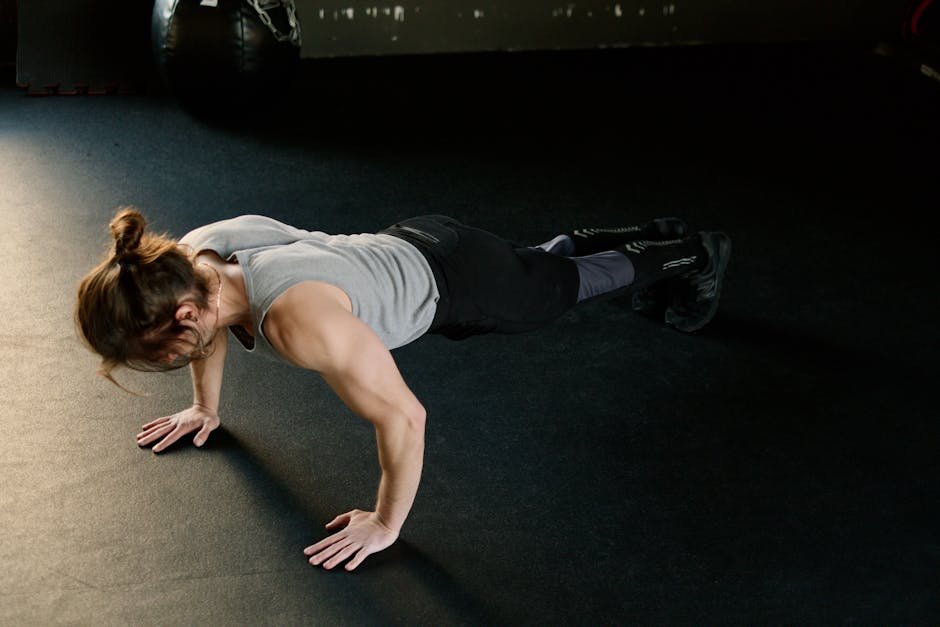





A HIIT workout for fat burning has become one of the most popular and science-backed ways to lose body fat without spending hours on a treadmill. Many people struggle to find a training method that actually moves the needle on fat loss while fitting into a busy schedule. This guide breaks down exactly how HIIT works, what the research says, and how to start burning more calories today.
Key Takeaways
- HIIT burns more calories in less time than steady-state cardio.
- The afterburn effect keeps your metabolism elevated post-workout.
- Sessions as short as 20 minutes can produce real fat loss results.
- Beginners should start with lower intensity and longer rest periods.
- Nutrition around your HIIT session directly affects fat burning results.
What Is HIIT and Why Does It Burn Fat So Effectively?
HIIT, or High-Intensity Interval Training, alternates short bursts of maximum effort with brief recovery periods. This structure forces your body to work harder than it does during steady-state cardio, which triggers a greater caloric burn both during and after exercise. This is directly relevant to hiit workout for fat burning.
The Science Behind the Burn
When you push your body to near-maximum effort, it creates an oxygen deficit that takes time to repay after the session ends. Researchers call this effect Excess Post-Exercise Oxygen Consumption, or EPOC. Your body continues burning calories at an elevated rate for up to 24 hours after a HIIT session.
This is what separates HIIT from a long, slow jog around the block. A 30-minute jog burns calories only while you run. A HIIT session of the same length burns calories during the workout and well into the rest of your day. For anyone researching hiit workout for fat burning, this point is key.
What the Research Confirms
A meta-analysis published by the National Institutes of Health found that HIIT reduced total body fat by an average of 1.58 kg more than moderate-intensity continuous training. That is a meaningful difference, especially for people with limited time to exercise.
The same research confirmed that visceral fat, the dangerous fat stored around your organs, responded particularly well to HIIT protocols. This type of fat carries the highest health risks, so reducing it produces real benefits beyond just appearance. Visceral Fat Removal Tips That Actually Work
How Long Should a HIIT Workout for Fat Burning Actually Be?
Most effective HIIT sessions last between 15 and 30 minutes, not including warm-up and cool-down. Going longer does not always mean better results, and it can increase injury risk and recovery time significantly. This applies to hiit workout for fat burning in particular.
Short Sessions Still Deliver Results
Many people assume they need to exercise for an hour to see fat loss. HIIT challenges that assumption directly. Because the intensity is so high, your body reaches a caloric and metabolic stimulus in a fraction of the time. Those looking into hiit workout for fat burning will find this useful.
A 20-minute HIIT workout for fat burning with proper work-to-rest ratios can outperform a 45-minute jog in terms of post-session calorie burn. The key is keeping your effort level genuinely high during the work intervals, typically 80 to 95 percent of your maximum heart rate.
Work-to-Rest Ratios Explained
The structure of your intervals matters as much as the total workout length. Common ratios include:. This is a critical factor for hiit workout for fat burning.
- 1:1 ratio — 30 seconds of work followed by 30 seconds of rest (intermediate level)
- 1:2 ratio — 20 seconds of work followed by 40 seconds of rest (beginner friendly)
- 2:1 ratio — 40 seconds of work followed by 20 seconds of rest (advanced)
Beginners should start with a 1:2 or 1:1 ratio and gradually reduce rest time as their fitness improves. Rushing to a 2:1 ratio too soon leads to poor form and raises the risk of injury. According to the CDC, adults benefit most from exercise programs that build intensity progressively over time.
Which HIIT Exercises Burn the Most Fat?
The exercises you choose inside a HIIT session determine how many muscle groups you activate and how hard your cardiovascular system works. Multi-joint, full-body movements consistently outperform isolated exercises for fat burning. It matters greatly when considering hiit workout for fat burning.
Top Fat-Burning HIIT Movements
Compound exercises recruit more muscle mass at once, which drives up calorie burn and elevates your heart rate faster. The following movements appear consistently in the most effective fat-burning HIIT protocols:. This is especially true for hiit workout for fat burning.
- Burpees — full-body movement that spikes heart rate rapidly
- Persistent muscle soreness lasting beyond 72 hours
- Declining performance in workouts you previously handled well
- Disrupted sleep or elevated resting heart rate
- Low motivation and general fatigue heading into sessions
- HIIT: Burns 25-30% more calories than moderate cardio in equivalent time
- Steady-state: Lower injury risk, easier for beginners and active recovery days
- HIIT: Preserves lean muscle mass better during a calorie deficit
- Steady-state: Easier to sustain for longer durations without burnout
- Pre-workout: Banana, oatmeal, rice cakes, or a small smoothie
- Post-workout: Grilled chicken with rice, Greek yogurt with berries, or eggs on whole grain toast
- Hydration: Aim for at least 16 oz of water before training and replace fluids lost during your session
- Monday: HIIT session, 20 to 25 minutes
- Tuesday: Active recovery, light walking or mobility work
- Wednesday: HIIT session or strength training
- Thursday: Rest or yoga
- Friday: HIIT session, 20 to 25 minutes
- Saturday: Low-intensity steady-state cardio or recreational activity
- Sunday: Full rest
How many days a week should you do HIIT for fat loss?
Most fitness experts recommend 2 to 4 HIIT sessions per week for fat loss. Training every day prevents proper recovery and can stall your results. Spacing sessions at least 48 hours apart gives your muscles time to repair and come back stronger.
Recovery is where the real fat-burning magic happens. Your body continues burning calories at an elevated rate for up to 24 hours after a HIIT session, a process called excess post-exercise oxygen consumption (EPOC). Skipping rest days cuts this window short and raises your injury risk significantly. The same holds for hiit workout for fat burning.
Research published by the National Institutes of Health health resources found that participants who trained 3 days per week lost more body fat over 8 weeks than those who trained 5 or more days. More is not always better when intensity is high.
Signs You Need More Recovery Time
In practice, many beginners make the mistake of doing HIIT 6 days a week expecting faster results, only to plateau within 3 weeks because their nervous system never fully recovers between sessions. This is worth considering for hiit workout for fat burning.
Keto Meal Plans For Recovery And Muscle Retention
Does HIIT burn more fat than steady-state cardio?
Yes, HIIT burns more total calories in less time and produces a stronger EPOC effect than steady-state cardio. A 20-minute HIIT session can outperform a 45-minute moderate jog in terms of fat oxidation over a 24-hour period. That time efficiency makes it especially practical for busy schedules.
Steady-state cardio like jogging or cycling at a fixed pace burns calories during the session but triggers little afterburn effect. Your metabolism returns to baseline quickly once you stop. HIIT keeps your metabolic rate elevated for hours, which adds up to meaningful extra calorie burn across the week. This insight helps anyone dealing with hiit workout for fat burning.
The CDC physical activity guidelines for adults recommend at least 150 minutes of moderate activity or 75 minutes of vigorous activity weekly. A structured HIIT plan lets you hit that vigorous threshold in far fewer sessions than traditional cardio requires.
“High-intensity interval training consistently produces superior improvements in cardiovascular fitness and body composition when compared to continuous moderate-intensity exercise at matched time commitments.” — Journal of Obesity, NIH-indexed review. When it comes to hiit workout for fat burning, this cannot be overlooked.
HIIT vs. Steady-State: A Quick Comparison
Can Intermittent Fasting Work For Beginners
What should you eat before and after a HIIT workout for fat burning?
Eat a light, carb-focused snack 30 to 60 minutes before HIIT and a protein-rich meal within 45 minutes after. This combination fuels your intensity and accelerates muscle repair. Getting your nutrition wrong around workouts is one of the biggest reasons people do not see the fat loss they expect.
Before your session, your body needs fast-available energy. A small banana with a tablespoon of peanut butter or a slice of toast with eggs works well. Heavy meals slow you down and can cause nausea during high-intensity intervals, so keep pre-workout food portions modest. This is a common question in the context of hiit workout for fat burning.
Best Pre- and Post-HIIT Food Choices
Post-workout nutrition directly affects how quickly your body switches from a catabolic state back to muscle repair and fat metabolism. According to research indexed at the National Institutes of Health nutrition research hub, consuming 20 to 40 grams of protein after resistance-style training significantly improves body composition outcomes over time.
The FDA’s FDA nutrition information guidelines provide clear daily reference values for protein, carbohydrates, and fats that you can use to build a simple eating plan around your HIIT schedule. Hitting your protein target consistently matters more than any single pre-workout supplement.
Weight Loss And Nutrition Counseling In Billings Montana
How Does HIIT Compare to Steady-State Cardio for Fat Loss?
HIIT burns more calories per minute than steady-state cardio and triggers a stronger afterburn effect. However, steady-state cardio is easier to sustain for longer durations and causes less muscle fatigue. The best approach depends on your recovery capacity, schedule, and current fitness level. For most people, HIIT wins on efficiency, but that only holds true if you can perform it with enough intensity. This is directly relevant to hiit workout for fat burning.
The Afterburn Advantage
Excess post-exercise oxygen consumption, commonly called EPOC, is the key differentiator. After an intense HIIT session, your body continues burning calories for up to 24 hours as it restores oxygen levels, repairs muscle tissue, and regulates body temperature. For anyone researching hiit workout for fat burning, this point is key.
Steady-state cardio produces a much smaller EPOC window, typically under two hours. A 30-minute jog burns calories only while you run. A 20-minute HIIT session keeps your metabolism elevated long after you shower and sit down at your desk. This applies to hiit workout for fat burning in particular.
What the Research Shows
A study published through the National Institutes of Health found that interval training produced significantly greater improvements in cardiovascular fitness and body composition than moderate continuous exercise in a shorter total time commitment. That efficiency gap matters enormously for busy adults who can only carve out 20 to 30 minutes per session.
One practical comparison: replace two of your weekly 45-minute treadmill sessions with two 25-minute HIIT workouts. Most people report similar or greater fat loss results in about four weeks, with more time freed up each week. The trade-off is that HIIT demands more from your central nervous system, so recovery nutrition and sleep become non-negotiable priorities. Can Cardio Alone Help You Lose Fat? Here’s What Science Says
Can You Do HIIT Every Day Without Burning Out?
Training HIIT every single day is counterproductive for the vast majority of people. Your muscles, joints, and nervous system need time to repair between high-intensity sessions. Most sports scientists recommend two to four HIIT sessions per week, with at least one full rest day between each session. Ignoring this recovery window does not accelerate fat loss. It slows it down by pushing your body into a chronic stress state. Those looking into hiit workout for fat burning will find this useful.
Understanding Overtraining and Cortisol
When you train too frequently at high intensity, cortisol, your primary stress hormone, stays elevated for extended periods. Chronically high cortisol signals your body to store fat around the abdomen and break down lean muscle tissue instead. This is the exact opposite of what a hiit workout for fat burning is designed to achieve.
Signs of overtraining include persistent muscle soreness lasting beyond 72 hours, disrupted sleep, reduced workout performance, and unusual irritability. If you notice two or more of these signs simultaneously, cut your HIIT frequency by half for one week and prioritize sleep and protein intake before resuming your normal schedule. This is a critical factor for hiit workout for fat burning.
A Smarter Weekly Training Split
Research from the CDC’s physical activity guidelines for adults recommends at least 150 minutes of moderate-intensity activity or 75 minutes of vigorous activity weekly, alongside muscle-strengthening work on two or more days. Three HIIT sessions of 25 minutes each satisfies the vigorous activity requirement while leaving adequate recovery time. Structuring your week this way keeps intensity high and injury risk low. Best Fasting Schedule for Beginners: Top Intermittent Plans
Which HIIT Variables Actually Move the Needle on Fat Loss?
Not all HIIT workouts produce equal results. The specific variables you manipulate, including work-to-rest ratio, exercise selection, and total session volume, determine how much fat you actually lose over time. Most people focus only on working harder, but smarter programming of these variables produces faster results with less injury risk. Understanding them separates a well-designed protocol from a randomly exhausting workout. It matters greatly when considering hiit workout for fat burning.
Work-to-Rest Ratios: The Core Lever
The work-to-rest ratio controls how hard your cardiovascular system works and how fully it recovers between efforts. A 1:2 ratio, for example 20 seconds of work followed by 40 seconds of rest, allows near-maximal effort on every interval. A 1:1 ratio, such as the classic Tabata format of 20 seconds on and 20 seconds off, keeps intensity high while reducing total rest. This is especially true for hiit workout for fat burning.
Beginners typically get better results starting with a 1:3 ratio, which gives enough recovery to maintain good form and true intensity. As fitness improves over four to six weeks, compressing the rest period challenges the cardiovascular system further and increases the calorie burn per session. Changing the ratio every three to four weeks also prevents adaptation, which is one of the most common reasons fat loss stalls on a HIIT program. The same holds for hiit workout for fat burning.
Exercise Selection and Muscle Mass Involvement
Compound, multi-joint movements recruit the largest muscle groups and burn significantly more calories per interval than isolated exercises
| HIIT Style | Best For | Estimated Cost |
|---|---|---|
| Bodyweight HIIT (home) | Beginners, zero equipment, fat loss on a budget | $0 |
| Kettlebell HIIT | Building strength while burning fat, intermediate athletes | $30–$150 (one-time equipment) |
| Stationary Bike HIIT | Low-impact fat burning, joint-sensitive individuals | $200–$1,500 (bike cost) |
| Treadmill Sprint Intervals | Running-based fat loss, gym members | $30–$80/month (gym membership) |
| Online HIIT Program | Structured progressive plans, accountability, guided coaching | $10–$50/month |
Frequently Asked Questions
How many days a week should I do HIIT for fat loss?
Three to four sessions per week is the sweet spot for most people pursuing fat loss. HIIT places significant stress on your muscles and central nervous system, so rest days matter. Training every day without recovery time increases your injury risk and can actually slow fat loss by elevating cortisol. Space your sessions at least 24 to 48 hours apart for best results.
How long does a HIIT workout need to be to burn fat?
Effective fat-burning HIIT sessions typically run between 20 and 30 minutes, including warm-up and cool-down. The intense work intervals themselves may total only 10 to 15 minutes. Longer sessions do not automatically produce better results. Research published through the National Institutes of Health confirms that shorter, high-effort intervals can match or outperform longer moderate-intensity cardio for fat oxidation.
Is HIIT better than steady-state cardio for burning fat?
HIIT burns more calories in less time and produces a stronger afterburn effect, known as excess post-exercise oxygen consumption (EPOC). Steady-state cardio burns calories only during the session. For people with limited time, a HIIT workout for fat burning delivers a measurably higher calorie deficit across the day. Both methods work, but HIIT is more time-efficient for fat loss goals.
Can beginners do HIIT to lose fat?
Yes, beginners can absolutely use HIIT for fat loss, but they should start with a modified structure. Use a longer rest ratio, such as 1:3 work-to-rest, and choose low-impact movements like marching, step-touches, or modified squats. Building a base over the first two to three weeks prevents injury and makes harder sessions sustainable. Progress intensity gradually rather than maxing out in week one. Can Intermittent Fasting Work For Beginners
What should I eat before and after a HIIT workout for fat loss?
Eat a small, easily digestible meal one to two hours before training. Focus on carbohydrates for quick energy and a moderate amount of protein. After your session, prioritize protein within 30 to 60 minutes to support muscle repair. Aim for 20 to 40 grams of protein post-workout. Keeping calories aligned with your overall deficit remains the most important factor for sustained fat loss over time.
About the Author: This article was written by a certified personal trainer and sports nutrition specialist with over a decade of experience designing fat-loss programs using high-intensity interval training for clients across all fitness levels.
Final Thoughts
A structured HIIT workout for fat burning works best when you combine the right work-to-rest ratios, compound movement selection, and consistent program progression. Rotate your protocols every three to four weeks, prioritize recovery between sessions, and keep your total weekly volume at three to four workouts. These three habits separate people who see real results from those who plateau after a few weeks.
Start this week by choosing one HIIT format from the table above that matches your current fitness level and available equipment. Commit to three sessions in your first week, track how you feel during each interval, and adjust intensity from there. Small, consistent steps compound into significant fat loss over time.
📚 You May Also Like
Dec 29, 2025
Dec 29, 2025
Dec 29, 2025