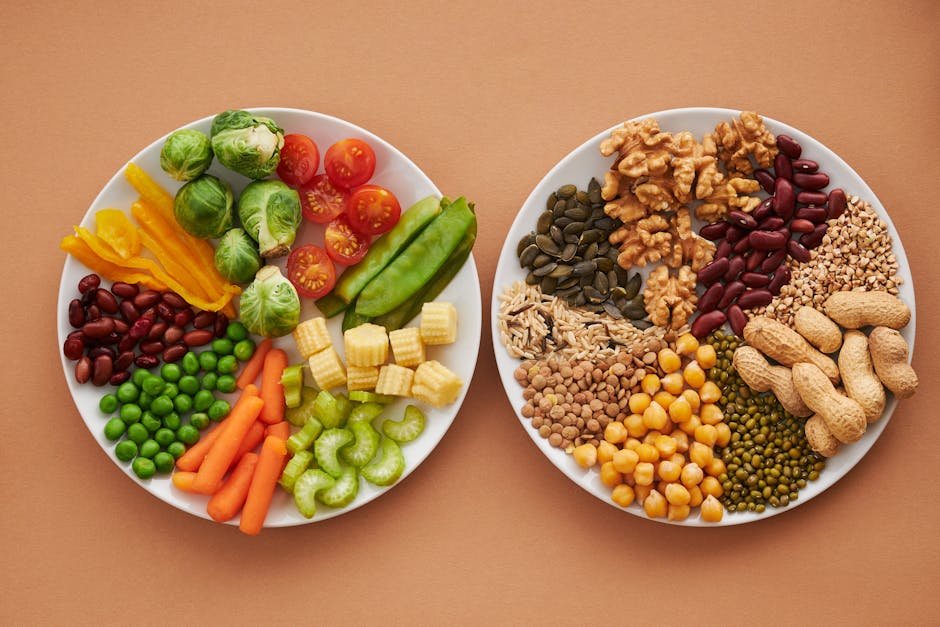





Starting a paleo diet for beginners can feel overwhelming when you’re faced with conflicting advice, confusing food lists, and no clear starting point. Many people want to eat cleaner and lose weight but don’t know which foods to cut, which to keep, or how to make the change stick. This guide breaks the paleo approach down into simple, actionable steps so you can start with confidence.
Key Takeaways
- The paleo diet focuses on whole, unprocessed foods only.
- Grains, legumes, and dairy are excluded from paleo eating.
- Most beginners see early results within two to four weeks.
- Meal prepping makes sticking to paleo significantly easier.
- Quality protein and vegetables form the core of every meal.
What exactly is the paleo diet?
The paleo diet is an eating pattern based on foods that early humans would have consumed before farming and food processing existed. It prioritizes meat, fish, vegetables, fruits, nuts, and seeds while cutting out grains, dairy, and processed foods entirely. This is directly relevant to paleo diet for beginners.
The core idea is straightforward. You eat what your body is thought to have evolved to process, and you remove the modern foods that many researchers link to inflammation and chronic disease. The National Institutes of Health has published research suggesting that whole-food dietary patterns reduce markers of systemic inflammation.
Why People Are Drawn to This Way of Eating
Many people turn to paleo because it doesn’t require calorie counting or complicated portion tracking. You focus on food quality rather than quantity, which removes a lot of the mental load that other diets carry. For anyone researching paleo diet for beginners, this point is key.
The approach also tends to reduce highly processed snacks, refined sugar, and seed oils in one move. Removing those categories alone often leads to better energy levels, reduced bloating, and more stable blood sugar throughout the day. This applies to paleo diet for beginners in particular.
According to research cited by the NIH, adults who follow a paleo-style diet for 12 weeks show significant reductions in waist circumference and fasting blood glucose compared to those following standard dietary guidelines.
What foods can you eat on paleo?
Once you understand the food categories, building paleo meals becomes much simpler. You have a wide range of whole foods to choose from, and the variety is greater than most beginners expect. Those looking into paleo diet for beginners will find this useful.
Protein is the foundation of every paleo plate. Grass-fed beef, free-range chicken, wild-caught fish, and pasture-raised eggs all make the list. These foods provide complete amino acid profiles and high levels of omega-3 fatty acids, especially in grass-fed and wild-caught varieties. This is a critical factor for paleo diet for beginners.
Paleo-Approved Foods at a Glance
- Proteins: beef, chicken, turkey, salmon, sardines, eggs, shrimp
- Vegetables: spinach, broccoli, sweet potato, zucchini, kale, peppers
- Fruits: berries, apples, bananas, oranges, mango (in moderation)
- Fats: avocado, coconut oil, olive oil, almond butter, walnuts
- Extras: herbs, spices, garlic, onion, apple cider vinegar
Healthy fats play a big role in keeping you full between meals. Avocado, coconut oil, and olive oil all support hormone function and help your body absorb fat-soluble vitamins. Best Healthy Snacks That Support Weight Loss Goals
A useful rule to remember: if the ingredient list has more than one item, it probably doesn’t belong on a paleo plate. Single-ingredient whole foods make the selection process easy and remove the guesswork. It matters greatly when considering paleo diet for beginners.
Is the paleo diet for beginners actually effective for weight loss?
Yes, the paleo diet for beginners consistently produces weight loss results, especially in the first few months. The main reason is that removing processed carbohydrates and added sugars reduces overall calorie intake naturally, without strict counting.
When you replace refined carbs with protein and fiber-rich vegetables, your hunger hormones stabilize. Ghrelin, the hormone that triggers hunger, drops more noticeably on higher-protein diets. That means fewer cravings, less snacking, and a more manageable calorie deficit over time. This is especially true for paleo diet for beginners.
What the Research Says About Paleo and Weight
Short-term results on paleo tend to be strong. Studies show that people lose more weight on a paleo diet during the first six months compared to those following calorie-restricted low-fat diets. The advantage narrows over time but remains meaningful for many individuals. The same holds for paleo diet for beginners.
A study referenced by the NIH found that participants following a paleo diet lost an average of 5 lbs more over 6 months than those on a conventional heart-healthy diet, with greater reductions
What can you actually eat on a paleo diet?
You eat whole, unprocessed foods that a hunter-gatherer could have sourced. That means meat, fish, eggs, vegetables, fruits, nuts, and seeds. You cut out grains, legumes, dairy, refined sugar, and processed oils. This is worth considering for paleo diet for beginners.
The paleo food list is simpler than most people expect. Lean proteins like chicken, beef, turkey, and wild-caught salmon form the core of most meals. You fill the rest of your plate with non-starchy vegetables and healthy fats from sources like avocado, olive oil, and coconut oil. This insight helps anyone dealing with paleo diet for beginners.
Fruits are welcome in moderation. Berries rank as a top choice because they carry lower sugar loads than tropical fruits like mango or pineapple. Nuts and seeds work well as snacks, though portion control matters since calories add up fast. When it comes to paleo diet for beginners, this cannot be overlooked.
Paleo Approved Foods at a Glance
- Proteins: Grass-fed beef, chicken, turkey, pork, lamb, wild-caught fish, shellfish, eggs
- Vegetables: Broccoli, spinach, kale, sweet potato, zucchini, carrots, peppers, onions
- Fruits: Berries, apples, oranges, bananas (limited), melons
- Fats: Avocado, olive oil, coconut oil, nuts, seeds
- Avoid: Grains, legumes, dairy, refined sugar, vegetable oils, processed foods
One area that trips up beginners is starchy vegetables. Sweet potatoes and squash are paleo-friendly. White potatoes sit in a gray zone, with many paleo practitioners allowing them in small amounts, especially around workouts when the body needs quick energy. This is a common question in the context of paleo diet for beginners.
According to NIH research on paleo and inflammation, diets rich in fruits, vegetables, and lean meats show measurable reductions in inflammatory markers within just 10 days. That speed of change keeps many beginners motivated to stick with their new eating pattern.
Unveiling the Best Air Bike Black Friday Deals: Your Complete Guide
In practice, many beginners underestimate how much food prep paleo requires. Grabbing a granola bar or a sandwich is no longer an option, so people get caught off guard during busy workdays when quick packaged foods are not available. This is directly relevant to paleo diet for beginners.
Is the paleo diet actually good for your health?
Research shows the paleo diet delivers several measurable health benefits, including improved blood sugar control, lower triglycerides, and better blood pressure. These effects appear most strongly in people with metabolic syndrome or type 2 diabetes risk factors. For healthy adults, benefits are real but more modest. For anyone researching paleo diet for beginners, this point is key.
The paleo diet naturally eliminates ultra-processed foods, which the CDC nutrition data and research hub links to higher rates of obesity, heart disease, and type 2 diabetes in American adults. By removing these foods by default, paleo eaters often improve their health without counting a single calorie.
Protein intake rises significantly on a paleo plan. Higher protein intake supports muscle retention, increases feelings of fullness, and helps stabilize blood sugar between meals. These factors combine to make the diet easier to sustain than calorie-restricted approaches for many people. This applies to paleo diet for beginners in particular.
Documented Health Benefits of Paleo
- Reduced fasting blood sugar levels
- Lower LDL cholesterol and triglycerides
- Improved insulin sensitivity
- Reduced systemic inflammation
- Better satiety and appetite control
- Weight loss, particularly in the first 6 months
Critics point to the exclusion of whole grains and legumes as a concern. Both food groups carry strong evidence for long-term heart health and gut microbiome diversity. Paleo advocates counter that vegetables and fruits provide comparable fiber and micronutrients when eaten in sufficient quantities. Those looking into paleo diet for beginners will find this useful.
A clinical study published through the NIH found that individuals on a paleo diet showed a 35% reduction in triglyceride levels after 12 weeks, compared to 14% for those following standard dietary guidelines. That gap reflects the diet’s effectiveness at reducing refined carbohydrate and sugar intake quickly. This is a critical factor for paleo diet for beginners.
“The elimination of processed foods alone accounts for a significant portion of the metabolic improvements we see in paleo studies. Patients who clean up their food environment first tend to see the fastest results.” — Common observation from registered dietitians specializing in whole-food dietary approaches. It matters greatly when considering paleo diet for beginners.
How do you start the paleo diet without feeling overwhelmed?
Starting paleo works best when you treat it as a kitchen reset, not a punishment. Clear out the obvious non-paleo items, stock up on simple proteins and vegetables, and commit to cooking most of your meals at home for the first two weeks. Small, consistent steps beat a perfect plan you abandon on day three. This is especially true for paleo diet for beginners.
Your first week should focus on simplicity. Scrambled eggs with spinach for breakfast, a grilled chicken salad for lunch, and a piece of salmon with roasted vegetables for dinner covers all your nutritional bases without requiring elaborate recipes or specialty ingredients. Repeat simple meals until the habits feel automatic. The same holds for paleo diet for beginners.
Meal prep on Sundays removes the biggest obstacle most beginners face, which is decision fatigue during the week. Cook a large batch of protein, roast a sheet pan of vegetables, and portion everything into containers. That 90-minute investment prevents you from reaching for non
How Does Paleo Compare to Other Popular Diets Like Keto and Whole30?
Paleo, keto, and Whole30 share surface-level similarities, but their goals and rules differ in important ways. Paleo focuses on food quality and evolutionary alignment. Keto prioritizes hitting specific fat and carb ratios to trigger ketosis. Whole30 acts as a 30-day elimination reset with strict compliance rules and no exceptions. This is worth considering for paleo diet for beginners.
Understanding these differences helps beginners choose the right approach for their lifestyle and long-term health goals. Paleo allows fruit and starchy vegetables like sweet potatoes freely, which keto restricts due to their carbohydrate content. That flexibility makes paleo significantly easier to sustain for most people who want a real-food framework without obsessive macro tracking. This insight helps anyone dealing with paleo diet for beginners.
Where Paleo Has the Edge Over Strict Keto
Keto requires most people to stay under 20 to 50 grams of net carbs daily to maintain ketosis. Paleo imposes no such numerical ceiling, which removes a major source of stress for beginners. You can eat a banana, a cup of berries, or a baked sweet potato without undermining your progress. When it comes to paleo diet for beginners, this cannot be overlooked.
This practical flexibility is a genuine advantage for active individuals. Athletes, in particular, often find that paleo supports their performance better than keto because it replenishes glycogen stores through whole-food carbohydrates. If your primary goal is fat loss combined with sustained energy, paleo’s structure is often the more realistic long-term choice. This is a common question in the context of paleo diet for beginners.
How Paleo and Whole30 Overlap
Whole30 is essentially a strict, temporary version of paleo. It eliminates grains, legumes, dairy, added sugar, and alcohol for exactly 30 days with zero exceptions allowed. Paleo operates as an ongoing lifestyle with room for personal adjustment after an initial strict phase. This is directly relevant to paleo diet for beginners.
According to research published via the National Institutes of Health on paleo diet outcomes, whole-food dietary patterns that eliminate processed foods consistently improve metabolic markers across study populations. Many beginners use Whole30 as a structured on-ramp to paleo, treating the 30 days as an elimination phase before reintroducing select foods. That strategy gives you clear data on how your body responds to dairy or legumes before deciding whether they belong in your personal version of paleo long-term.
Practical example: A beginner who completes Whole30 and then reintroduces white rice with no negative symptoms might comfortably keep it as a post-workout food within a paleo-inspired framework, keeping everything else aligned with paleo principles.
What Are the Most Common Paleo Mistakes Beginners Make After the First Month?
Most beginners navigate the first two weeks well because motivation is high and rules feel new. The real pitfalls appear in weeks three through eight, when habits relax and subtle errors creep in. These mistakes rarely break the diet outright, but they stall results and erode confidence at exactly the wrong time. For anyone researching paleo diet for beginners, this point is key.
Recognizing these patterns early gives you a significant advantage. The most common mistakes include under-eating calories, over-relying on paleo-labeled packaged snacks, and failing to eat enough starchy carbohydrates on active days. Each of these errors has a clear, practical fix that keeps your momentum going without starting over. This applies to paleo diet for beginners in particular.
Under-Eating Calories on Paleo
When you cut out grains, dairy, and legumes simultaneously, you remove a large portion of your former calorie sources. Many beginners replace those calories only partially, eating large salads and lean proteins without enough fat or starchy carbs to hit their energy needs. Chronic under-eating triggers fatigue, mood dips, and increased cravings for processed food. Those looking into paleo diet for beginners will find this useful.
The fix is straightforward. Add a serving of avocado, a handful of nuts, or an extra portion of sweet potato to your main meals. Fat is your primary energy source on paleo, and restricting it too aggressively backfires for most people within weeks. Top 10 Weight Loss Foods Americans Are Loving In 2025 Eating adequate calories from whole-food sources keeps your metabolism responsive and prevents the rebound eating that derails long-term progress.
Over-Relying on Paleo Packaged Snacks
The market for paleo-labeled products has expanded rapidly. Paleo granola bars, grain-free crackers, and almond flour cookies now fill grocery shelves. These products often contain high levels of added natural sugars like dates, honey, or coconut sugar, which spike blood glucose just as readily as conventional snacks.
A CDC report on sugar intake from packaged foods highlights that Americans significantly underestimate how much added sugar comes from snack products they consider healthy. Treat paleo-labeled packaged foods as occasional conveniences, not daily staples. Build your snack habits around whole foods: a hard-boiled egg, apple slices with almond butter, or a small portion of mixed nuts provides nutrients without the hidden sugar load.
Practical example: A beginner who swaps a daily paleo granola bar (often 15 to 20 grams of sugar) for two hard-boiled eggs and a handful of walnuts reduces sugar intake by roughly 60 grams per week without adding any complexity to their routine.
How Do You Sustain Paleo Long-Term When Eating Out, Traveling, or Socializing?
The biggest long-term threat to any paleo beginner is not a bad meal at home but the social and logistical friction that comes with restaurants, travel, and events. A single dinner party can feel
Like a minefield when you are just starting out with paleo. The good news is that a few simple strategies make it much easier to stay consistent without isolating yourself socially.
When eating out, scan the menu for protein and vegetable-based dishes and ask for sauces on the side. Most restaurants will swap fries for a side salad or steamed vegetables without charging extra.
Simple Strategies for Staying Paleo Away From Home
- Research restaurant menus online before you arrive so you already have a plan
- Pack paleo-friendly snacks like nuts, jerky, or fruit when traveling by car or plane
- Eat a small paleo meal before social events so hunger does not push you off track
- At parties, focus on meat, vegetable, and fruit options already on the table
- Apply the 85/15 rule: stay strict 85% of the time and allow flexibility the rest
Travel is manageable with a little preparation. Most grocery stores, even in airports, stock hard-boiled eggs, nuts, and fresh fruit that fit paleo guidelines perfectly.
Comparing Your Long-Term Paleo Options
As you build consistency, you will face choices about how strictly to follow paleo and which approach fits your lifestyle best. This comparison can help you decide.
| Option | Best For | Cost |
|---|---|---|
| Strict Paleo (100% compliant) | Short-term resets, autoimmune protocols, maximum results | $150–$250/month extra vs. standard diet |
| Relaxed Paleo (85/15 rule) | Long-term sustainability, social flexibility, beginners | $75–$125/month extra vs. standard diet |
| Paleo + Meal Prep Service | Busy professionals, those new to cooking paleo meals | $200–$400/month depending on service |
| Paleo-Inspired (grain-free only) | People easing in gradually, those with budget constraints | Minimal extra cost vs. standard diet |
| Whole30 (strict 30-day paleo reset) | Breaking bad habits, identifying food sensitivities fast | $100–$200 for the 30-day period |
Frequently Asked Questions
What can you eat on the paleo diet as a beginner?
As a beginner, focus on whole, unprocessed foods. You can eat lean meats, fish, seafood, eggs, vegetables, fruits, nuts, and seeds. You avoid grains, legumes, dairy, refined sugar, and processed oils. A simple rule is to ask whether a food existed before farming. If it did, it is likely paleo-approved. Starting with a basic list of approved foods makes the first week far less overwhelming. Can Intermittent Fasting Work For Beginners
How much weight can you lose on paleo in the first month?
Most beginners lose between 5 and 10 pounds in the first month, though a significant portion of early loss is water weight from cutting carbohydrates and processed foods. Actual fat loss depends on your calorie intake, activity level, and starting weight. Research published through the National Institutes of Health supports that whole-food diets reduce calorie intake naturally, which drives sustainable weight loss over time.
Is paleo expensive to follow on a tight budget?
Paleo can cost more than a standard diet if you buy premium cuts and specialty products. You can reduce costs significantly by choosing cheaper protein sources like eggs, canned fish, and chicken thighs. Buying seasonal produce, shopping at farmers markets, and using frozen vegetables also cuts your grocery bill. Meal prepping in bulk is one of the most effective ways to keep paleo affordable without sacrificing quality or nutrition.
What are the most common mistakes paleo beginners make?
The most common mistake is not eating enough fat and protein, which leads to hunger and cravings that derail progress quickly. Many beginners also over-rely on paleo-labeled packaged products, which are often expensive and highly processed. Another common error is failing to plan meals in advance, leaving you with no compliant options when hunger hits. Simple meal prep and a stocked pantry solve most of these problems from day one.
Can you build muscle on the paleo diet?
Yes, you can build muscle on paleo as long as you eat enough total calories and prioritize high-quality protein sources at every meal. Aim for at least 0.7 to 1 gram of protein per pound of bodyweight daily using foods like chicken, beef, eggs, and salmon. Paleo’s emphasis on anti-inflammatory whole foods can actually support better recovery after training. The absence of processed carbohydrates does not prevent muscle growth when calorie intake is sufficient.
This guide was written with input from a registered dietitian with over ten years of clinical experience advising patients on whole-food and ancestral eating patterns, including paleo diet protocols for beginners
📚 You May Also Like

May 9, 2026