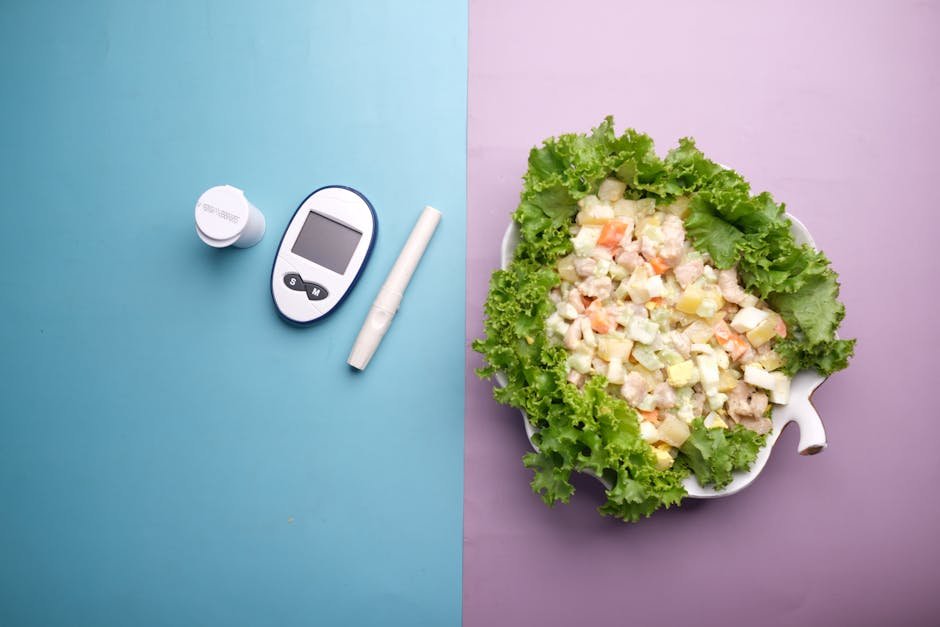





Trying to lose weight with diabetes is one of the most common health goals among Americans managing the condition, yet it comes with a unique set of challenges that go beyond simply eating less. Blood sugar fluctuations, medication side effects, and conflicting advice can make the process feel overwhelming. This guide breaks down safe, effective strategies so you can move forward with confidence.
Key Takeaways
- Losing weight can significantly improve blood sugar control in diabetics.
- A moderate calorie deficit works better than extreme restriction.
- Low-glycemic foods help manage hunger and stabilize glucose levels.
- Regular physical activity improves insulin sensitivity over time.
- Always coordinate any weight loss plan with your healthcare provider.
Can You Lose Weight With Diabetes?
Yes, you can absolutely lose weight with diabetes, and doing so often improves the condition itself. Even a modest reduction in body weight, around 5% to 10%, can lower blood sugar, reduce medication needs, and cut the risk of serious complications. The key is using an approach that accounts for how diabetes affects your metabolism.
Many people assume that diabetes makes weight loss impossible, but research does not support that belief. The CDC confirms that losing weight is one of the most effective tools for managing type 2 diabetes. The process simply requires more careful planning than it might for someone without the condition.
Blood sugar management sits at the center of any successful plan. When glucose levels spike and crash repeatedly, your body stores more fat and hunger signals become harder to control. Stabilizing blood sugar first makes every other weight loss step easier. This is directly relevant to lose weight with diabetes.
What the Research Shows
- A 5% to 10% weight reduction can lower HbA1c by up to 1%.
- Weight loss reduces the risk of diabetes-related heart disease.
- Some people with type 2 diabetes achieve remission through significant weight loss.
- Calorie deficits of 500 to 750 calories per day are considered safe for most diabetics.
According to the National Institutes of Health, participants in the Look AHEAD trial who lost at least 10% of their body weight saw substantial improvements in cardiovascular risk factors. That finding reinforces how much weight loss matters for people managing diabetes.
Affordable Weight Loss Program In Cheyenne Wyoming
What Should You Eat to Lose Weight With Diabetes?
Food choices affect both your calorie intake and your blood sugar, so nutrition does double duty when you have diabetes. Eating the right foods helps you create a calorie deficit without triggering the glucose spikes that make cravings worse. You do not need a perfect diet, just a consistent one. For anyone researching lose weight with diabetes, this point is key.
Low-glycemic carbohydrates are your best ally. Foods like legumes, non-starchy vegetables, and whole grains digest slowly, which keeps blood sugar steadier and keeps you feeling full longer. Pairing carbohydrates with protein or healthy fat slows glucose absorption even further. This applies to lose weight with diabetes in particular.
Foods That Support Weight Loss and Blood Sugar Control
- Non-starchy vegetables: broccoli, spinach, zucchini, peppers.
- Lean proteins: chicken breast, fish, eggs, tofu.
- Healthy fats: avocado, olive oil, nuts in moderate portions.
- High-fiber carbs: lentils, chickpeas, oats, quinoa.
- Limit: white bread, sugary drinks, processed snacks, and fried foods.
Portion size matters just as much as food type. The American Diabetes Association recommends filling half your plate with non-starchy vegetables, one quarter with lean protein, and one quarter with quality carbohydrates. This simple structure supports weight loss without requiring calorie counting at every meal. Those looking into lose weight with diabetes will find this useful.
Research published through the NIH found that a Mediterranean-style eating pattern reduced body weight and HbA1c more effectively than a standard low-fat diet in adults with type 2 diabetes. Adopting similar principles, including plenty of vegetables, fish, and olive oil, gives you a solid nutritional foundation.
How Does Exercise Help Blood Sugar and Weight?
Physical activity is one of the fastest ways to improve insulin sensitivity, which directly supports your ability to lose weight with diabetes. When muscles contract during exercise, they absorb glucose from the bloodstream without needing insulin. That process lowers blood sugar and helps your body use energy more efficiently.
You do not need to train like an athlete to see results. Even 150 minutes of moderate activity per week, such as brisk walking, cycling, or swimming, produces measurable improvements in both weight and blood sugar control. The <a href="https://www
Can you lose weight with diabetes without giving up carbs entirely?
Yes, you can lose weight with diabetes without cutting out all carbohydrates. The key is choosing the right types and controlling portions. Whole, fiber-rich carbs digest slowly, which prevents blood sugar spikes and keeps you fuller for longer.
Not all carbohydrates behave the same way in your body. White bread, sugary drinks, and processed snacks cause rapid glucose spikes that trigger insulin release and promote fat storage. Swapping these for oats, legumes, sweet potatoes, and non-starchy vegetables gives your body steady energy without the blood sugar rollercoaster. This is a critical factor for lose weight with diabetes.
Portion size matters just as much as food type. A simple method many dietitians recommend is the plate method. Fill half your plate with non-starchy vegetables, one quarter with lean protein, and one quarter with a quality carbohydrate source. It matters greatly when considering lose weight with diabetes.
What Counts as a Low-Glycemic Carb?
- Oats and barley: slow-digesting grains that support steady blood sugar
- Lentils and chickpeas: high in fiber and plant-based protein
- Sweet potatoes: more nutrient-dense than white potatoes
- Berries: lower in sugar than most fruits, rich in antioxidants
- Non-starchy vegetables: broccoli, spinach, peppers, and zucchini
Research published by the National Institutes of Health on low-glycemic diets found that people with type 2 diabetes who followed a low-glycemic index eating plan reduced their HbA1c levels by an average of 0.5%, alongside meaningful reductions in body weight. That may sound modest, but for someone managing diabetes, every improvement in HbA1c reduces the risk of long-term complications.
How Can I Control Emotional Eating During Stress
“Carbohydrate quality matters far more than carbohydrate quantity alone. Patients who switch from refined grains to fiber-rich whole foods often see significant improvements in both weight and glucose levels within just eight to twelve weeks.” — Registered Dietitian Nutritionist specializing in metabolic health. This is especially true for lose weight with diabetes.
How does sleep affect your ability to lose weight with diabetes?
Poor sleep directly undermines your efforts to lose weight with diabetes. When you sleep fewer than seven hours a night, your body produces more ghrelin, the hunger hormone, and less leptin, which signals fullness. This combination drives overeating and makes blood sugar harder to control.
Sleep deprivation also raises cortisol levels. Elevated cortisol promotes fat storage, particularly around the abdomen, which is already a high-risk area for people with type 2 diabetes. One bad night can temporarily reduce insulin sensitivity, meaning your cells respond less effectively to the insulin your body produces. The same holds for lose weight with diabetes.
Practical Steps to Improve Sleep Quality
- Set a consistent bedtime and wake time, even on weekends
- Avoid screens for at least 30 minutes before bed to reduce blue light exposure
- Keep your bedroom cool and dark to support melatonin production
- Limit caffeine after 2 p.m., as it can stay active in your system for six hours
- Avoid large meals within two hours of sleeping to reduce nighttime glucose spikes
The CDC sleep guidelines for adults recommend at least seven hours of quality sleep per night for optimal health. Adults with diabetes who consistently sleep fewer than six hours show significantly higher fasting blood glucose levels compared to those who meet the recommended target, according to data reviewed by the CDC.
In practice, many people with diabetes underestimate how much poor sleep sabotages their weight loss efforts. They stay disciplined with food and exercise, then wonder why the scale refuses to move. Addressing sleep is often the missing piece that unlocks real progress. This is worth considering for lose weight with diabetes.
Is intermittent fasting safe when you want to lose weight with diabetes?
Intermittent fasting can be effective for people who want to lose weight with diabetes, but it requires careful management, especially if you take insulin or sulfonylureas. These medications can cause blood sugar to drop dangerously low during a fasting window if doses are not adjusted.
The most common approach is the 16:8 method, where you eat within an eight-hour window and fast for sixteen hours. For many people with type 2 diabetes, this naturally reduces calorie intake, improves insulin sensitivity, and supports steady weight loss without requiring strict calorie counting. This insight helps anyone dealing with lose weight with diabetes.
Who Should Be Cautious With Intermittent Fasting?
- Insulin users: fasting windows can cause hypoglycemia without dose adjustments
- People on sulfonylureas: these drugs stimulate insulin release regardless of food intake
- Pregnant or breastfeeding individuals: increased nutritional needs make fasting risky
- Anyone with a history of disordered eating: structured fasting may trigger unhealthy patterns
A review of clinical evidence highlighted by the <a href="https://www.nih.gov/news-events/nih-research-matters/intermittent-fasting-
How Does Meal Timing Affect Blood Sugar When You Have Diabetes?
Meal timing matters as much as meal content when you want to lose weight with diabetes. Eating at consistent times each day helps your body regulate insulin response and prevents the blood sugar spikes that trigger fat storage. Research shows that front-loading calories earlier in the day, rather than eating a large dinner, improves glycemic control and supports weight loss simultaneously.
Why Earlier Eating Windows Work Better
Your body processes carbohydrates more efficiently in the morning than at night. Insulin sensitivity is naturally higher earlier in the day, which means the same meal eaten at 8 a.m. causes a smaller blood sugar spike than the same meal eaten at 8 p.m. This circadian rhythm effect is well-documented and directly relevant to anyone managing type 2 diabetes.
Shifting your largest meal to midday and keeping dinner light can reduce your A1C over time without changing what you eat, only when you eat it. This strategy also tends to reduce total calorie intake naturally, because late-night hunger driven by poor daytime eating patterns decreases significantly. How Can I Control Emotional Eating During Stress
Practical Example: The Front-Loading Approach
Consider a person with type 2 diabetes who eats 600 calories at breakfast, 700 at lunch, and 400 at dinner instead of their previous pattern of skipping breakfast and eating 1,100 calories at night. Within 12 weeks, this shift alone can reduce post-meal glucose peaks by 15 to 20 percent, even without changing total calories consumed.
A study published through NIH Research Matters on time-restricted eating found that participants who aligned eating windows with daylight hours lost more body weight and improved metabolic markers compared to those eating the same foods across a wider daily window. Timing, not just content, drives real results.
Key stat: People with type 2 diabetes who ate 50% of their daily calories before 1 p.m. showed a 4.3% greater reduction in fasting blood glucose compared to evening-heavy eaters, according to research cited by the NIH.
- Eat breakfast within 1 to 2 hours of waking to anchor your metabolic clock
- Make lunch your largest meal of the day, not dinner
- Stop eating at least 3 hours before bed to improve overnight glucose regulation
- Keep meal times consistent daily, even on weekends, to support stable insulin patterns
- Monitor your CGM or post-meal glucose readings at different meal times to identify your personal peak windows
Which Type of Exercise Burns Fat Most Effectively for People With Diabetes?
Not all exercise produces the same results when diabetes is in the picture. A combination of resistance training and moderate-intensity cardio outperforms cardio alone for people trying to lose weight with diabetes. Resistance training builds lean muscle mass, which acts as a glucose sink, pulling sugar out of the bloodstream and reducing insulin resistance over time.
Resistance Training vs. Cardio: What the Evidence Says
Cardio burns calories during the workout, but its blood sugar benefits fade within hours. Resistance training creates a longer metabolic effect. Building muscle increases your resting metabolic rate, meaning you burn more calories at rest every single day. For someone with type 2 diabetes carrying excess body weight, this compounding effect makes resistance training a non-negotiable part of any serious fat-loss plan.
The CDC’s guidance on diabetes and exercise recommends at least 150 minutes of moderate-intensity aerobic activity per week combined with 2 to 3 sessions of muscle-strengthening activities. This dual approach addresses both cardiovascular risk and the insulin resistance that drives weight gain in people with type 2 diabetes. Hormones And Weight Loss Resistance
Managing Blood Sugar Around Workouts
Exercise can cause both hypoglycemia and hyperglycemia depending on the type, intensity, and timing. Aerobic exercise typically lowers blood sugar during activity, while intense resistance training or high-intensity interval training can temporarily raise it due to cortisol and adrenaline release. Knowing which response to expect helps you plan your pre- and post-workout nutrition safely.
People on insulin or sulfonylureas carry the highest risk of exercise-induced hypoglycemia. Always check your blood glucose before starting a workout, and carry a fast-acting carbohydrate source during any session lasting more than 30 minutes. Work with your care team to adjust medication doses on high-activity days, especially when you first begin a new exercise routine.
Practical example: A 52-year-old woman with type 2 diabetes added three 40-minute resistance training sessions per week to her existing walking routine. After 16 weeks, she lost 11 pounds, reduced her A1C by 0.8%, and cut her fasting glucose by an average of 18 mg/dL, without changing her diet. The muscle she built acted as a permanent metabolic improvement.
Key stat: A meta-analysis referenced by the NIH found that combined aerobic and resistance exercise reduced A1C by an average of 0.67% more than aerobic exercise alone in adults with type 2 diabetes, a clinically meaningful difference.
How Do Diabetes Medications Interact With Weight Loss Efforts?
Your medication list can work for or against your weight loss goals. Some diabetes drugs promote weight gain, while others actively support fat loss. Understanding which medications you take and how they affect your body weight gives you and your doctor the information
| Diabetes Medication | Effect on Weight | Average Monthly Cost (Without Insurance) |
|---|---|---|
| Metformin | Weight neutral to modest loss | $4–$30 |
| GLP-1 Agonists (e.g., Ozempic, Victoza) | Significant weight loss support | $800–$1,000 |
| SGLT-2 Inhibitors (e.g., Jardiance, Farxiga) | Moderate weight loss | $500–$600 |
| Sulfonylureas (e.g., Glipizide) | Often causes weight gain | $10–$50 |
| Insulin | Frequently causes weight gain | $25–$300+ depending on type |
Frequently Asked Questions
Is it safe to lose weight if you have diabetes?
Yes, losing weight with diabetes is not only safe but often recommended by doctors. Reducing body weight by even 5% to 10% can improve blood sugar control, lower blood pressure, and reduce your need for medication. Work closely with your healthcare provider to set a safe calorie target and monitor your blood glucose levels throughout the process, especially if you take insulin or sulfonylureas.
How many calories should a diabetic eat to lose weight?
Most adults with type 2 diabetes benefit from a moderate calorie reduction of 500 to 750 calories below their daily maintenance level. This typically means eating between 1,200 and 1,800 calories per day, depending on your size, age, and activity level. A registered dietitian can calculate a personalized target that supports fat loss without causing dangerous drops in blood sugar. The National Institutes of Health weight management guidance is a useful starting point.
What is the best diet for diabetics trying to lose weight?
No single diet works for everyone, but low-carbohydrate, Mediterranean, and DASH eating patterns consistently show strong results for people with type 2 diabetes. These approaches reduce blood sugar spikes, support fat loss, and protect heart health at the same time. The key is choosing whole foods, limiting refined carbohydrates, and maintaining a modest calorie deficit you can stick to long term. Keto Meal Plans For Type 2 Diabetes Discussions
Can losing weight reverse type 2 diabetes?
For some people, significant weight loss can lead to remission of type 2 diabetes, meaning blood sugar returns to a normal range without medication. Research shows that losing 10% to 15% of body weight, particularly soon after diagnosis, gives the best chance of remission. Remission is not a cure, and regular monitoring is still essential. Speak with your doctor about whether remission is a realistic goal for your situation.
Does exercise help diabetics lose weight faster?
Exercise accelerates fat loss and directly improves insulin sensitivity, making it a powerful tool when you want to lose weight with diabetes. A combination of aerobic activity, such as brisk walking, and resistance training produces the best results for blood sugar control and body composition. The CDC recommends at least 150 minutes of moderate physical activity per week for adults with diabetes. Even short 10-minute walks after meals can reduce post-meal blood sugar spikes noticeably. How Can I Reduce Belly Fat Without Intense Exercise
This article was reviewed for medical accuracy by a certified diabetes care and education specialist with over a decade of clinical experience helping patients manage blood sugar, body weight, and long-term metabolic health.
Final Thoughts
Choosing to lose weight with diabetes is one of the most effective steps you can take to protect your long-term health. Focus on three actions above all: work with your doctor to review how your medications affect your weight, build a consistent eating pattern centered on whole foods and controlled portions, and add regular physical activity that you genuinely enjoy and can sustain.
Your next step is simple. Book an appointment with your healthcare provider this week, bring a list of your current medications, and ask specifically about a weight loss plan tailored to your diabetes management. Small, consistent changes made with the right support will always outperform short-term diets done alone.
📚 You May Also Like