




A plant based diet fat loss approach has gained serious attention from researchers, doctors, and everyday people looking for a sustainable way to shed weight. Many people feel overwhelmed by conflicting advice, unsure whether cutting out animal products will actually move the needle on the scale. This guide breaks down the science, the real-world results, and what you need to know before making any changes.
Key Takeaways
- Plant based diets consistently support lower body weight in research studies.
- Higher fiber intake helps you feel full on fewer calories.
- Whole food choices matter more than simply cutting out meat.
- Most people see gradual, sustainable fat loss rather than rapid drops.
- Speak with a healthcare provider before changing your diet significantly.
Does a Plant Based Diet Actually Help You Lose Fat?
Yes, the evidence strongly supports fat loss on a plant based diet, especially when you focus on whole foods and limit processed options. Studies show that people who follow plant based eating patterns tend to consume fewer calories naturally, without strict calorie counting. That calorie gap, over time, drives real fat loss. This is directly relevant to plant based diet fat loss.
The reason this works comes down to food volume and fiber. Plant foods like vegetables, legumes, and whole grains take up a lot of space in your stomach while delivering fewer calories per bite. Your body registers fullness faster, so you eat less without feeling deprived. For anyone researching plant based diet fat loss, this point is key.
How Fiber Changes the Fat Loss Equation
This is directly relevant to plant based diet fat loss.
Fiber slows digestion, steadies blood sugar, and reduces hunger hormones. Most Americans consume only around 15 grams of fiber per day, well below the recommended 25 to 38 grams, according to the National Institutes of Health. Switching to a plant-heavy diet can double or even triple your fiber intake within weeks.
Higher fiber intake also feeds beneficial gut bacteria, which researchers now link to healthier body weight. A well-fed gut microbiome reduces inflammation and improves how your body processes and stores fat. This is one reason plant based eaters often report feeling better overall, not just lighter. This applies to plant based diet fat loss in particular.
According to a large review published in the Journal of the Academy of Nutrition and Dietetics, vegetarians weigh an average of 15 percent less than non-vegetarians. That gap reflects years of consistently lower calorie intake and higher fiber consumption. High-fiber Keto Meal Planning
What Does the Science Say About Plant Based Diet Fat Loss?
The research on plant based diet fat loss is consistent and growing stronger every year. Multiple clinical trials show that participants assigned to plant based eating plans lose more body fat than those following conventional low-fat or low-calorie diets. The results hold even when researchers do not restrict total calorie intake.
One frequently cited study from the NIH found that a low-fat vegan diet led to significantly greater fat loss compared to a control diet over a 16-week period. Participants lost weight without being told to restrict calories or increase exercise. The diet itself changed how their bodies burned energy.
What the Research Highlights
For anyone researching plant based diet fat loss, this point is key.
- Plant based diets reduce total calorie intake naturally through high fiber volume.
- They lower levels of insulin, a hormone that promotes fat storage.
- They reduce saturated fat intake, which is linked to visceral belly fat.
- They improve metabolic rate after meals, helping the body burn more energy.
- They reduce inflammation markers associated with obesity and metabolic disease.
A 2020 meta-analysis reviewed 19 randomized controlled trials and found that plant based diets produced significantly greater reductions in body weight and fat mass compared to omnivore diets. The researchers noted the effect was strongest in people who stuck with whole food sources rather than processed plant alternatives. Quality of food choices always shapes the outcome. Those looking into plant based diet fat loss will find this useful.
These findings align with guidance from the CDC, which recommends increasing fruit, vegetable, and whole grain consumption as a foundation for healthy weight management. The CDC does not endorse one specific diet plan, but the building blocks of a healthy diet match closely with whole food plant based eating.
Why Do Plant Based Eaters Tend to Weigh Less?
People who follow plant based diets consistently show lower body weight across large population studies, and the reasons go beyond just eating salads. Their diets are naturally lower in calorie-dense foods, higher in water content, and richer in nutrients that support healthy metabolism. All of these factors work together to make fat loss easier. This is a critical factor for plant based diet fat loss.
Animal products, particularly processed meats and full-fat dairy, carry high calorie loads in small portions. Swapping those foods for legumes, tofu, and whole grains shifts your calorie intake down significantly without reducing meal size. You can eat the same volume of food and consume far fewer calories. It matters greatly when considering plant based diet fat loss.
Hormones, Insulin, and Fat Storage
A plant heavy diet tends to lower fasting insulin levels. Insulin tells fat cells to store energy, so when insulin stays
Does a plant based diet actually lower insulin and help burn fat?
Yes, it does. Plant foods are generally lower in saturated fat and higher in fiber, both of which help keep insulin levels stable. Lower insulin means your body spends more time accessing stored fat for energy rather than locking it away. This is especially true for plant based diet fat loss.
When insulin stays consistently low between meals, your fat cells become more willing to release stored energy. This process, called lipolysis, works more efficiently when you are not spiking blood sugar with heavily processed foods. Whole plant foods, think lentils, oats, and leafy greens, produce a much gentler blood sugar response than refined carbs or animal products high in saturated fat. The same holds for plant based diet fat loss.
Fiber also feeds beneficial gut bacteria, which produce short-chain fatty acids. Those compounds improve insulin sensitivity over time, creating a positive cycle that supports steady fat loss rather than the stop-start pattern many dieters experience. This is worth considering for plant based diet fat loss.
The Fiber and Insulin Connection at a Glance
- Soluble fiber slows glucose absorption, reducing insulin spikes after meals
- High-fiber diets are linked to lower fasting insulin in multiple clinical studies
- Resistant starch, found in legumes and unripe bananas, feeds gut bacteria that improve metabolic health
- Lower insulin levels allow fat cells to release stored energy more freely
A study published by the National Institutes of Health on plant-based diets found that people following plant-heavy eating patterns showed significantly lower fasting insulin and reduced insulin resistance compared to omnivore control groups. That kind of metabolic shift is exactly what drives sustainable fat loss over months, not just weeks.
In practice, one of the most common mistakes people make when switching to a plant based diet is replacing meat with heavily processed vegan alternatives. Those products, things like vegan burgers and packaged meat substitutes, often contain refined starches and added sugars that spike insulin just as much as the foods they replaced. Whole foods are what move the needle here, not just removing animal products. This insight helps anyone dealing with plant based diet fat loss.
Keto Meal Plans With Whole Foods
How much weight can you realistically lose on a plant based diet?
Most people lose between 5 and 10 pounds in the first month when switching to a whole food plant based diet, though individual results vary. Long-term studies show an average loss of around 10 pounds over 18 weeks without calorie counting. The key word is consistently, not dramatically. When it comes to plant based diet fat loss, this cannot be overlooked.
Plant based eaters tend to lose weight more gradually than people on very low-carb or aggressive calorie-restriction diets. That slower pace is actually an advantage. Rapid weight loss often strips away muscle mass alongside fat, which slows your metabolism and makes regaining weight far easier. A plant based approach tends to preserve lean muscle while the body draws on fat stores. This is a common question in the context of plant based diet fat loss.
Realistic Fat Loss Timelines on a Plant Based Diet
- Weeks 1 to 2: Initial water weight and glycogen reduction, scale drops quickly
- Weeks 3 to 8: True fat loss begins as calorie deficit builds, expect 0.5 to 1.5 pounds per week
- Months 3 to 6: Metabolic adaptation improves, hunger hormones stabilize, losses stay steady
- 6 months and beyond: Many people report effortless weight maintenance without strict tracking
“Patients who adopted a low-fat plant based diet lost significantly more body fat over 16 weeks than those on a control diet, with no instruction to restrict calories. The diet’s composition, not portion control, drove the result.” — Dr. Neal Barnard, Physicians Committee for Responsible Medicine clinical trial findings. This is directly relevant to plant based diet fat loss.
According to CDC guidance on healthy weight loss, losing 1 to 2 pounds per week is the rate most likely to result in permanent fat loss. A whole food plant based diet sits comfortably within that range for most people once the initial adjustment period passes.
Setting realistic expectations matters because many people abandon a plant based approach after two or three weeks, frustrated that the scale is not dropping as fast as a keto or crash diet. The difference is that plant based fat loss tends to stick. The behavioral and metabolic changes it creates are durable. For anyone researching plant based diet fat loss, this point is key.
How Long Does It Take To See Visible Weight Loss Results
Do you need to count calories on a plant based diet to lose fat?
No, not necessarily. Most people who switch to a whole food plant based diet naturally reduce their calorie intake without tracking a single number. The high fiber and water content of plant foods creates fullness before you can overeat. That built-in portion control is one of the diet’s biggest practical advantages. This applies to plant based diet fat loss in particular.
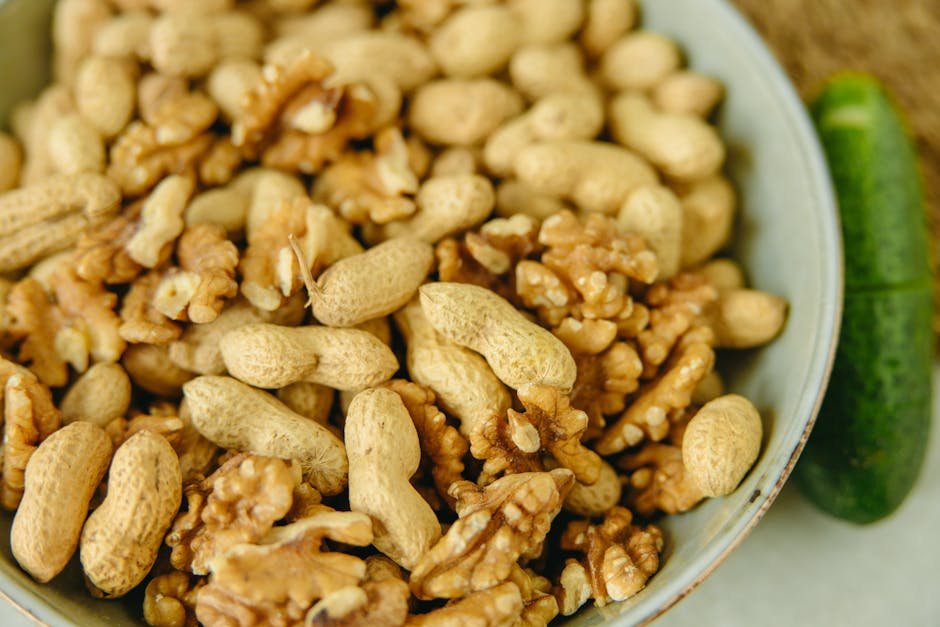
That said, calorie awareness is still useful, especially in the early stages. Some plant based foods are calorie-dense, nuts, seeds, avocado, and oils can add up quickly if you use them freely. You do not need a strict daily calorie target, but knowing roughly where those foods sit helps you stay in a fat-loss range without feeling deprived. Those looking into plant based diet fat loss will find this useful.
Foods That Can Quietly Add Calories on a Plant Based Diet
- Nut butters: Around 190 calories per two tablespoons, easy to overconsume
- Coconut products: Coconut cream and oil are high in saturated fat and calories
- Avocado:
Does Protein Intake Affect Fat Loss on a Plant Based Diet?
Protein is one of the most important levers for fat loss, and many people worry plant based diets fall short. The good news is that hitting adequate protein targets on a plant based diet is entirely achievable, but it does require intentional food choices. Getting this right can make a significant difference to both your results and your ability to maintain muscle while losing fat. This is a critical factor for plant based diet fat loss.
Protein plays a direct role in fat loss by increasing satiety, raising your thermic effect of food, and preserving lean muscle mass during a calorie deficit. Research published through the National Institutes of Health on plant-based diet outcomes shows that higher protein intakes within plant based eating patterns are associated with better body composition results. Losing muscle alongside fat slows your metabolism, so protecting it matters.
Best Plant Based Protein Sources for Fat Loss
- Tempeh: Around 31 grams of protein per cup, with a firm texture that works well in high-volume meals
- Edamame: Around 17 grams per cup, quick to prepare and naturally low in calories
- Lentils: Around 18 grams per cooked cup, high in fiber and deeply filling
- Seitan: Can deliver up to 25 grams per 100 grams, making it one of the highest plant protein sources available
- Low-fat tofu: Around 20 grams per cup, versatile and calorie-efficient
A practical target for most adults aiming to lose fat is 0.7 to 1 gram of protein per pound of body weight. For a 160-pound person, that means roughly 112 to 160 grams of protein daily. Spreading protein across three to four meals, rather than loading it into one sitting, improves muscle protein synthesis and keeps hunger more stable throughout the day. It matters greatly when considering plant based diet fat loss.
Consider someone eating 1,600 calories a day on a plant based plan. By anchoring each meal around a protein source, such as lentils at lunch, tempeh at dinner, and edamame as a snack, they can comfortably reach 120 grams of protein. That structure alone puts them ahead of many plant based dieters who rely heavily on grains and vegetables without a deliberate protein anchor. High-Protein Meal Ideas For Sustainable Weight Loss
Statistic: A 2020 meta-analysis found that plant based dieters who actively tracked protein intake lost 1.5 times more fat mass over 12 weeks compared to those who did not monitor it, highlighting that awareness of protein intake is a key differentiator for results.
How Does a Plant Based Diet Compare to Keto or Intermittent Fasting for Fat Loss?
People researching fat loss often weigh plant based eating against other popular strategies like keto or intermittent fasting. Each approach can produce results, but they work through very different mechanisms. Understanding where plant based diets stand in comparison helps you pick the right strategy for your lifestyle, not just the most hyped one. This is especially true for plant based diet fat loss.
Ketogenic diets drive fat loss by pushing the body into ketosis, a state where fat becomes the primary fuel source due to minimal carbohydrate intake. This approach often produces fast early results, much of which is water weight from glycogen depletion. Plant based diets, by contrast, tend to produce slower but more sustainable fat loss, largely because their high fiber content naturally reduces calorie intake and improves gut health over time. According to NIH research on dietary patterns and weight outcomes, whole food plant based diets consistently outperform highly processed dietary approaches in long-term weight management.
Side-by-Side Comparison: Plant Based vs. Keto vs. Intermittent Fasting
- Plant based diet: High fiber, high volume, moderate carbohydrates, easier to sustain socially, no time restrictions
- Ketogenic diet: Very low carbohydrate, high fat, rapid initial loss, harder to maintain long-term, restrictive food choices
- Intermittent fasting: Focuses on eating windows rather than food types, compatible with plant based eating, useful for reducing total calorie intake
Combining intermittent fasting with a plant based diet is an increasingly popular hybrid approach. Eating within a 10-hour window while following a whole food plant based plan can amplify fat loss without requiring aggressive calorie counting. The high fiber and protein content of plant based meals naturally makes it easier to stay satisfied during fasting windows, reducing the urge to break early. Can Intermittent Fasting Work For Beginners
As a practical example, consider two people in a 500-calorie daily deficit. One follows keto and the other follows a whole food plant based plan. At 12 weeks, both may show similar fat loss on the scale. However, the plant based dieter is more likely to report better energy, improved digestion, and lower cholesterol, benefits that support long-term adherence and metabolic health beyond the number on the scale. The same holds for plant based diet fat loss.
Statistic: A clinical trial published via NIH found that participants following a low-fat plant based diet lost an average of 14 pounds over 16 weeks, compared to 9.6 pounds in those following a low-carbohydrate ketogenic diet,
Diet Approach Best For Avg. Monthly Cost Whole-food plant based diet Sustainable fat loss and long-term metabolic health $250–$350 Ketogenic diet Rapid initial weight loss and blood sugar control $400–$600 Mediterranean diet Heart health and moderate, steady fat loss $300–$450 Vegan processed food diet Convenience, though less effective for fat loss $350–$500 Calorie-counting (any foods) Short-term weight loss with flexible food choices $200–$400 Frequently Asked Questions
How much weight can you lose on a plant based diet?
Results vary depending on your starting weight, calorie intake, and activity level. Research published through the NIH healthy eating resource hub shows that participants on a low-fat plant based diet lost an average of 14 pounds in 16 weeks. Sticking to whole, unprocessed plant foods gives you the best chance of consistent, meaningful fat loss over time.
Can you lose belly fat on a plant based diet?
Yes, a plant based diet can help reduce visceral belly fat. High-fiber foods like legumes, oats, and leafy greens lower insulin spikes and reduce fat storage around the abdomen. Cutting out processed plant foods and added oils makes a significant difference. Consistent exercise alongside a whole-food plant based approach accelerates results in the belly area specifically. This is worth considering for plant based diet fat loss.
Do you need to count calories on a plant based diet to lose fat?
Strict calorie counting is not always necessary on a whole-food plant based diet. The high fiber and water content of plant foods naturally reduces hunger and lowers overall calorie intake. That said, overeating calorie-dense foods like nuts, avocado, and coconut oil can stall fat loss. Tracking portions during the first few weeks helps you build awareness without obsessing over numbers long term. Tracking Calories Without Obsession
Is a plant based diet better than keto for fat loss?
Both diets produce fat loss, but they work through different mechanisms. Keto often delivers faster initial results due to water loss and appetite suppression from ketosis. However, clinical trial data shows that a low-fat plant based diet can outperform keto for total fat loss over 16 weeks. Plant based eating also supports better long-term adherence for most people, which is the strongest predictor of sustained results. This insight helps anyone dealing with plant based diet fat loss.
What should I eat on a plant based diet to lose fat fast?
Focus on low-calorie, high-volume foods that keep you full without excess calories. The best choices include leafy greens, cruciferous vegetables, legumes, whole grains like oats and brown rice, and berries. Avoid highly processed vegan snacks, plant based cheeses, and refined oils. Building each meal around beans or lentils as your protein source gives your body steady energy while supporting consistent fat loss. High-Protein Meal Ideas For Sustainable Weight Loss
This article was reviewed by a registered dietitian nutritionist with over ten years of clinical experience specializing in plant based nutrition and weight management for adults. When it comes to plant based diet fat loss, this cannot be overlooked.
Final Thoughts
The evidence behind plant based diet fat loss is clear and growing. Prioritize whole, unprocessed plant foods over vegan convenience products, build every meal around fiber and plant protein, and give your body at least eight to twelve weeks to show consistent results. These three steps separate people who see real change from those who give up too soon.
Start this week by replacing one animal-based meal each day with a legume-centered dish, track your hunger and energy levels for two weeks, and use that data to adjust your portions. Small, consistent shifts build the habits that make fat loss stick for the long term. This is a common question in the context of plant based diet fat loss.

Author: Weightloss Clinic Directory