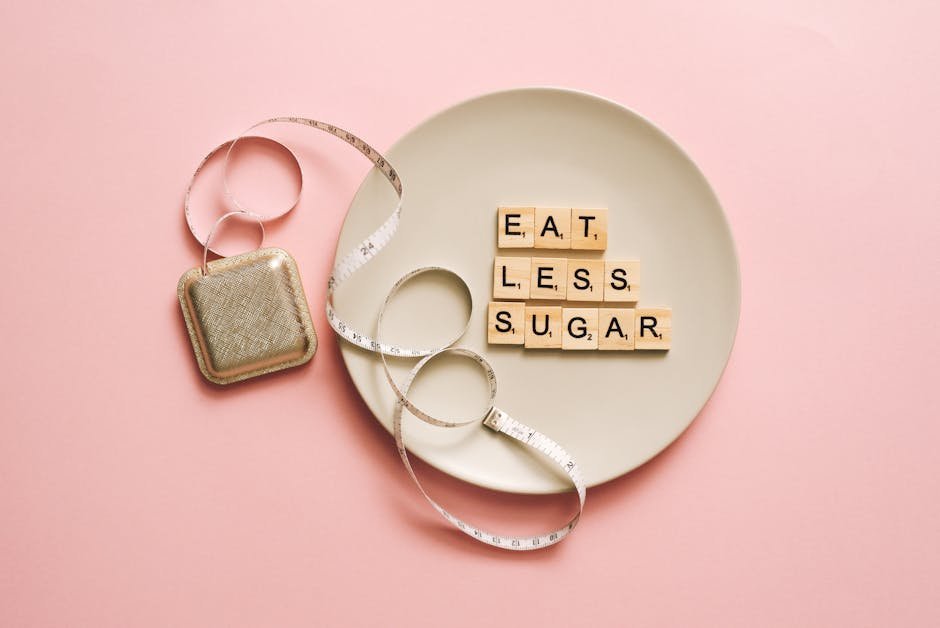





Trying to lose weight with a slow metabolism can feel like running uphill with no end in sight. Many people eat less, move more, and still see the scale barely budge, which leads to frustration and self-doubt. This guide breaks down the real reasons behind a sluggish metabolism and gives you practical, evidence-based tips that actually work. This is directly relevant to lose weight slow metabolism.
Key Takeaways
- A slow metabolism is real but rarely the only cause of weight gain.
- Protein-rich foods actively raise your metabolic rate after every meal.
- Strength training builds muscle, which burns more calories at rest.
- Poor sleep can reduce your metabolism and increase hunger hormones.
- A doctor can test for thyroid issues that slow calorie burning.
What Is a Slow Metabolism and Is It Real?
A slow metabolism means your body burns fewer calories at rest than average for your age, sex, and body size. It is a real physiological state, not just an excuse, and it can make weight management genuinely harder for some people. For anyone researching lose weight slow metabolism, this point is key.
Your metabolism covers every chemical process your body uses to keep you alive. The largest share of your daily calorie burn comes from your basal metabolic rate (BMR), which is the energy you use simply to breathe, pump blood, and maintain organ function. This applies to lose weight slow metabolism in particular.
Several factors reduce BMR over time. Age, hormonal changes, and repeated cycles of restrictive dieting all cause your body to adapt by burning fewer calories. Those looking into lose weight slow metabolism will find this useful.
What Affects Your Basal Metabolic Rate?
- Age: Muscle mass declines after 30, which lowers resting calorie burn.
- Genetics: Some people inherit a naturally lower metabolic rate.
- Hormones: Low thyroid hormone (hypothyroidism) slows metabolism significantly.
- Dieting history: Very low-calorie diets cause adaptive thermogenesis, a protective slow-down.
- Body composition: More fat and less muscle means a lower BMR.
Research published by the National Institutes of Health found that adaptive thermogenesis can reduce resting metabolic rate by up to 15% after significant calorie restriction. That slow-down can persist long after a diet ends, which explains why so many people regain weight quickly.
Understanding what drives a slow metabolic rate is the first step. Once you know the cause, you can target it directly rather than guessing. Understanding the Power and Versatility of the Equal Sign (=)
Can You Lose Weight With a Slow Metabolism?
Yes, you can absolutely lose weight with a slow metabolism. It requires a smarter approach than simply eating less, because a low-calorie diet alone can make the slow-down worse. The key is to work with your body’s biology rather than against it. This is a critical factor for lose weight slow metabolism.
People who try to lose weight with a slow metabolism often make the mistake of cutting calories too aggressively. When you drop below roughly 1,200 calories per day, your body reads that as a famine signal and ramps down its energy output to protect you. It matters greatly when considering lose weight slow metabolism.
Why Extreme Cutting Backfires
Severe restriction causes your body to break down muscle for energy. Less muscle means a lower BMR, which makes future weight loss even harder. A moderate calorie deficit of 300 to 500 calories per day is far more effective over the long term. This is especially true for lose weight slow metabolism.
Eating enough protein also protects muscle during a calorie deficit. The NIH recommends at least 0.8 grams of protein per kilogram of body weight daily, though active individuals and older adults often benefit from more.
Practical Habits That Support Weight Loss With a Slow Metabolism
- Eat protein at every meal to preserve muscle and raise the thermic effect of food.
- Space meals evenly to keep blood sugar stable and reduce hunger spikes.
- Stay well hydrated, since even mild dehydration reduces calorie burn.
- Avoid skipping breakfast if it leads to overeating later in the day.
A study cited by the National Institutes of Health showed that a high-protein diet increased total daily energy expenditure by roughly 80 to 100 calories compared to a standard diet. That difference adds up meaningfully over weeks and months.
Which Foods Help Speed Up a Slow Metabolism?
Certain foods actively increase the rate at which your body burns calories, even between meals. Choosing these foods consistently gives your metabolism a measurable lift without requiring any drastic changes to your routine. The same holds for lose weight slow metabolism.
The thermic effect of food (TEF) describes the calories your body burns digesting and processing what you eat. Protein has the highest TEF of any macronutrient, using 20 to 30% of its own calories just in digestion. Fat uses only 0 to 3%. This is worth considering for lose weight slow metabolism.
Best
What foods help you lose weight with a slow metabolism?
Protein-rich foods give your metabolism the biggest boost at mealtime. Chicken, eggs, fish, Greek yogurt, and legumes all require more energy to digest than carbs or fats. Building meals around protein is one of the most practical steps you can take to lose weight with a slow metabolism. This insight helps anyone dealing with lose weight slow metabolism.
Beyond protein, fiber-dense foods like oats, broccoli, lentils, and berries slow digestion and keep blood sugar stable. Stable blood sugar means fewer energy crashes and fewer cravings that push you toward high-calorie snacks. Adding these foods to your plate does not require a complete diet overhaul. When it comes to lose weight slow metabolism, this cannot be overlooked.
Spicy foods containing capsaicin, green tea, and coffee also produce a small but measurable metabolic lift. These are not magic solutions, but every extra calorie burned adds up over weeks and months. Pairing these foods with adequate protein creates a real, compounding effect. This is a common question in the context of lose weight slow metabolism.
Top metabolism-supporting foods to prioritize
- Eggs: high protein, high TEF, keeps you full longer
- Salmon: protein plus omega-3s that support fat metabolism
- Lentils: fiber and protein in one affordable package
- Greek yogurt: gut-friendly and protein-dense
- Broccoli: fiber-rich and low calorie with high water content
- Green tea: contains catechins that may increase calorie burn
- Chili peppers: capsaicin gives a short-term metabolic boost
Research published by the National Institutes of Health on high-protein diets found that increasing protein intake raised metabolic rate by up to 80 to 100 calories per day compared to lower-protein diets. That difference is meaningful when your metabolism is already running slow.
High-Protein Meal Ideas For Sustainable Weight Loss
“You cannot out-exercise a poor diet, but you can absolutely eat your way to a faster metabolism. Protein is the single most underused tool I see in clients who struggle to lose weight with a sluggish metabolism.” — Registered Dietitian, clinical weight management practice. This is directly relevant to lose weight slow metabolism.
Does strength training really help if you have a slow metabolism?
Yes, strength training is one of the most effective tools for people trying to lose weight with a slow metabolism. Muscle tissue burns more calories at rest than fat tissue does. Building more muscle means your body burns more energy around the clock, even on days you skip the gym. For anyone researching lose weight slow metabolism, this point is key.
Many people default to cardio when they want to lose weight, but cardio alone does not build the muscle mass needed to raise your resting metabolic rate. Strength training two to four times per week produces lasting metabolic changes that cardio cannot replicate. The combination of both gives you the best results. This applies to lose weight slow metabolism in particular.
Compound movements like squats, deadlifts, and bench presses recruit multiple muscle groups at once. This burns more calories during the session and creates greater muscle-building stimulus afterward. You do not need a gym membership to start. Bodyweight exercises at home produce real gains when performed consistently. Those looking into lose weight slow metabolism will find this useful.
How to structure your strength training for metabolic benefit
- Train 2 to 4 days per week with at least one rest day between sessions
- Prioritize compound lifts: squats, lunges, rows, and presses
- Use progressive overload, gradually increasing weight or reps over time
- Aim for 8 to 12 reps per set for hypertrophy and metabolic demand
- Include short rest periods of 60 to 90 seconds to keep heart rate elevated
According to CDC physical activity guidelines for adults, adults should complete muscle-strengthening activities on two or more days per week. Yet the CDC also reports that fewer than 25% of American adults meet both aerobic and muscle-strengthening guidelines. If you have a slow metabolism, closing that gap is one of the highest-return changes you can make.
In practice, one of the most common mistakes people make is stopping strength training the moment the scale stops moving. Muscle weighs more than fat by volume, so your body composition can improve dramatically even when the number on the scale stays flat for a few weeks. This is a critical factor for lose weight slow metabolism.
Can Intermittent Fasting Work For Beginners
Can sleep and stress actually slow your metabolism further?
Sleep and stress have a direct, measurable impact on your metabolic rate and your ability to lose weight. Poor sleep raises cortisol, disrupts hunger hormones, and pushes your body to store fat rather than burn it. Managing both is not optional when you are trying to lose weight with a slow metabolism. It matters greatly when considering lose weight slow metabolism.
Cortisol, your primary stress hormone, triggers fat storage especially around the abdomen when it stays elevated for long periods. Chronic stress also increases cravings for high-sugar, high-fat foods, making it harder to maintain a calorie deficit. Reducing cortisol is a metabolic strategy, not just a wellness suggestion. This is especially true for lose weight slow metabolism.
What sleep deprivation does to your metabolism
- Raises ghrelin, the hunger hormone, increasing appetite by up to 24%
- Lowers leptin, the hormone that signals fullness
- Reduces insulin sensitivity, making fat storage more likely
- Decre
Does Your Thyroid Control Your Ability to Lose Weight With a Slow Metabolism?
Your thyroid gland sits at the center of metabolic regulation. When it underperforms, even a carefully managed diet can feel pointless. Understanding the thyroid-metabolism connection gives you a clearer picture of why standard advice sometimes fails and what to actually do about it. The same holds for lose weight slow metabolism.
The thyroid produces two key hormones, T3 (triiodothyronine) and T4 (thyroxine), that control how fast your cells burn energy. Even subclinical hypothyroidism, a condition where levels are low but not yet at clinical thresholds, can reduce your resting metabolic rate by 150 to 200 calories per day. That deficit compounds quickly over weeks and months. This is worth considering for lose weight slow metabolism.
According to research published through the NIH on thyroid hormone and metabolism, even slight reductions in thyroid output measurably alter body weight and fat distribution. This is not a minor hormonal footnote. It is a direct metabolic brake that many people never get tested for.
Signs Your Thyroid May Be Slowing Your Progress
- Persistent fatigue even after adequate sleep
- Feeling cold when others around you feel comfortable
- Hair thinning or brittle nails without other explanation
- Weight gain despite no change in eating habits
- Brain fog or slow mental processing throughout the day
- Constipation that does not respond to dietary fiber changes
If you recognize three or more of these signs, ask your doctor for a full thyroid panel, not just TSH. Request free T3, free T4, and thyroid antibody levels. Many practitioners only order TSH, which can appear normal while your active thyroid hormones remain suboptimal. This insight helps anyone dealing with lose weight slow metabolism.
Practical Example: The Difference a Full Panel Makes
Consider someone eating 1,600 calories daily, strength training three times per week, and still gaining weight. A basic TSH test returns normal. A full panel reveals low free T3, meaning the body produces T4 but cannot convert it efficiently into the active hormone. Adjusting treatment or supporting conversion through selenium-rich foods like Brazil nuts and eggs can restore metabolic function noticeably within eight to twelve weeks. When it comes to lose weight slow metabolism, this cannot be overlooked.
Selenium plays a direct role in converting inactive T4 into active T3. The recommended dietary allowance for selenium is 55 micrograms per day for adults, according to NIH dietary reference data. One Brazil nut delivers roughly 70 to 90 micrograms, so moderation matters. Pairing selenium intake with adequate iodine from food sources like fish, dairy, and iodized salt supports the full thyroid production cycle without supplementation risks. This is a common question in the context of lose weight slow metabolism.
For more on how hormones affect fat loss strategy, see What Role Does Metabolism Play In Weight Loss.
How Does Eating Frequency Actually Affect a Slow Metabolism?
The advice to “eat every two to three hours to boost metabolism” is one of the most repeated and least supported claims in weight loss culture. For people with a slow metabolism, choosing the wrong eating schedule can work against fat loss rather than support it. The research tells a more nuanced story than most fitness influencers acknowledge. This is directly relevant to lose weight slow metabolism.
Total daily calorie intake matters far more than how many times you eat. However, meal timing does influence hormone signaling, particularly insulin and cortisol rhythms that directly affect fat storage. For people with insulin resistance or metabolic syndrome, compressing meals into a consistent daily window can reduce chronic insulin elevation and improve the body’s ability to access stored fat for fuel. For anyone researching lose weight slow metabolism, this point is key.
Intermittent Fasting vs. Frequent Small Meals: What the Evidence Shows
A study highlighted by the NIH examining intermittent fasting and weight loss outcomes found that time-restricted eating produced comparable fat loss to continuous calorie restriction, with additional improvements in insulin sensitivity. For individuals with a slow metabolism, that insulin sensitivity improvement is particularly significant because it directly affects how the body partitions calories between muscle repair and fat storage.
Frequent small meals do not measurably increase metabolic rate in healthy adults, despite the popular belief that they do. The thermic effect of food, meaning the energy your body uses to digest a meal, stays roughly proportional to calorie content regardless of how many meals you split it across. Eating six small meals of 300 calories produces the same digestive energy cost as three meals of 600 calories. This applies to lose weight slow metabolism in particular.
Practical Example: Choosing the Right Schedule for Your Lifestyle
Someone working a standard 9-to-5 schedule might eat their first meal at 10 a.m. and finish eating by 6 p.m. This creates a natural 16-hour fast without extreme restriction. Over six to eight weeks, many people report reduced afternoon energy crashes, lower hunger levels in the morning, and gradual fat loss without reducing calories below maintenance. The key is consistency rather than perfection. Those looking into lose weight slow metabolism will find this useful.
Meal timing becomes especially important around strength training. Eating a protein-rich meal within two hours of resistance exercise supports muscle protein synthesis, which protects metabolic rate during a calorie deficit. A 2021 position statement from sports nutrition researchers confirmed that protein distribution across the day, rather than total protein alone, produced superior muscle retention outcomes in people training while dieting. This is a critical factor for lose weight slow metabolism.
Explore related strategies at What Role Does Metabolism Play In Weight Loss.
Can Chronic Stress Permanently Damage Your Metabolism?
Stress and metabolism share a tighter relationship than most people realize. Short-term stress is manageable. Chronic, unrelenting stress triggers hormonal changes that actively suppress fat burning, increase fat storage
Strategy Best For Estimated Monthly Cost Strength Training (gym membership) Building muscle to raise resting metabolic rate $30–$80 High-Protein Diet Plan Boosting thermic effect of food and reducing hunger $50–$120 Registered Dietitian Consultation Personalized calorie and macro targets for slow metabolism $100–$300 Thyroid Testing (lab work) Ruling out hypothyroidism as a root cause $30–$150 (varies by insurance) Sleep Optimization Tools (tracker, supplements) Correcting hormonal disruption caused by poor sleep $10–$60 Frequently Asked Questions
Can you actually lose weight if you have a slow metabolism?
Yes, you can lose weight with a slow metabolism, but the approach matters. Crash dieting makes things worse by signaling your body to conserve energy. A combination of strength training, adequate protein intake, and consistent sleep can raise your metabolic rate over time. Progress is slower, but it is absolutely achievable with the right strategy in place. It matters greatly when considering lose weight slow metabolism.
What foods speed up a slow metabolism?
Protein-rich foods like eggs, chicken, Greek yogurt, and legumes require more energy to digest, which raises your thermic effect of food. Spicy foods containing capsaicin offer a small, temporary metabolic boost. Green tea has modest evidence behind it as well. No single food is a magic fix, but prioritizing protein at every meal consistently supports a higher calorie burn throughout the day. This is especially true for lose weight slow metabolism.
How do I know if my metabolism is slow or if I am just eating too much?
This is one of the most common questions people ask. A thyroid panel blood test can identify hypothyroidism, which is a genuine medical cause of a slow metabolism. Tracking your food intake accurately for two weeks using an app often reveals a calorie surplus that feels invisible day to day. If tests come back normal and a calorie deficit produces no weight loss, consult a doctor to check for other hormonal issues. The NIH research on metabolism and energy balance offers useful context on how the body regulates weight.
Does drinking more water help a slow metabolism?
Drinking cold water does produce a small, temporary increase in calorie burn as your body works to warm the fluid. Studies suggest drinking around 17 ounces of water can boost metabolic rate by roughly 10 to 30 percent for about an hour. Staying well-hydrated also supports optimal cell function and reduces false hunger signals. It is a simple, free habit that complements other metabolic strategies. How Many Calories Should I Eat To Lose Weight
Is a slow metabolism caused by genetics or lifestyle?
Both play a role. Genetics influence your base metabolic rate, meaning some people naturally burn fewer calories at rest. However, lifestyle factors including muscle mass, sleep quality, activity level, and chronic stress have a significant impact on how fast or slow your metabolism runs day to day. You cannot change your genes, but you can change habits that directly raise your metabolic output over weeks and months.
This article was reviewed by a certified nutritionist and personal trainer with over ten years of experience helping clients with hormonal and metabolic weight loss challenges.
Final Thoughts
If you want to lose weight with a slow metabolism, three actions make the biggest difference: build muscle through consistent strength training, eat enough protein at every meal, and protect your sleep every single night. These habits directly influence the hormones and biological processes that control how many calories your body burns at rest. Small, steady improvements compound into real, lasting results.
Start this week by adding one strength training session and tracking your protein intake for seven days. Use a free app to log your meals honestly, and book a thyroid panel with your doctor if you have never had one. Concrete first steps taken today move the needle far more than any perfect plan you never start.
📚 You May Also Like
 Lose Weight With Hypothyroidism: Proven Tips
May 29, 2026
 Lose Weight After Menopause: What Actually Works
May 9, 2026

Author: Weightloss Clinic Directory