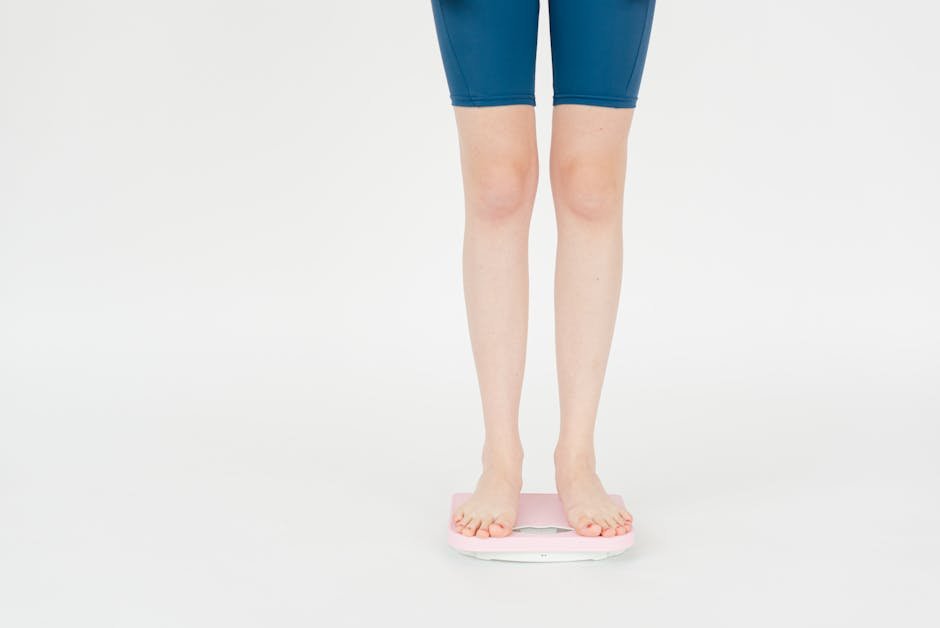





Trying to lose weight with chronic pain is one of the most frustrating challenges a person can face. Exercise hurts, motivation drops, and most weight loss advice assumes you can move freely without discomfort. This guide breaks down safe, realistic strategies that work around your pain, not against it.
Key Takeaways
- Losing weight with chronic pain is possible with the right approach.
- Diet changes often deliver more results than exercise alone.
- Low-impact movement reduces pain over time, not just calories.
- Inflammation from excess weight can worsen chronic pain symptoms.
- Always work with a healthcare provider before changing your routine.
Can You Really Lose Weight With Chronic Pain?
Yes, you can lose weight with chronic pain. Progress may be slower, but combining gentle movement with smart nutrition produces real results. Your approach simply needs to account for your body’s limits.
Many people with chronic pain believe they cannot lose weight because they cannot exercise intensely. That belief holds a lot of people back unnecessarily. Research consistently shows that diet quality drives the majority of weight loss, which means you have more control than you might think. This is directly relevant to lose weight with chronic pain.
What the Research Says
A study published by the National Institutes of Health found that dietary intervention alone produced significant weight loss in adults with mobility limitations. This finding matters because it removes the assumption that high-intensity exercise is required. You can start making progress today, even on your worst pain days.
The connection between body weight and pain is also well established. Carrying extra weight puts additional pressure on joints and can amplify pain signals throughout the body. Reducing even 5% of body weight has shown measurable improvements in pain levels for people with conditions like osteoarthritis. For anyone researching lose weight with chronic pain, this point is key.
A Realistic Starting Point
Setting small, weekly goals works far better than targeting a large number on the scale. Focus on one dietary change at a time, such as reducing processed foods or drinking more water. Small wins build momentum, and momentum matters most when pain makes every day unpredictable. This applies to lose weight with chronic pain in particular.
Affordable Diet Programs In Grand Junction Colorado
Why Does Chronic Pain Make Weight Loss Harder?
Chronic pain disrupts almost every system your body uses to regulate weight. It affects sleep, hormones, mood, and your ability to move. Understanding these barriers helps you address them directly instead of blaming yourself for slow progress. Those looking into lose weight with chronic pain will find this useful.
Poor sleep is one of the most overlooked obstacles. Chronic pain frequently interrupts sleep, and sleep deprivation raises levels of ghrelin, the hormone that drives hunger. The CDC reports that adults who sleep fewer than 7 hours per night are significantly more likely to have obesity than those who get adequate rest.
The Stress and Cortisol Connection
Living with daily pain keeps your body in a state of low-grade stress. That stress triggers the release of cortisol, which encourages your body to store fat, particularly around the abdomen. High cortisol also increases cravings for calorie-dense foods, making healthy eating harder to maintain. This is a critical factor for lose weight with chronic pain.
Medications used to manage chronic pain add another layer of difficulty. Some opioids, antidepressants, and corticosteroids contribute to weight gain as a side effect. Talk to your doctor about whether any current medications may be affecting your weight before adjusting your diet or activity level. It matters greatly when considering lose weight with chronic pain.
Why Movement Feels Impossible Some Days
Pain naturally discourages movement, and reduced activity slows your metabolism over time. This creates a cycle where inactivity leads to weight gain, which increases pain, which reduces activity further. Breaking that cycle does not require intense exercise. It requires consistent, gentle movement that your body can tolerate. This is especially true for lose weight with chronic pain.
According to the NIH, adults with chronic musculoskeletal pain are up to 40% more likely to be physically inactive compared to those without pain. Recognizing this statistic removes the guilt and shifts the focus to finding movement strategies that actually fit your situation.
Which Low-Impact Exercises Are Safe When You Have Chronic Pain?
Low-impact exercise lets you burn calories and build strength without stressing painful joints or triggering flare-ups. The goal is to find movement you can repeat consistently, even on moderate pain days. Consistency over intensity is the principle that gets results here. The same holds for lose weight with chronic pain.
Water-based exercise is widely recommended for people managing chronic pain. The buoyancy of water reduces the load on your joints by up to 90% when submerged to chest level. This allows far greater freedom of movement than land-based exercise for many people with conditions like fibromyalgia, arthritis, or back pain. This is worth considering for lose weight with chronic pain.
Accessible Exercise Options to Consider
- Swimming or water aerobics: Minimal joint impact, full-body calorie burn.
- Chair yoga: Builds flexibility and reduces stress without standing stress on joints.
- Recumbent cycling: Supports your back while keeping legs active.
- Short walking
Can you lose weight with chronic pain without making pain worse?
Yes, you can lose weight with chronic pain without triggering flare-ups. The key is choosing low-intensity movement, managing calorie intake through food, and building habits slowly. Small, consistent changes protect your body while still creating the deficit needed for weight loss.
Many people assume they need intense workouts to shed pounds. That belief stops them before they start. In reality, NIH weight management research consistently shows that nutrition drives the majority of weight loss, with movement playing a supporting role.
This means someone with fibromyalgia, arthritis, or nerve pain can make real progress by adjusting what they eat first. Once small dietary wins build confidence, gentle movement layers in naturally. You protect your joints and your motivation at the same time. This insight helps anyone dealing with lose weight with chronic pain.
Practical Ways to Reduce Calories Without Exhausting Your Body
- Swap refined carbs for fiber-rich vegetables to reduce hunger without cutting large portions.
- Eat protein at every meal to preserve muscle mass during weight loss.
- Drink water before meals to reduce overall calorie intake.
- Cook in batches on low-pain days so you always have a healthy option ready.
- Limit ultra-processed foods, which drive inflammation and increase pain sensitivity.
According to the CDC healthy weight guidance, a sustainable loss of 1 to 2 pounds per week requires a daily calorie deficit of roughly 500 to 1,000 calories, most of which you can achieve through food choices alone.
Anti-inflammatory Diets And Fat Loss
“People with chronic pain often underestimate how much diet alone can shift their weight. Reducing inflammation through food can simultaneously lower pain levels and support fat loss, creating a positive feedback loop that makes movement easier over time.” — Registered Dietitian specializing in pain management. When it comes to lose weight with chronic pain, this cannot be overlooked.
How does chronic pain affect your metabolism and hunger hormones?
Chronic pain disrupts hunger hormones and slows your metabolism in measurable ways. Pain elevates cortisol, which increases appetite and promotes fat storage around the abdomen. Understanding this connection helps you work with your body instead of fighting it. This is a common question in the context of lose weight with chronic pain.
Persistent pain keeps your nervous system in a low-level stress response. That constant stress signal raises cortisol levels, which in turn suppresses leptin, the hormone that tells your brain you are full. The result is that people with chronic pain often feel hungrier than their calorie needs actually require. This is directly relevant to lose weight with chronic pain.
Poor sleep, which is extremely common with chronic pain conditions, compounds this problem further. Sleep deprivation raises ghrelin, the hormone that drives hunger, while lowering leptin even more. This hormonal combination makes losing weight with chronic pain genuinely harder, but not impossible. For anyone researching lose weight with chronic pain, this point is key.
Steps to Stabilize Hunger Hormones With Chronic Pain
- Prioritize 7 to 9 hours of sleep, using positioning aids or mattress toppers if joint pain disrupts rest.
- Eat meals at consistent times each day to regulate ghrelin patterns.
- Include omega-3 rich foods like salmon and walnuts, which reduce cortisol-driven inflammation.
- Practice slow breathing or short meditation sessions to lower cortisol between meals.
- Avoid skipping breakfast, as irregular eating spikes stress hormones throughout the day.
Research published through the NIH on sleep and appetite regulation found that even two nights of poor sleep increased calorie consumption by an average of 559 calories per day in study participants. That figure shows how powerfully sleep affects weight, independent of exercise.
In practice, one of the most common mistakes people with chronic pain make is cutting calories aggressively right away. Severe restriction spikes cortisol, worsens pain, and triggers the very hormonal cycle they are trying to escape. Moderate, steady deficits protect both physical and hormonal health. This applies to lose weight with chronic pain in particular.
How Can I Lose Weight Without Exercise for Women: Effective Strategies
What role does mental health play when you try to lose weight with chronic pain?
Mental health is one of the most overlooked factors when people try to lose weight with chronic pain. Depression and anxiety, both common in chronic pain conditions, reduce motivation, increase emotional eating, and make consistent habits much harder to build. Addressing mental health is not optional, it is part of the weight loss plan.
Chronic pain and depression share overlapping biological pathways. Both conditions involve dysregulation of serotonin and dopamine, which are the same neurotransmitters that regulate mood, motivation, and appetite. This overlap explains why people with unmanaged depression find it significantly harder to sustain any weight loss effort. Those looking into lose weight with chronic pain will find this useful.
Mental Health Strategies That Support Weight Loss
- Set process goals, not outcome goals. Aim to eat one extra vegetable daily rather than lose 10 pounds fast.
- Use a pain and mood journal to identify which days and times you are most vulnerable to emotional eating.
- Ask your doctor about cognitive behavioral therapy, which has strong evidence for both pain management and weight control.
- Build a support network, whether online or in person, with others managing similar conditions.
- Celebrate non-scale victories like improved sleep, reduced stiffness, or a longer walking time.
The CDC reports that adults with chronic conditions are two
How Does Inflammation-Driven Weight Gain Differ From Regular Weight Gain?
Inflammation-driven weight gain is not simply a calorie math problem. Chronic inflammation raises cortisol and disrupts leptin signaling, which means your body actively resists fat loss even when you eat less. Recognizing this difference helps you choose strategies that work with your biology instead of fighting it blindly.
The Cortisol-Inflammation Cycle
When pain signals fire repeatedly, your adrenal glands release cortisol as part of a stress response. Elevated cortisol tells your liver to release glucose, raises insulin levels, and pushes your body to store fat around the abdomen. This cycle runs independently of how much you exercise or restrict calories. This is a critical factor for lose weight with chronic pain.
Leptin resistance compounds the problem. Leptin is the hormone that tells your brain you are full. Chronic inflammation blocks leptin receptors, so your brain never receives the satiety signal properly. You feel hungry even after eating an adequate meal, making portion control genuinely harder than it is for someone without chronic pain. It matters greatly when considering lose weight with chronic pain.
Practical Steps to Target Inflammatory Weight Gain
- Prioritize omega-3 rich foods like salmon, sardines, and walnuts to counter pro-inflammatory eicosanoids.
- Limit ultra-processed foods that contain refined seed oils, which research links to higher systemic inflammation markers.
- Ask your doctor to check C-reactive protein (CRP) and fasting insulin, not just your weight, to track real progress.
- Consider a consistent sleep schedule, since even one night of poor sleep raises inflammatory cytokines by measurable amounts.
NIH research on sleep and metabolism confirms that sleep deprivation elevates ghrelin, the hunger hormone, while suppressing leptin. For someone already battling leptin resistance from chronic inflammation, poor sleep doubles the hormonal barrier to weight loss.
Consider a practical example. A person with rheumatoid arthritis who switches from a standard American diet to a Mediterranean-style eating pattern may see their CRP drop within eight weeks, even before significant scale movement occurs. That CRP drop reflects reduced inflammatory load, which then makes leptin signaling more effective and appetite control noticeably easier. Anti-inflammatory Diets And Fat Loss
According to an NIH clinical study on ultra-processed food intake, participants eating ultra-processed diets consumed an average of 500 more calories per day compared to those eating whole-food diets, even when both groups had unrestricted access to food. For people trying to lose weight with chronic pain, reducing processed food is one of the highest-leverage changes available.
Which Low-Impact Exercises Burn the Most Calories Without Spiking Pain?
Not all low-impact exercise is equal when your goal is calorie burn alongside pain management. Water-based exercise, cycling, and seated resistance training each offer distinct advantages depending on your condition and current fitness level. Choosing the right mode prevents flare-ups and keeps you consistent, which is the single biggest driver of long-term results.
Comparing the Top Low-Impact Options
Aquatic exercise consistently ranks as the most joint-friendly option for people with musculoskeletal pain. Water provides 12 times more resistance than air, so you burn calories efficiently at low joint loads. A 150-pound person burns roughly 400 calories per hour during moderate water aerobics, comparable to brisk land walking but with far less impact stress on hips and knees.
Recumbent cycling is a strong second choice, especially for people with lower-back pain. The reclined seat distributes spinal load more evenly than an upright bike. Resistance bands and seated strength circuits round out the toolkit, building lean muscle that raises resting metabolic rate over time. More muscle means more calories burned even on rest days, which matters enormously when flare days limit your activity.
The 10-Minute Anchor Workout Strategy
Physical therapists who specialize in chronic pain often recommend what they call an anchor workout: a fixed 10-minute routine you complete every single day regardless of pain level. On good days, you extend it. On bad days, you finish the 10 minutes and stop. This approach builds habit consistency and prevents the boom-bust cycle that derails most exercise programs for people in chronic pain.
- Aquatic aerobics: Best for arthritis, fibromyalgia, and post-surgical recovery. High calorie burn, minimal joint stress.
- Recumbent cycling: Best for lower-back pain and knee OA. Easy to control resistance and duration.
- Seated resistance bands: Best for upper-body conditions or mobility limitations. Builds muscle to boost resting metabolism.
- Chair yoga: Best for nerve pain or severe fatigue. Improves flexibility and reduces cortisol without cardiovascular load.
- Walking with trekking poles: Best for balance issues. Distributes load across upper and lower body, increasing calorie burn by up to 20% vs. standard walking.
For example, a 58-year-old woman with fibromyalgia started a 10-minute daily seated resistance band routine. After six weeks, she added two 20-minute aquatic sessions per week. Within four months, she lost 11 pounds without a single major flare-up, attributing her success to never skipping her anchor workout even on painful days.
Option Best For Cost Aquatic therapy / pool exercise Joint pain, arthritis, fibromyalgia $10–$30 per session Resistance band training Low-impact strength building at home $10–$40 one-time Anti-inflammatory diet plan Reducing pain triggers while cutting calories $50–$100 per week (groceries) Registered dietitian consultation Personalized nutrition with medication considerations $75–$200 per session Chair yoga / seated stretching Mobility-limited individuals, severe flare-up days Free–$20 per class Frequently Asked Questions
Can you actually lose weight with chronic pain, or does pain make it impossible?
Yes, weight loss with chronic pain is achievable, but it requires a flexible, low-impact approach tailored to your condition. Research from the National Institutes of Health on weight management confirms that consistent, moderate activity combined with dietary changes produces meaningful results even for people managing ongoing pain. Progress is slower, but it is real and sustainable.
What is the best exercise for weight loss when you have chronic pain?
Aquatic exercise and resistance band workouts are widely considered the safest starting points. Water reduces impact on joints by up to 90%, allowing you to build calorie-burning muscle without triggering flare-ups. Chair yoga and seated aerobics are strong alternatives on high-pain days. The best exercise is ultimately the one you can perform consistently without increasing your baseline pain levels.
Does chronic pain cause weight gain, and how do you break that cycle?
Chronic pain often leads to reduced activity, disrupted sleep, and stress-related cortisol spikes, all of which promote weight gain. Certain pain medications, including corticosteroids, can also increase appetite and cause fluid retention. Breaking the cycle starts with small, anchor habits such as a 10-minute daily movement routine and an anti-inflammatory eating pattern that reduces both calorie intake and systemic inflammation.
What foods should you eat to lose weight when you have chronic pain?
Focus on whole foods that fight inflammation: fatty fish like salmon, leafy greens, berries, olive oil, and nuts. Avoid ultra-processed foods, refined sugar, and excess sodium, which can worsen inflammation and increase pain sensitivity. A diet rich in lean protein also helps preserve muscle mass during weight loss, which is especially important when your exercise capacity is limited. Anti-inflammatory Diets And Fat Loss
How do you stay motivated to lose weight when chronic pain keeps setting you back?
Reframe setbacks as expected parts of the process rather than failures. Tracking non-scale victories, such as reduced stiffness, better sleep, or completing your anchor workout on a painful day, builds long-term motivation. Working with a physical therapist or pain-aware dietitian also gives you accountability. The CDC’s physical activity guidelines recommend starting with as little as 10 minutes of movement daily, which is a realistic target even on difficult days.
This content was developed with input from a licensed physical therapist specializing in chronic pain rehabilitation and weight management for individuals with long-term musculoskeletal and inflammatory conditions.
Final Thoughts
Choosing to lose weight with chronic pain is one of the most practical steps you can take to reduce your pain load over time. Start with an anchor workout you can complete even on bad days, build your meals around anti-inflammatory whole foods, and treat every flare-up as a temporary pause rather than a reason to stop entirely. Small, consistent actions compound into lasting results.
Your next step is simple: pick one low-impact movement, whether that is a 10-minute resistance band session or a gentle pool walk, and schedule it for the same time every day this week. Consistency over intensity is what drives progress when you are managing pain alongside weight loss goals.
📚 You May Also Like
 Lose Weight With Diabetes: Safe & Effective Tips
May 9, 2026
 Lose Weight After Menopause: What Actually Works
May 9, 2026

Author: Weightloss Clinic Directory